





The Golden Age of the Family Altar
For decades, television was a communal act. From the 1950s through the early 1990s, the landscape was dominated by a few broadcast networks that held immense power. Their fall schedule wasn't just a programming grid; it was a cultural event, meticulously
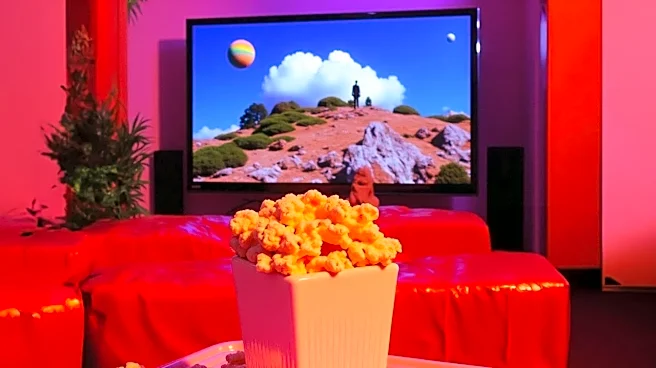
planned to capture the nation's attention as families gathered after dinner. Shows like "I Love Lucy" and, later, the finales of series like "MAS*H" or "Cheers" were national moments, discussed at offices, schools, and grocery stores the next day. This was true appointment television. You were there at 8 p.m. on Thursday, or you missed it. The family living room was a secular church, the television its altar, and the networks delivered the sermon. Your viewing choices were limited to what was being broadcast, creating a powerful, unifying force in American culture.
The First Crack: The VCR and Time-Shifting
The first true revolution in viewing habits arrived in the form of the VCR. First introduced for home use in the 1970s and becoming a household staple by the '80s, the video cassette recorder was a game-changer. For the first time, viewers were partially liberated from the networks' rigid schedules. The concept of "time-shifting" was born; you could record a show and watch it at your convenience. This simple act was a profound power shift. It also introduced the ability to fast-forward through commercials, a feature that sent shivers down Madison Avenue's spine. While predictions of the immediate collapse of network TV were premature, the VCR planted the first seed of personalization. It transformed viewing from a purely passive experience into an interactive one, where viewers could begin to curate their own entertainment.
The DVR Revolution and the Season Pass
If the VCR was a crack in the dam, the Digital Video Recorder (DVR), popularized by TiVo in 1999, was a sledgehammer. The DVR refined the VCR's promise into a seamless experience. No more clumsy tapes or blinking "12:00". Suddenly, you could pause and rewind live TV—a feature that felt like magic. But TiVo's true genius was the "Season Pass," which would automatically record every new episode of a selected show. This innovation was crucial. It didn't just let you watch a show later; it started building a queue for you. It was a curated list of your favorites, waiting for you whenever you were ready. The verb "to TiVo" entered the lexicon, signifying a new level of control. The device was so influential that cable and satellite companies quickly began incorporating DVR functionality into their own set-top boxes, making the technology ubiquitous.
The Streaming Deluge and the Binge
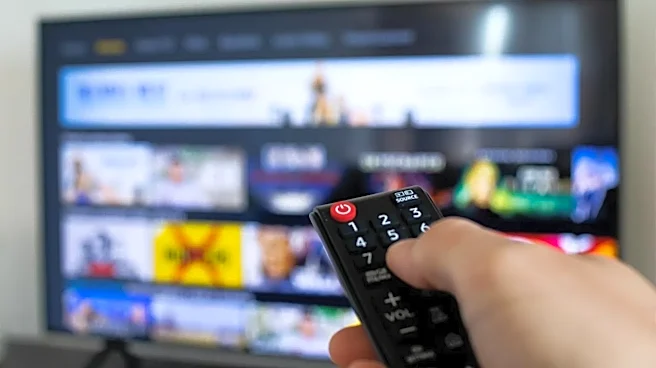
The final transformation came with high-speed internet and the rise of streaming services. Netflix, once a company that mailed you DVDs, pivoted to on-demand streaming, and the world changed with it. The very concept of a "fall season" began to feel antiquated. Why wait weekly for a new episode when an entire season of "House of Cards" or "Stranger Things" could be dropped at once? This gave rise to a new cultural phenomenon: the binge-watch. Viewers now consume multiple episodes in a single sitting, immersing themselves completely in a show's narrative. The power has fully shifted from the broadcaster to the viewer. Our entertainment is no longer a shared, scheduled event but a vast, ever-growing library accessible 24/7. Younger generations, in particular, have abandoned traditional broadcast viewing in droves.
From Water Cooler to Spoiler Alert
This evolution from a single family TV to millions of personal queues has had profound social consequences. The shared cultural conversation of the past has been replaced by fragmented, niche fandoms. While binge-watching can create intense bonds among those watching the same show, it also creates social silos. The national "water cooler" conversation has been replaced by a minefield of "spoiler alerts." We’ve gained incredible choice and convenience, but perhaps we've lost a shared cultural rhythm. The lonely glow of a phone screen on the couch has, for many, replaced the communal experience of a family gathered in the living room, all watching the same story unfold at the same time. We are all masters of our own entertainment universes, but we may be watching them alone.