



From Scandal to Statement
The story of wide-leg trousers is a story of female rebellion. For much of Western history, pants on women were considered improper, even illegal. Their arrival in mainstream fashion during the 1920s and '30s was a quiet revolution. Led by pioneering
style icons like Coco Chanel, Marlene Dietrich, and Katharine Hepburn, the first iterations appeared as luxurious “beach pajamas” or lounge sets. These garments were more than just resort wear; they were a bold claim for comfort and freedom in a world dominated by restrictive skirts and corsets. Actresses like Hepburn, known for her confident, androgynous style, helped cement trousers as a symbol of modernity and daring. During World War II, practicality cemented their place as women entered the workforce in unprecedented numbers, making trousers a necessity rather than just a fashion choice.
An Architectural Feat of Flattery
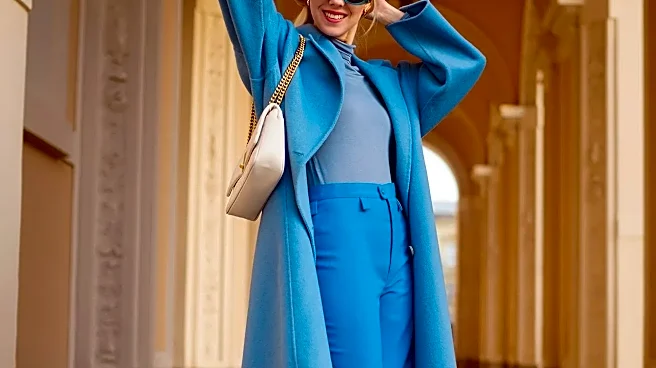
Beyond their rebellious roots, wide-leg trousers persist because of their universally flattering design. The silhouette works like an architectural illusion. A high waist combined with a leg that flows straight down from the hip creates an elongated vertical line, making the wearer appear taller. Unlike skinny jeans, which cling and highlight every curve, the draped fabric of a wide-leg pant skims the body, balancing proportions and offering graceful movement. This inherent comfort is a key part of their appeal. In a post-pandemic world where ease is paramount, the move away from restrictive clothing feels permanent. Wide-leg pants offer the polish of tailored wear with the comfort of loungewear, a combination that meets the demands of a modern lifestyle.
The Ultimate Fashion Chameleon
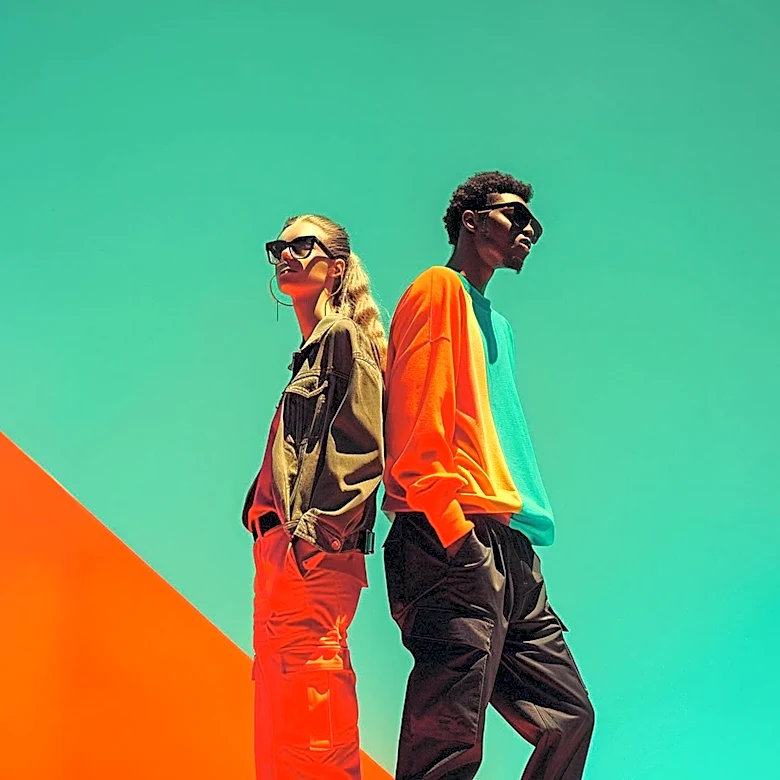
Few garments have adapted to cultural shifts as successfully as the wide-leg pant. They are a canvas for the zeitgeist. In the 1970s, they exploded in popularity as dramatic bell-bottoms and palazzo pants, capturing the free-spirited energy of the disco and bohemian movements. The 1990s saw them re-emerge through the lens of hip-hop and rave culture, with oversized, baggy jeans becoming a uniform for skaters and punks who defined themselves against mainstream fashion. Today's iteration is more refined and versatile. You’ll find them as structured trousers in a power suit, relaxed denim for the weekend, and flowing linen pants for vacation. Their ability to be dressed up with a blazer or down with a simple t-shirt makes them a workhorse in any wardrobe, outlasting trends by simply evolving with them.
Why They Feel So Right, Right Now
The current dominance of the wide-leg silhouette is no accident. It’s a direct response to the decade-plus reign of the skinny jean. Fashion operates in cycles, and the cultural craving for something new, softer, and more expressive found its answer in the wide-leg’s generous drape. After years of body-hugging fits, the freedom of movement offered by a wider cut feels like a welcome relief. Gen Z, in particular, has championed the shift on social media, embracing looser fits as part of a broader rejection of the polished, restrictive aesthetics of the previous decade. The style is more than just nostalgia; it's a symbol of a collective desire for clothing that is both powerful and comfortable, stylish without being overly constricted.