



The Golden Rule of Oil Cleansing
First, a quick refresher on why oil cleansing is so celebrated. The basic science is “like dissolves like.” The oils in your cleanser grab onto the oil-based impurities on your face—like sunscreen, stubborn makeup, and excess sebum—and dissolve them.
It’s a gentle but powerful way to get your skin truly clean without disrupting its delicate moisture barrier, which is often a problem with harsh, sudsy face washes. People love it because when done right, skin feels clean, soft, and balanced. The problem is that many people stop there. They massage the oil in and then go straight to rinsing, which is like trying to wash a greasy pan with water alone. It just moves the mess around.
The Hidden Step: Emulsification
The secret, non-negotiable step that separates a good oil cleanse from a bad one is emulsification. This is the moment you transform the oil on your face into a milky, rinsable liquid. After you’ve massaged the oil into your dry skin, you don’t rinse it off right away. Instead, you wet your fingertips with a little lukewarm water and continue massaging your face. You’ll see the oil instantly turn into a thin, cloudy, or milky fluid. This is the chemical magic happening: emulsifiers in the cleansing oil formula are activating, allowing the oil and water to finally mix. Now, the cleanser is no longer just oil; it's a cleansing milk that has trapped all the dissolved makeup and grime.
Why This Step Changes Everything
Skipping emulsification is the number one reason people complain that oil cleansing “breaks them out” or “leaves a film.” Without it, you're leaving behind a residue of the cleansing oil mixed with all the dirt, makeup, and sebum you just loosened up. Because oil and water don't mix, a simple splash of water can't lift that greasy layer off your skin. That residue can then sit in your pores, leading to congestion, blackheads, and dullness. Properly emulsifying the oil ensures that everything—the cleanser, the sunscreen, the foundation—binds together and rinses away completely, leaving nothing behind but clean, hydrated skin. It's the step that ensures a truly deep clean.
Your New Foolproof Oil Cleansing Routine
Ready to do it right? Follow these steps for a perfect cleanse every time.
1. Start Dry: Begin with dry hands and a dry face. Applying oil to a wet face will cause it to emulsify prematurely, preventing it from properly dissolving impurities.
2. Massage Thoroughly: Dispense one or two pumps of oil into your palms and massage it over your face for 30 to 60 seconds. Use gentle, circular motions, focusing on areas with more makeup or congestion, like around the nose and on the chin.
3. Emulsify: Now for the main event. Wet your hands with lukewarm water and massage your face again for another 15-20 seconds. Watch as the oil turns milky and thin. This is the sign it’s working.
4. Rinse Clean: Once the oil is fully emulsified, rinse your face thoroughly with lukewarm water until all the milky residue is gone. Avoid hot water, which can strip the skin.
5. Double Cleanse (Optional): For those with oily skin or who wear heavy makeup, you can follow up with a gentle, water-based cleanser to remove any remaining water-based impurities like sweat and dirt.
Not All Oils Are Created Equal
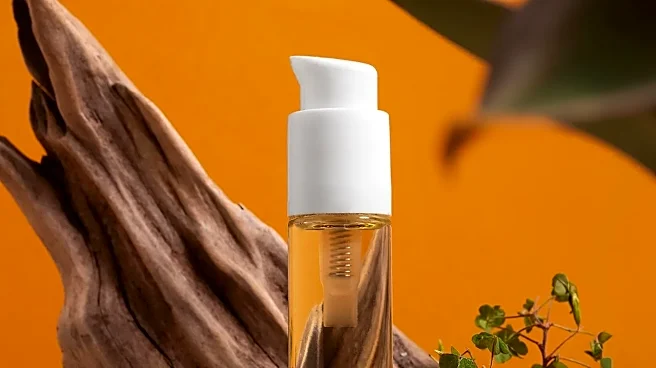
It's important to note that this method works with formulated cleansing oils, not just any straight oil from your kitchen cabinet. Products labeled as “cleansing oils” or “cleansing balms” are specifically designed with emulsifiers (like Polysorbate 80 or Sorbeth-30 Tetraoleate) that allow them to turn milky and rinse clean. Pure oils like coconut, jojoba, or olive oil lack these ingredients. While they can dissolve makeup, they don’t emulsify and will leave a heavy, difficult-to-remove residue on the skin unless you diligently wipe them away with a hot cloth, which can be irritating for some.