




The Tie We Left Behind
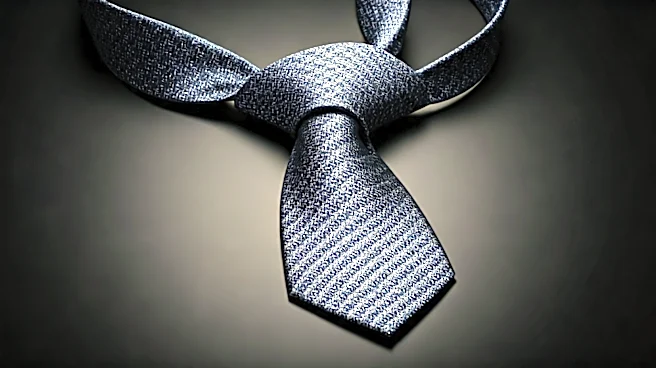
First, let’s talk about the tie we all collectively agreed to ditch. For the better part of a century, the necktie was less a style choice and more a corporate uniform—a strip of silk that signified professionalism, authority, and, for many, conformity.
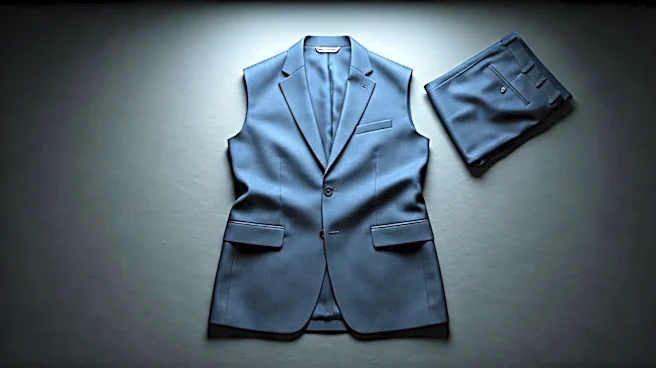
It was the unofficial logo of the office drone, the mandatory accessory for the “serious” man in the boardroom. The ‘80s gave us the aggressive “power tie,” a bold statement of ambition. The ‘90s and 2000s saw a slow loosening as “business casual” crept in, led by tech titans in hoodies and sneakers who proved you didn't need a Windsor knot to build an empire. The pandemic was the final nail in the coffin. Confined to our homes, we traded collars for crewnecks. The tie became an artifact of a bygone era, a relic of long commutes and fluorescent-lit cubicles we were in no hurry to revisit.
Not Your Father's Necktie
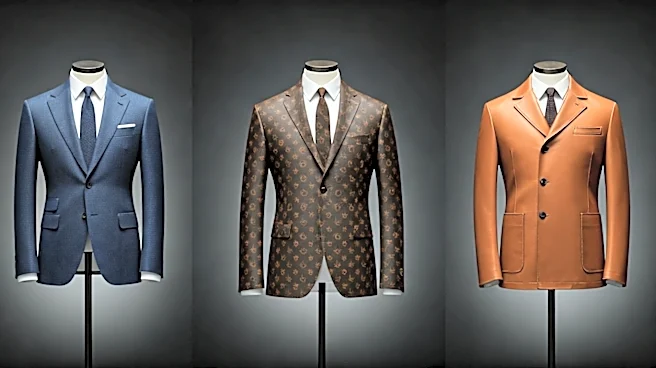
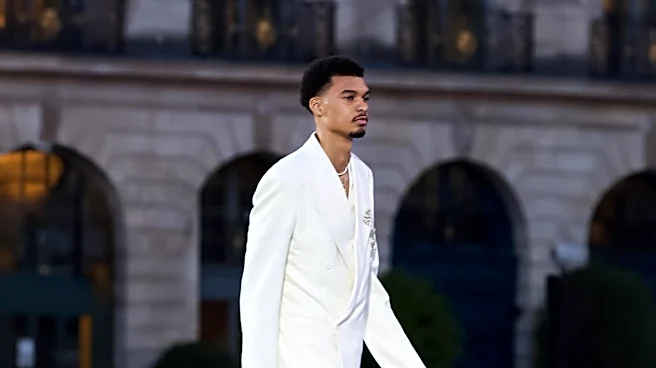
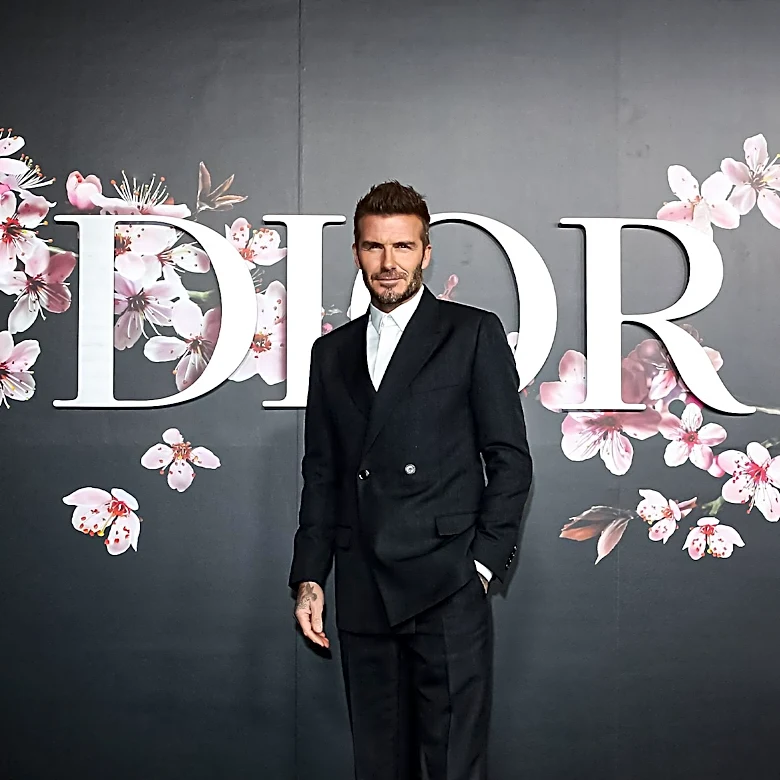
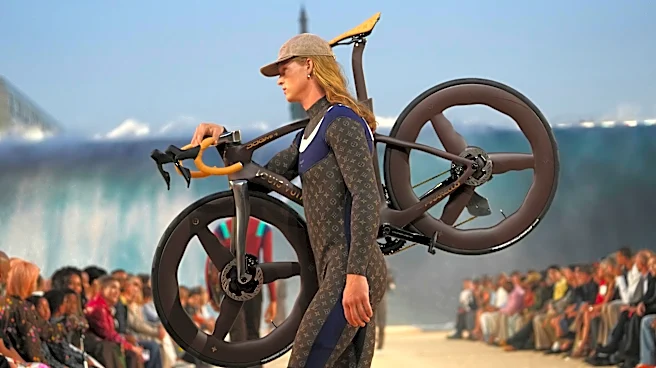
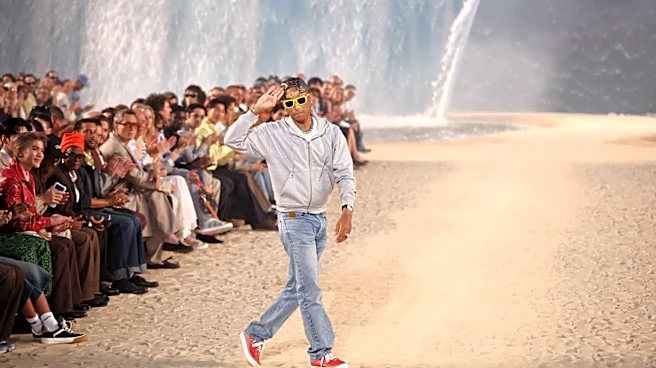
Then came Paris Men’s Fashion Week. On runways from Louis Vuitton to Dior and Ami, the tie was suddenly, undeniably present. But this wasn’t your dad’s staid collection from the back of the closet. Pharrell Williams, in his debut for Louis Vuitton, showed ties, but they felt more like part of a vibrant, expressive new uniform than a return to the old one. At other shows, the styling was key. Ties were skinny and slightly askew, worn intentionally loose, or paired with decidedly non-corporate attire like embellished cardigans, leather jackets, or even casual short-sleeved shirts. They appeared in unexpected textures and colors, divorced from the navy suit and white shirt combination that once defined their existence. This wasn’t a mandate; it was an option. The tie was being presented not as a rule, but as a deliberate, almost rebellious accessory.
From Corporate Tool to Style Statement
This is the heart of the “rebranding.” The new tie is not about fitting in; it’s about standing out. When dressing up is no longer a requirement, choosing to do so becomes a powerful form of self-expression. Wearing a tie in 2024 isn’t about adhering to a dress code; it's about subverting the new default of endless casualization. It’s an act of sartorial intention. By taking the tie out of its natural habitat (the office) and placing it in new, unexpected contexts, designers are stripping it of its old meaning. It's no longer a symbol of obligation but a tool for individualism. It can be ironic, nostalgic, a nod to classic cinema, or a punk-inflected flourish. In short, it has been liberated. The tie is no longer doing a job; it’s just part of the outfit.
Why This Tiny Debate Actually Matters
So, why should anyone care about a few designers playing with neckwear? Because this debate is a proxy for a much larger cultural conversation we’re all having: What does it mean to get dressed now? We’ve successfully dismantled the old work uniform, but the resulting freedom has left a kind of stylistic void. The return of the tie suggests a collective desire for a little more structure, a little more polish, but this time on our own terms. It’s about the joy of putting an outfit together, of making a conscious choice to present yourself to the world in a specific way. The tie’s comeback isn’t a retreat to the past. It's an exploration of a future where we can borrow from tradition without being bound by it. It’s about finding a new language for masculinity and professionalism that includes room for personality, creativity, and even a bit of fun.