


The Last Great Water Cooler
Before social media feeds, there was the water cooler, the school bus, the office kitchenette. The day after the MTV Video Music Awards, these were the arenas where culture was debated. Did Madonna go too far? Was that acceptance speech a trainwreck or a brave
statement? The conversation was a national event because the show itself was a monocultural phenomenon. Psychology points to the power of shared experiences and emotional contagion; when we watch an event unfold simultaneously with millions of others, our collective emotional response is amplified. Watching Britney Spears emerge with a python in 2001 or Beyoncé reveal a baby bump in 2011 wasn't just a passive act. It was an investment in a shared memory, a cultural touchstone you knew would be the primary topic of conversation for the next 24 hours. This collective focus created a sense of importance that a fragmented, on-demand viewing landscape struggles to match.
An Invitation to Pure Chaos
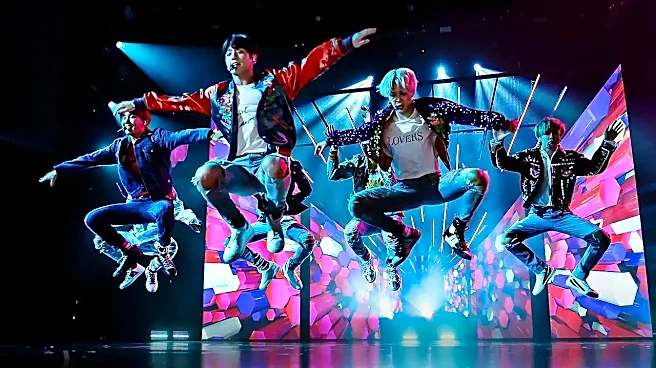
The VMAs were never just about the awards; they were about the potential for beautiful, unscripted disaster. The entire show felt like a dare. From Courtney Love crashing Madonna's post-show interview in 1995 to Rage Against the Machine's bassist climbing the stage scaffolding in protest in 2000, the event thrived on unpredictability. This wasn't a bug; it was the central feature. Knowing that anything could happen—a feud could ignite, an artist could go off-script, a performance could become legend or infamy—created a palpable tension. The most iconic example, of course, is Kanye West interrupting a 19-year-old Taylor Swift in 2009. It was shocking, uncomfortable, and utterly captivating—a moment so raw it would define both artists' careers for years. That element of genuine risk, the feeling that the show could veer off the rails at any second, is a powerful hook that pre-recorded, perfectly polished content can't replicate.
When Spoilers Became the Point
Today, a major VMA moment—like Nicki Minaj’s 2015 “Miley, what’s good?”—is clipped, GIF-ed, and memed within seconds of it airing. The experience is atomized and delivered to your feed, often stripped of its original context. You might see the viral clip without having watched the preceding hour, the host's monologue, or the performance that set the stage. Social media makes you a spectator of the reaction, not the event itself. Watching live meant absorbing the entire narrative arc of the night. The slow-burn tension, the running gags, the surprising wins—it all built a cohesive story. The aftermath now happens in real-time, meaning by the time you'd traditionally debrief with friends, the internet has already moved on to the next hot take. This shift flattens the experience, turning monumental live moments into fleeting, disposable content.
The End of the Spectacle?
For decades, MTV was a powerful cultural gatekeeper. An appearance on the VMAs was a coronation, a signal that an artist had arrived. That centralized authority gave the show its weight. Today, culture is decentralized. A TikTok dance can have more impact than a primetime performance. As viewership for traditional cable and live awards shows has declined, so has the sense that one single show can define the cultural landscape. Streaming services like Netflix are now trying to recapture that live magic with events of their own, recognizing the human hunger for communal experiences. But the VMAs existed in a sweet spot: a time of celebrity mega-starodom, a dominant music television channel, and a pre-social media landscape where a single night really could feel like the center of the universe. The moments felt bigger because, in many ways, the stage they happened on was the only one that mattered.