




More Than an Eco-Statement
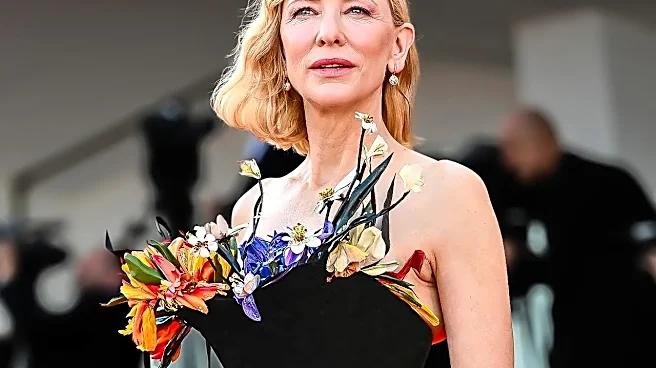
For years, champions of sustainable fashion like Cate Blanchett have made headlines for repeating red carpet looks, a move often framed as a chic, eco-conscious rebellion. In 2020, Blanchett and her stylist made it a point to re-wear cherished looks, proving
that great design is timeless. At the 2026 Venice Film Festival, Pamela Anderson gave a seven-year-old Carolina Herrera gown a second life, looking radiant. While these moments are important nods to sustainability, viewing them only through that lens is reductive. It misses a deeper artistic intention that is gaining momentum: treating a wardrobe like a personal archive, where each piece carries a history and contributes to a larger narrative. The choice to re-wear isn't just about saving the planet; it's about curation, confidence, and a rejection of the idea that newness is the only measure of glamour.
The Art of the Archive Pull
Alongside re-wearing one's own clothes, there is a growing reverence for pulling from a designer's archives. At this year's festival, Kendall Jenner wore a vintage Giorgio Armani gown from the Fall 1995 collection, a piece of fashion history that looked as relevant today as it did decades ago. Sydney Sweeney also reached into the past, selecting a vintage Giorgio Armani from 2000. This is not simply recycling; it's a curatorial act. It's a dialogue between the wearer, the designer's history, and the present moment. Choosing a piece from a specific collection—like Lady Gaga wearing archival Alexander McQueen—is a nod to the enduring power of a designer's vision. It positions fashion as a legitimate art form, with its own history and masterpieces worthy of revival, much like a film festival celebrates cinematic classics alongside new works.
Storytelling Through Style
When an actor chooses a specific vintage piece or re-wears a gown from a pivotal moment in their own career, the garment becomes imbued with story. It's a powerful tool for non-verbal communication. For instance, Kendall Jenner's choice of vintage Alexander Calder earrings from 1955 in Venice was a subtle, brilliant nod to the city's art history, referencing collector Peggy Guggenheim who famously wore his jewelry. These choices elevate a red carpet appearance from a simple photo opportunity to a performance. The clothing tells a story about the wearer's taste, their influences, and their understanding of cultural context. It’s a level of thoughtfulness that goes beyond just looking pretty. It's about demonstrating an understanding of craft, connecting the art of adornment to the art of acting.
A Craft That Mirrors Cinema
The Venice Film Festival is a celebration of cinematic craft—the meticulous choices made by directors, cinematographers, and actors to build a world and tell a story. The intentional fashion choices seen on its red carpet are a direct reflection of that same spirit. When an actor and their stylist decide to re-work an archival Alexander McQueen top, as Cate Blanchett has done, they are engaging in a creative process of reinterpretation. They are considering history, silhouette, and personal narrative. This is not passive dressing; it is an active collaboration that requires research, taste, and an appreciation for design. By embracing re-wears and archival pulls, stars are implicitly arguing that fashion, like film, has a rich history that can be revisited and re-contextualized to create new meaning. This level of intention is precisely why it belongs in the craft conversation.