





The Franchise's Escalation Engine
The magic of Super Troopers has never been about intricate plotting. The first film was loosely held together by a drug bust, and the second by a border dispute. The real story, the part that created a cult classic, is the relentless one-upmanship. The films
are built on a simple principle: a small, stupid idea must be pushed to its most illogical and disastrous conclusion. This is the “escalation machine” at work. It starts with pranks during a traffic stop—like the infamous “meow” game—and spirals into inter-departmental warfare with the Spurbury Police or a full-blown rivalry with Canadian Mounties. The humor isn't just in the prank itself, but in the unwavering commitment to seeing it through, far past the point of reason. This structure, more like a series of sketches than a traditional narrative, relies on finding scenarios ripe for chaos.
A Wedding Is the Perfect Pressure Cooker
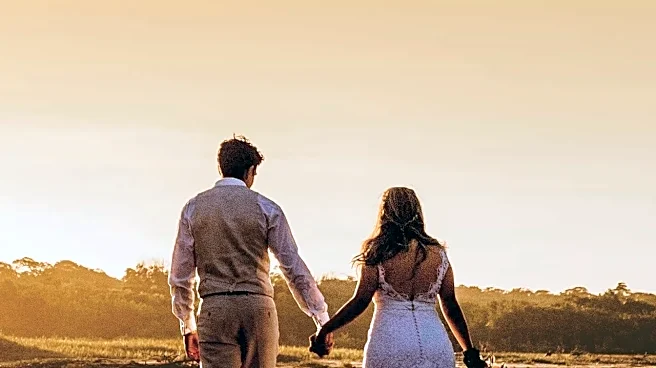
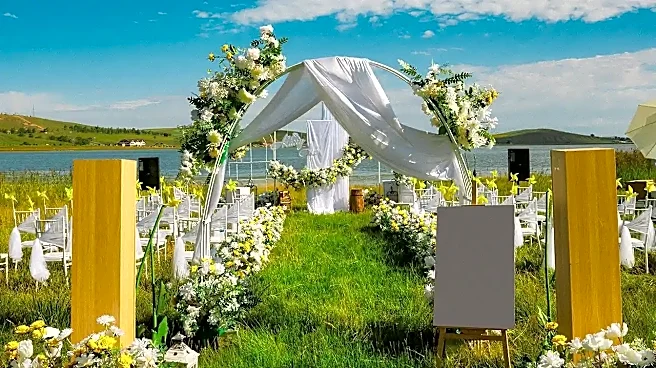
Enter the wedding. No other social event is so loaded with expectations, fragile egos, and rigid rules just waiting to be broken. It’s a perfect comedic playground. You have two families, often with underlying tensions, forced into choreographed joy. You have seating charts that can be weaponized, open bars that fuel bad decisions, and a schedule so tight that a single disruption can cause a catastrophic chain reaction. The new film's premise—which sees Farva having an over-the-top Indian engagement to Thorny’s sister—is a stroke of genius. It immediately establishes personal stakes and pits the troopers against each other, with Thorny trying to sabotage the union while the rest of the gang gets entangled. A wedding isn't just a backdrop; it's a comedic accelerant.
Character-Driven Chaos
The beauty of this premise is how perfectly it allows each character to do what they do best. You can instantly picture it. Farva, as the groom-to-be, would be at his most insufferable and attention-starved, demanding a “liter of cola” at the head table. Thorny, the protective older brother, becomes the mission-driven saboteur. Mac and Foster are the natural pranksters, unable to resist turning a simple “best man’s speech” into an act of psychological warfare. And Rabbit, the rookie, inevitably gets roped into the worst of it, probably by falling for a bridesmaid and accidentally revealing the entire sabotage plot. The setting allows their established personalities to create the conflict naturally. They don't need an external force to create chaos; they are the chaos, and a wedding is their natural habitat.
The Best Kind of Bad Idea
A key theme in Super Troopers is the casual, almost cheerful abuse of authority for personal amusement. The plot of the third film, which combines the wedding drama with a new drug ring investigation, doubles down on this. It forces the troopers to operate in a gray area where their professional duties clash with their personal (and deeply unprofessional) missions. Are they providing security for the wedding they’re also trying to ruin? Does the investigation get tangled up with a problematic DJ or a suspicious caterer? This is where the franchise thrives. It’s the friction between their roles as cops and their instincts as overgrown children that generates the best gags. By intertwining a high-stakes family event with a legitimate police case, the film sets up a scenario where every decision is a bad one, and every bad decision pushes the story to a more ridiculous and hilarious place.