




The New Architectural Uniform
On the runways of Paris, from Dior to Schiaparelli and rising stars like Standing Ground, a distinct shape has taken hold. Jackets and bodices are cinched at the waist, only to flare out into a sculptural, almost gravity-defying peplum. This isn't the soft,
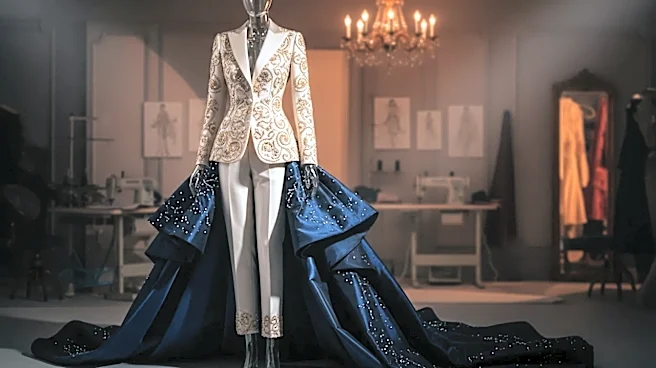
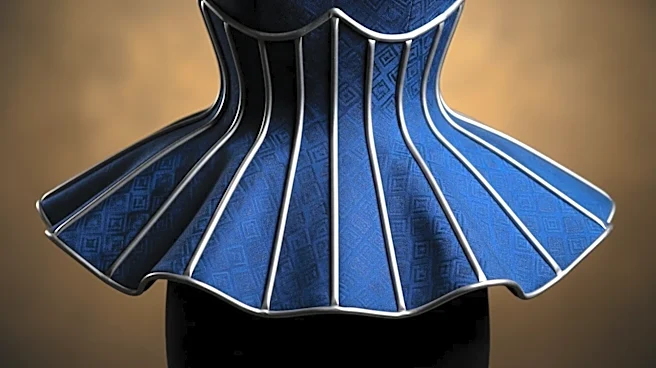
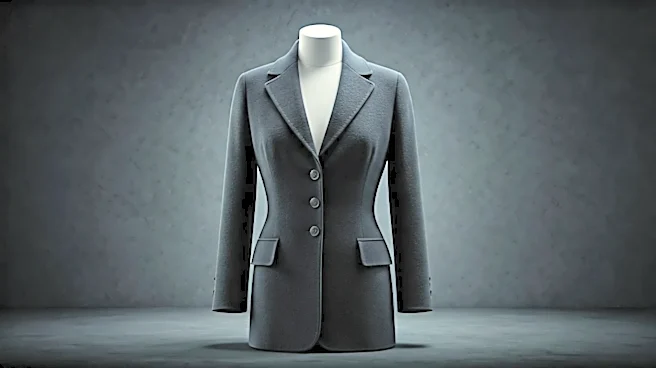
flouncy peplum of the early 2010s that flooded high-street stores. This version is engineered. Designers are using techniques borrowed from corsetry, adding internal boning to create a crisp, architectural ledge that juts from the body. It’s less a ruffle and more a piece of personal architecture, seen on everything from severe blazers to elaborate evening gowns. The effect is one of control and intention, turning the wearer's silhouette into a deliberate statement.
More Than Just a Ruffle
The peplum has a long and cyclical history. Its origins trace back to the draped “peplos” of ancient Greece, a simple way to create shape and volume. It truly entered the modern fashion lexicon with Christian Dior's 1947 “New Look,” which used the peplum to sculpt an exaggerated hourglass figure after years of wartime austerity. Later, it became a signature of 1980s power dressing, often paired with formidable shoulder pads to create an armor-like silhouette for women entering the corporate world. Each time the peplum returns, it reflects the era's conversation about femininity and power. Its past associations with both hyper-femininity and corporate aggression make its current revival all the more interesting.
Structure as Strength
The key to understanding this new peplum is the boning. Boning, a technique historically used in corsets to cinch and shape the waist, is being repurposed. Instead of constricting the body, it’s being used to build a structure that extends away from it. This is a subtle but crucial shift in meaning. Where corsetry once suggested restraint, this new architectural boning suggests projection and personal space. The garment is not conforming to the body; it is reshaping the space around it. This is fashion as a form of armor, but not for defense. It is armor for assertion, a way to claim a physical and visual footprint that is unapologetically structured and self-defined.
The Psychology of a Power Silhouette
So why is this specific, historically-loaded shape becoming couture's sharpest power move now? Because it offers a new way to articulate strength. For decades, women’s power dressing often meant borrowing from menswear—think sharp shoulders and sober suiting. The boned peplum offers an alternative. It creates a powerful, assertive silhouette using the vocabulary of historical womenswear, reclaiming elements like the peplum and corsetry as tools of authority rather than oppression. It celebrates a uniquely feminine form of power, one that is built on structure, artistry, and an understanding of history. It’s a way to look strong without looking masculine, to be commanding without being aggressive. It is, in essence, a wearable thesis on modern power.