




Two Hosts for One Party
To understand the clash, you first need to know there aren’t one, but two cooks in the kitchen. Originally, Congress created a bipartisan group called the America250 Commission back in 2016 to plan the nationwide commemoration. But in 2025, the Trump
administration established a parallel public-private partnership called Freedom 250 to spearhead its own events. This move effectively split the celebration in two, creating confusion and controversy, particularly over funding. Watchdog groups and congressional Democrats have accused the White House of diverting millions in funds intended for the original bipartisan commission to the new, politically-aligned Freedom 250 organization, which has been planning high-profile, rally-style events on the National Mall.
The Great Performer Exodus
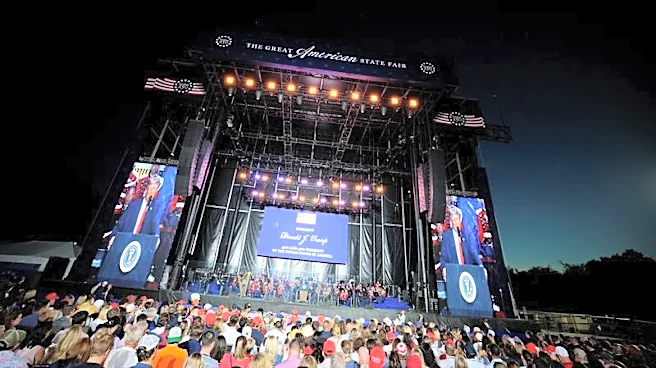
The cultural friction boiled over with the lineup for the Freedom 250’s “Great American State Fair.” What was billed as a nonpartisan celebration of America was seen by many artists as a political event in disguise. One by one, major names pulled out. Poison frontman Bret Michaels stated the event had “evolved into something much more divisive.” Country star Martina McBride said the opportunity was “misleading.” They were joined by The Commodores, Morris Day and the Time, and Young MC, who all publicly distanced themselves, claiming they were unaware of the political nature of the event. The exodus turned a booking announcement into a public relations crisis, making it clear that participating in the nation's birthday party now required choosing a side.
A Tale of Two Playlists
The result is two distinct celebrations with starkly different vibes. The congressionally chartered America250 is hosting events like a Los Angeles benefit show hosted by Queen Latifah, featuring artists like Chris Stapleton and The Smashing Pumpkins. This lineup seems to aim for a broad, multi-generational audience. Meanwhile, the Trump-aligned Freedom 250 event on the National Mall features patriotic staple Lee Greenwood, rapper Flo Rida, and 90s icon Vanilla Ice. The divide isn't just about who is performing, but the context of the performance. One feels like a traditional broadcast special, the other a political rally with a concert attached. For artists, the choice isn't just about a paycheck; it has become a branding decision with potential political fallout.
More Than Just a Playlist
This split over entertainment reveals a deeper, generational fault line in how Americans view patriotism itself. Polling shows younger generations, like Gen Z, are less attached to traditional institutions and are more interested in using the anniversary for “reflection on history and values” rather than a pure “celebration of the nation’s achievements.” They are drawn to themes of social justice and inclusivity. Older generations often favor a more reverent celebration of American exceptionalism and legacy. The Freedom 250 events, with their overt political messaging, cater to the latter view. The schism in entertainment isn't really about music; it's a proxy war over the very meaning of America in 2026. Is it a legacy to be honored uncritically, or a complex story that demands reflection, flaws and all?