




The Mild Winter Wardrobe Dilemma
That closet full of chunky knits and heavy-duty outerwear can feel useless when the forecast rarely dips below freezing. This isn't about just one warm spell; it's a pattern of fluctuating temperatures that leaves many feeling perpetually overdressed
or under-prepared. The traditional 'snow-ready' wardrobe, built around a single, ultra-warm coat, fails to offer the adaptability needed for a day that starts at 35 degrees and hits 50 by the afternoon. The solution isn't to buy more gear, but to adopt a more strategic approach that prioritizes flexibility.
Master the Art of Layering
The single most effective strategy for a mild winter is smart layering. This isn’t about piling on clothes, but about choosing a few key pieces that work together. The system is simple: a base layer, a mid-layer, and an outer layer. Your base layer—a long-sleeve tee, a fine-knit top, or even a silk or merino wool undershirt—should be comfortable and breathable. Avoid cotton as a base, as it holds moisture if you sweat. The mid-layer is your insulator; think cashmere sweaters, fleece vests, or lightweight cardigans. The magic of this system is its adaptability. As the day warms up, you can shed the mid-layer without sacrificing your entire outfit's structure.
Rethink Your Outerwear
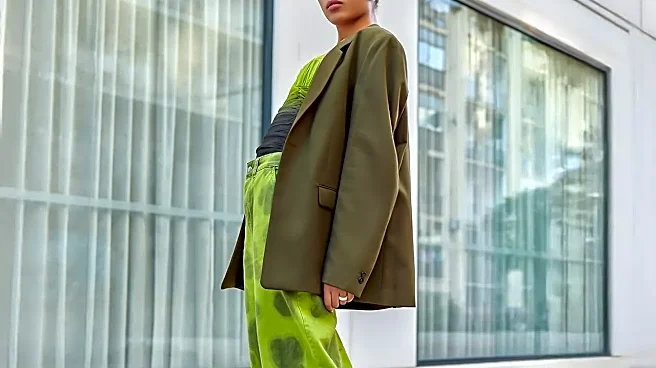
When a massive puffer is too much, what’s the alternative? The key is to invest in versatile outerwear that offers protection without excessive bulk. A tailored wool coat is a timeless choice that provides significant warmth and structure. For milder or wetter days, a classic trench coat, especially one with a removable liner, is an indispensable piece. Other strong contenders include quilted jackets, which are lighter than puffers but still insulated, and stylish wool capes or ponchos that add a layer of warmth and sophistication. A leather or suede jacket can also serve as a perfect transitional outer layer, easily pairing with knits for a polished look.
Build from the Ground Up
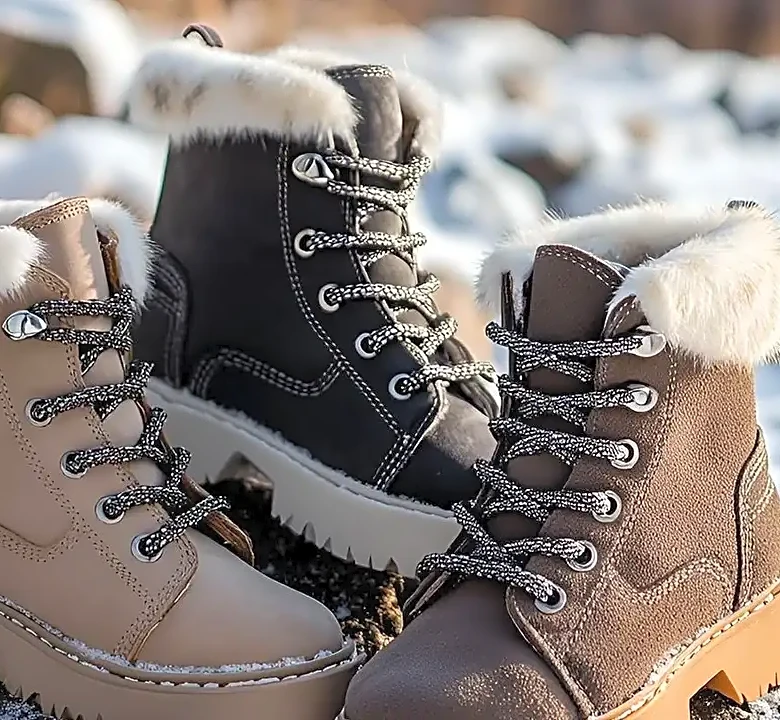
Footwear often presents the biggest challenge. Snow boots are overkill on dry pavement, but summer sneakers won’t cut it. The sweet spot lies in between. Waterproof leather boots offer protection from unexpected rain without the bulk of insulated snow gear. Loafers, stylish sneakers, and ballet flats can work on drier days, especially when paired with warm socks made of merino wool. Swapping sandals for closed-toe shoes is one of the easiest ways to signal a seasonal shift while remaining practical for mild temperatures.
Accessorize for Adaptability
In a mild winter, accessories aren't just for decoration; they are functional tools for temperature regulation. A quality scarf made of wool or cashmere can provide as much comfort as an extra sweater, but it's far easier to remove and stash in a bag. Likewise, a beanie or a structured wool hat can make a huge difference in retaining body heat on a brisk morning. Gloves are another easily adjustable element. This approach allows you to fine-tune your warmth level throughout the day without having to commit to a heavy, all-or-nothing coat.