







The Illusion of 'Just White'
First, let's dispel a myth: there is no single color called 'white' in the world of fashion and textiles. Instead, white exists on a spectrum. On one end, you have warm whites like ivory, cream, and ecru, which have subtle yellow, beige, or grey undertones.
On the other end, you have cool, pure whites, the brightest of which is known as optic white. Understanding this distinction is the first step to mastering the all-white aesthetic, as pairing different whites incorrectly can create a jarring, disharmonious look.
What Exactly Is Optic White?
Optic white is the brightest, most brilliant white you can find. It’s a stark, crisp shade that often has a hint of a blue undertone. This intensity isn't always natural. Fabric mills achieve this 'whiter-than-white' look by using optical brightening agents, or OBAs. These are chemical compounds that absorb invisible ultraviolet light and re-emit it as visible blue light. This process tricks our eyes into seeing a brighter, cleaner, and more vibrant white by counteracting the natural yellowish tint of many fabrics.
Why It Matters on the Court
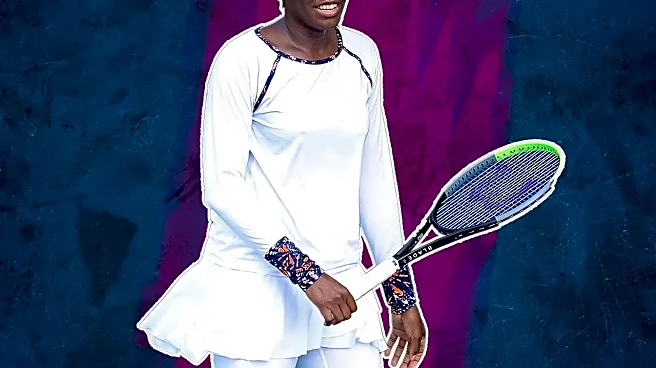
On a tennis court, especially outdoors under the bright sun, the difference between optic white and its warmer cousins becomes much more apparent. Optic white creates a sharp, modern, and high-contrast look that pops against a green court or blue sky. It reflects the maximum amount of light, which not only contributes to the classic cooling effect of white sportswear but also gives your outfit an exceptionally clean and polished appearance. In photos, optic white looks deliberate and professional, whereas a softer, off-white might appear less vibrant or even slightly aged in comparison, especially if it's unintentionally mixed with a brighter piece.
The Perils of Mixing Your Whites
This is where many well-intentioned all-white outfits go wrong. If you pair an optic white skirt with a cream-colored top, the top can instantly look dull, dingy, or even dirty next to the brilliance of the skirt. The human eye is excellent at detecting these subtle tonal mismatches, creating a sense of disharmony. The rule of thumb for a cohesive look is to match your whites. If you're wearing an optic white piece, commit to it for the entire outfit. If you prefer the softer appeal of ivory or bone, build your ensemble around that specific shade. Mixing whites can be a deliberate fashion statement, but for the classic, clean tennis aesthetic, consistency is key.
How to Shop Smart for Whites
When building your tennis wardrobe, pay attention to the language brands use. Look for descriptions like "optic white," "brilliant white," or "pure white" for the brightest options. Terms like "ivory," "cream," "vanilla," or "ecru" signal warmer tones. Whenever possible, compare garments in natural daylight, as store lighting can be deceptive. Lay the pieces next to each other to see how their undertones interact. If shopping online, be aware that screen calibrations can alter colors, so stick to one product line or brand for a set if you want a perfect match, as they are more likely to use the same dye lot for their collections.