



The First Chicano Rock Star
Before Ritchie Valens, there were virtually no Latino stars in American rock and roll. Born Richard Valenzuela in the San Fernando Valley, he grew up surrounded by the sounds of traditional Mexican music, R&B, and burgeoning rock. This unique cultural
blend became the bedrock of his music. When producer Bob Keane of Del-Fi Records discovered the 16-year-old, he saw a magnetic performer and suggested shortening his name to Valens for wider radio appeal. But Valens never shed his heritage; instead, he baked it directly into the DNA of his sound, becoming the first artist to truly bridge the gap and create what would be known as Chicano rock. He represented a new possibility for a generation of Mexican-American musicians, proving that their cultural identity had a place in the mainstream.
Folk Song Turned Rock Anthem
Nothing exemplifies Valens’ innovative spirit more than "La Bamba." The song was a centuries-old Mexican folk tune from Veracruz, traditionally played at weddings. Valens, who didn't speak fluent Spanish and learned the lyrics phonetically from his aunt, transformed it completely. He supercharged the traditional melody with a driving rock and roll beat, a blistering guitar solo, and an infectious energy that was entirely modern. The result was revolutionary: a Spanish-language song that became a Top 40 hit in the United States. It was more than just a cover; it was a cultural statement, proving that the raw power of rock could be fused with sounds from across the border to create something new and exciting for a mass audience.
A Distinctive Guitar Voice
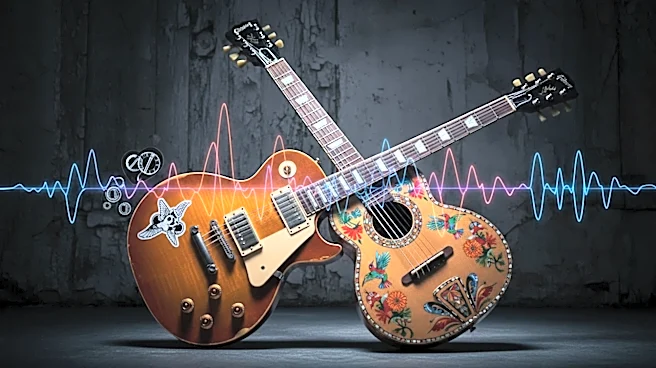
Valens was a gifted guitarist with a style all his own. Naturally left-handed, he learned to play on a right-handed guitar, a detail that some believe contributed to his unique approach to the instrument. His sound was defined by a gutsy, dominant guitar tone that contrasted with his often plaintive vocals. He favored Fender Stratocaster guitars, which, paired with Fender amplifiers, became instrumental in crafting the bright, cutting sound that would later define West Coast surf music. Whether it was the raw power chords of "Come On, Let's Go" or the iconic, intricate solo on "La Bamba," Valens used his guitar not just for rhythm, but as a lead voice that was energetic, expressive, and impossible to ignore.
The Magic of Gold Star Studios
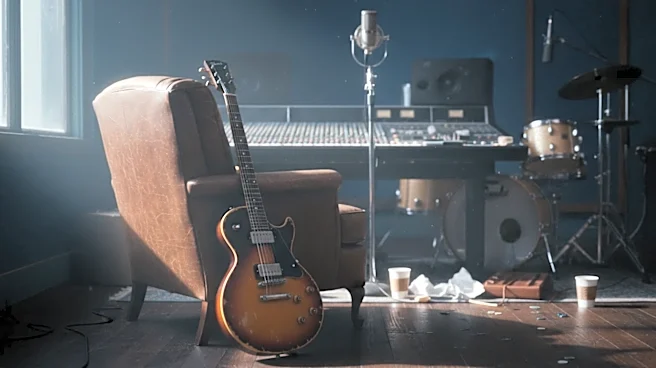
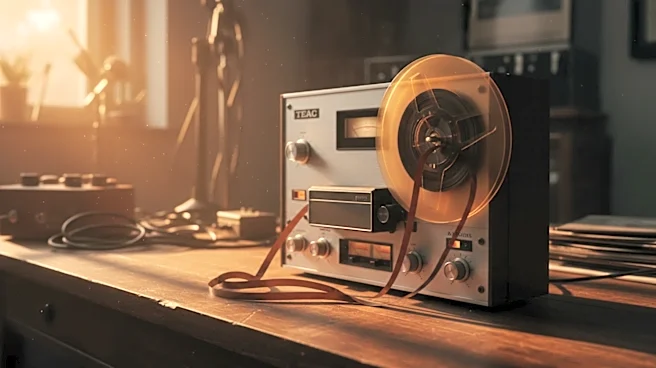
The final ingredient in Valens' sound was the place where it was recorded: Gold Star Studios in Hollywood. Working with producer Bob Keane and engineer Stan Ross, Valens was backed by a group of top-tier session musicians, including legendary drummer Earl Palmer and guitarist Carol Kaye. Gold Star was famous for its echo chamber, a key element that gave records a huge, atmospheric sound and would later be used by Phil Spector for his “Wall of Sound.” This studio magic, combined with the live-in-the-room energy of the seasoned musicians, gave Valens' records a professional sheen and sonic depth that made them leap out of the radio, elevating his raw talent into polished, timeless hits.