

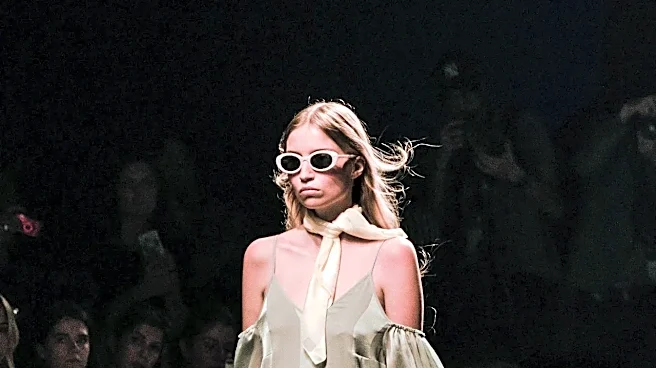
The Minimalist Uniform We All Knew
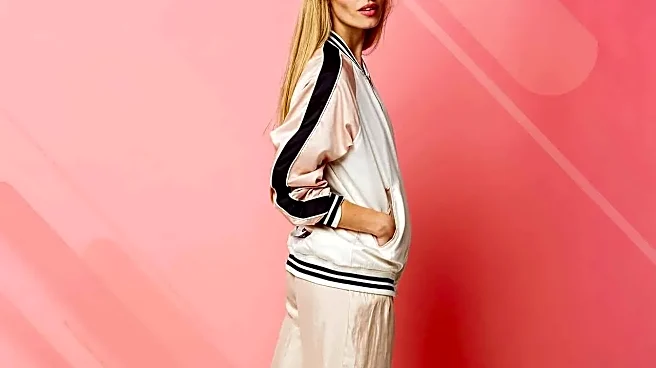
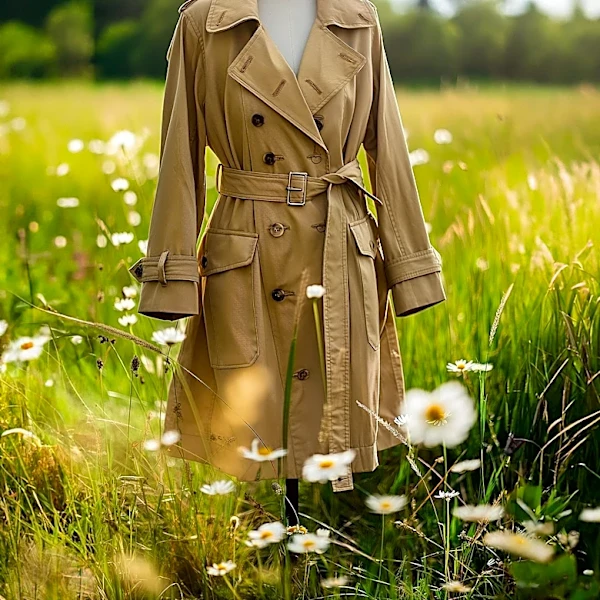
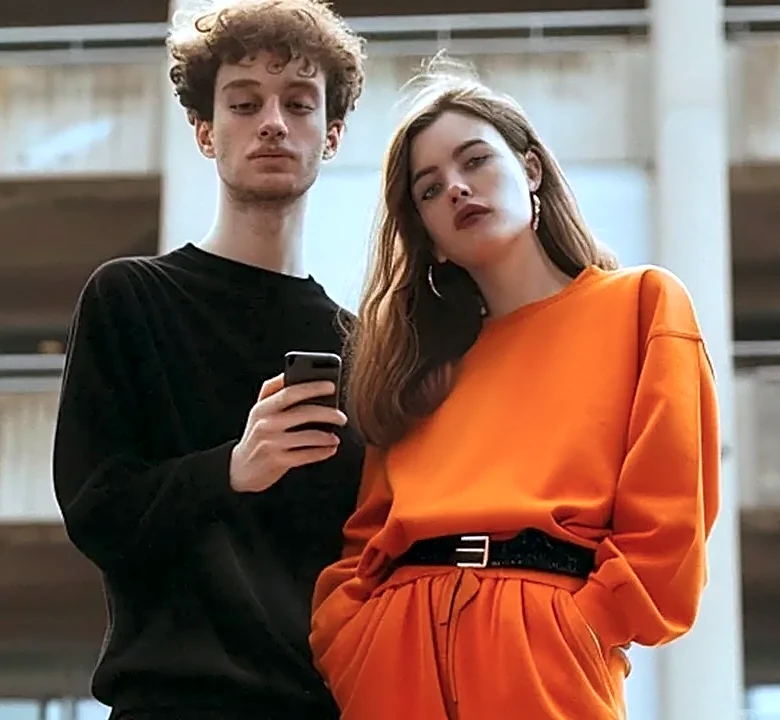
Not long ago, the “Copenhagen look” was as reliable as it was aspirational. Rooted in Danish design principles of functionality and simplicity, it was a uniform of beautifully made, practical pieces in a palette of black, white, beige, and gray. This
aesthetic was about investment dressing and understated elegance—quality over quantity, function fused with form. It was a direct response to the Scandinavian climate and a culture that values longevity. The look became a global phenomenon precisely because it felt achievable; it wasn’t about chasing fleeting trends but about building a timeless, versatile wardrobe. It was the sensible, stylish answer to the chaos of fast fashion.
What Is 'Controlled Eccentricity'?
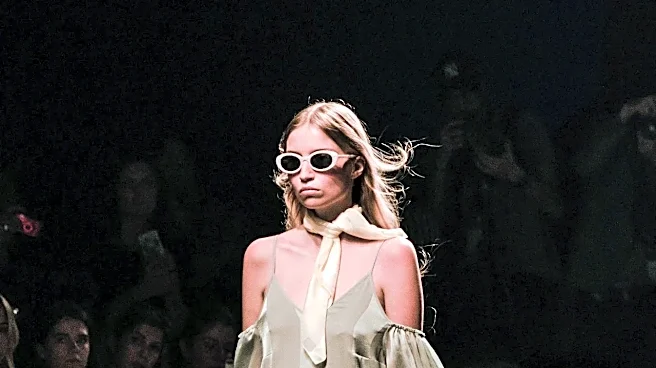
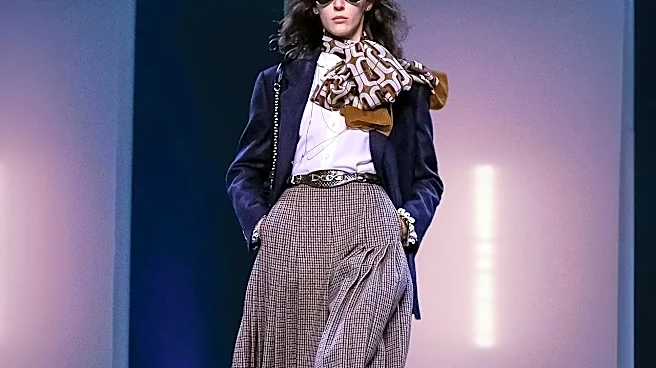
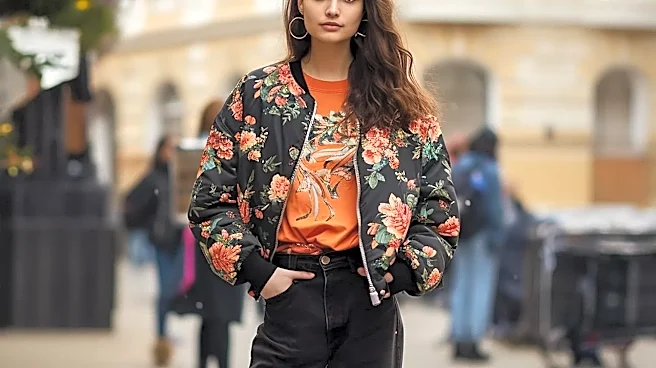
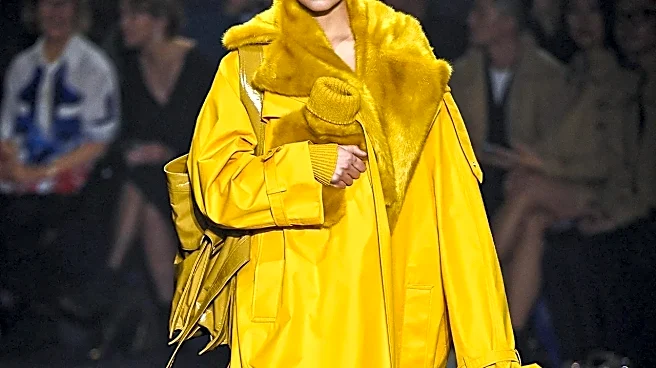
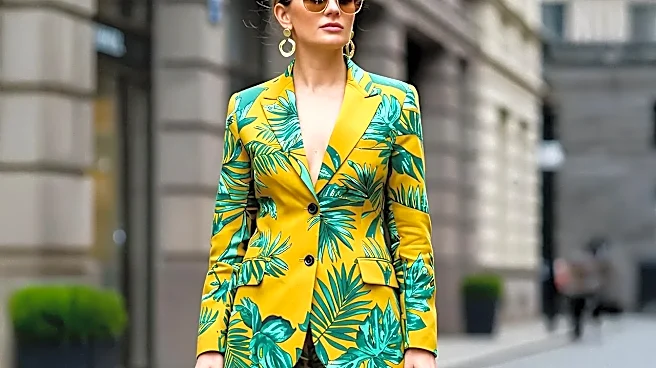
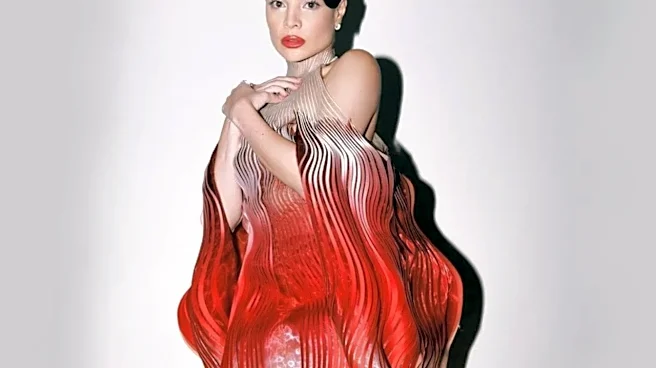
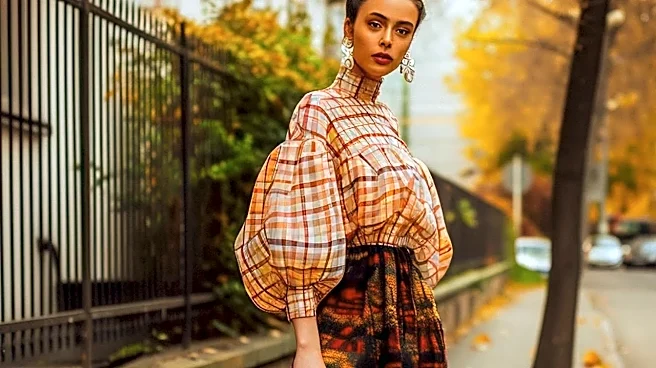
The new wave washing over Danish fashion isn’t a complete rejection of the past, but a vibrant evolution. “Controlled eccentricity” is the perfect phrase for it. It's not about head-to-toe maximalism, but about injecting personality and playful weirdness into an otherwise wearable foundation. Think of it as minimalism with a wink. It might be a classic tailored blazer paired with a ruffled, sheer skirt, or a simple dress distinguished by a surprising, sculptural sleeve. It's found in quirky accessories, unexpected color pairings like chartreuse or candy-pink stripes, and a willingness to mix textures and patterns that almost clash, but somehow work. The 'controlled' part is key; the clothing remains functional and rooted in quality, but the 'eccentricity' allows for individual expression and joy.
The Designers Leading the Charge
This shift is being driven by a new guard of designers, and championed by established brands that refuse to stand still. Brands like Ganni have long been celebrated for their playful prints and modern shapes that broke from the clean-cut stereotype. Stine Goya has been a pioneer in this space since 2006, intentionally bringing vibrant colors and eclectic silhouettes to the minimalist Scandinavian scene. More recently, designers like Cecilie Bahnsen have perfected the art of the voluminous, almost couture-like dress that can still be worn with sneakers, blending romance with everyday ease. Meanwhile, emerging talents are experimenting with deconstructed elements and unusual details, like skirts with floral prints peeking out from a pinstripe overlay, proving that the city's creative energy is flourishing.
Why the Shift Is Happening Now
Several forces are driving this aesthetic evolution. On one hand, it’s a natural rebellion against the hyper-commercialization of Scandi minimalism. Once everyone adopted the beige-on-beige uniform, the truly fashion-forward sought new ways to stand out. There's also a strong current of self-expression and a desire for more joyful, optimistic clothing, perhaps as a psychological response to years of global austerity and uncertainty. Furthermore, Copenhagen Fashion Week's own rigorous sustainability requirements are pushing designers to be more innovative. When you're focused on creating long-lasting, meaningful pieces and avoiding waste, it encourages more creative, less trend-driven design. It fosters a style that’s built on personality rather than disposability, where a weird, wonderful piece is cherished for years, not just a season.