






The Subscription Service's High-Stakes Play
For subscription video-on-demand (SVOD) services like Netflix, Max, and Disney+, August is a month of strategic defense. The primary goal is to combat "churn"—the industry term for subscribers canceling their service. Viewership habits show that many
people sign up for a specific, high-profile show and then cancel once they've finished it. A major August premiere, like the return of a beloved series such as "Ted Lasso" or a new DC entry like "Lanterns," serves as a powerful anchor. It's designed to give subscribers a compelling reason to stick around after they've already binged July's big release. This is a high-cost, high-reward strategy. These platforms are betting that a blockbuster original series or film is valuable enough to justify a monthly fee, even in a month when consumer attention can be scattered.
The Ad-Supported Platform's Volume Game
In the other corner, ad-supported video-on-demand (AVOD) and free ad-supported streaming TV (FAST) services like Tubi, Pluto TV, and Peacock's free tier are playing a different game entirely. Their main objective isn't preventing cancellations; it's maximizing viewership hours to sell to advertisers. August is an ideal time for this. With back-to-school expenses looming and household budgets potentially tightened after summer vacations, the appeal of "free" content is stronger than ever. These platforms thrive on volume, often by adding huge libraries of older, familiar movies and TV shows. They don't necessarily need a single, massive hit. Instead, they can win by offering a diverse catalog that keeps viewers engaged for hours, generating a steady stream of ad revenue without the immense financial risk of producing a tentpole original.
The Content Calculus: Event TV vs. Comfort Food
The type of content that succeeds in August highlights the fundamental difference between the two models. Subscription services need to create an event. A show like Prime Video's "Reacher" or Netflix's final season of "Outer Banks" is marketed as must-see television, an experience you pay for to be part of the cultural conversation. The investment is enormous, but the payoff is a dedicated, paying audience. Ad-supported services, meanwhile, have found incredible success with what could be called "comfort food" content. By licensing dozens of catalog titles—like multiple entries from the "Fast & Furious" or "Chucky" franchises—they attract viewers looking for something familiar and easy to watch. This strategy leverages existing assets to draw massive eyeballs, turning archived content into a reliable revenue engine.
The Shifting Audience and the Hybrid Future
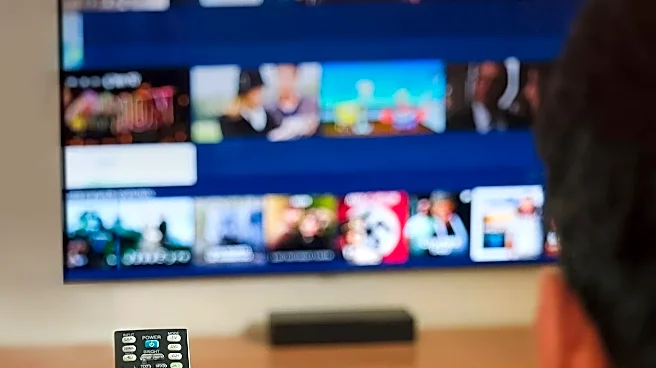
Ultimately, the audience decides the winner, and their behavior is becoming more complex. A significant number of viewers, particularly younger ones, are exhibiting signs of "subscription fatigue." Many viewers now cycle through subscriptions, signing up for a single show before canceling, and nearly 40% have switched to cheaper, ad-supported plans in the past year to save money. This trend has not gone unnoticed. Recognizing that the market is not a simple binary, nearly every major streaming service has adopted a hybrid model. Netflix, Disney+, and Max all now offer cheaper, ad-supported tiers alongside their premium ad-free plans. This allows them to capture both the viewer willing to pay for a premium experience and the more price-sensitive consumer who doesn't mind watching commercials.