

The Ballgown's Reign
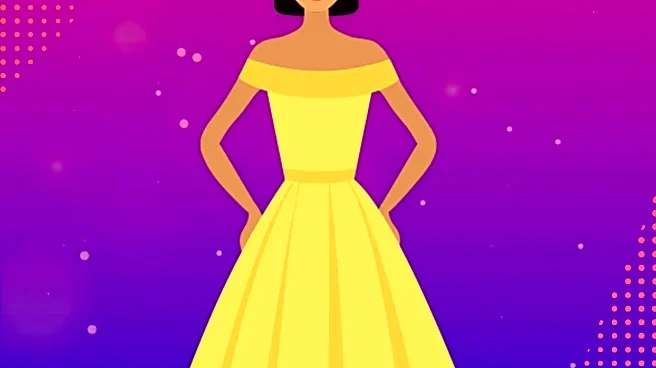
For as long as fans have gathered to celebrate pop culture, the Disney Princess has been a cosplay icon. From Cinderella’s shimmering ballgown to Belle’s golden masterpiece, these creations were the gold standard. Achieving screen-accuracy was the ultimate
goal, a testament to a cosplayer’s skill, dedication, and budget. The bigger the skirt, the more intricate the beadwork, the more heads it turned. The Masquerade, Comic-Con's long-running costume competition, has seen countless breathtaking examples of these gowns, which often take months, if not years, to perfect. This was princess dressing at its most pure: a faithful, loving recreation of a magical moment from a beloved film, brought to life with painstaking detail. For many, it represented the pinnacle of the craft—a wearable piece of art that was instantly recognizable and universally admired.
A Practical Problem
Here’s the thing about a 3,900-seat ballroom or a sprawling convention center floor: they get crowded. And hot. Navigating the dense crowds of San Diego Comic-Con is a challenge in jeans and a t-shirt; doing it while managing a six-foot hoop skirt is a Herculean feat. Cosplayers started asking themselves if the aesthetic payoff was worth the logistical nightmare. The sheer impracticality of massive gowns—the difficulty of using a restroom, sitting down, or even just grabbing a bottle of water—has led many to seek alternatives. Add to that the rising cost of materials and the immense time investment required for a single, elaborate gown, and a practical rebellion started to brew. A simpler, more mobile costume means more time enjoying the convention and less time worrying about a disastrous tear or stain.
From Recreation to Reinterpretation
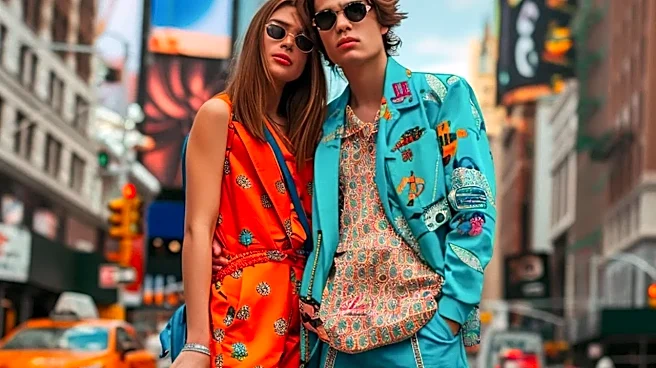
The most exciting shift isn’t just about comfort; it's about creativity. The cosplay community is increasingly celebrating personal interpretation over rote accuracy. Why create a perfect replica of Cinderella’s dress when you can design what she’d wear as a post-apocalyptic survivor, a punk rock musician, or a Jedi Knight? This move toward alternate universe (AU) and redesigned characters allows for immense creative freedom. These mashups and reinterpretations are where a cosplayer's unique voice can shine. They are no longer just replicating a design but adding to the character's story. As a result, the convention floor has become a gallery of incredible “what-if” scenarios: a steampunk Snow White, a battle-armored Ariel, or a 1940s noir version of Rapunzel. These costumes often generate more buzz and online engagement precisely because they are unique.
Art Reflecting Art
This trend in cosplay also perfectly mirrors the evolution of princesses on screen. The classic princesses who wore the iconic ballgowns were often passive figures waiting for a prince. Today’s heroines, from Merida to Moana to Raya, are adventurers, warriors, and leaders. Their screen designs are more practical and action-oriented, and their stories are not defined by a fairytale wedding. Fans have embraced this evolution, and their costumes reflect it. Cosplaying Moana in her practical, layered skirt and top feels more authentic to her character than forcing her into a non-existent ballgown. Cosplayers are choosing to embody the spirit of these modern heroines, which often means trading delicate slippers for sturdy boots. This shift celebrates powerful women in all their forms, moving beyond the singular, idealized image of a princess in a pretty dress.