








The 'Emmy Bump' Is Real
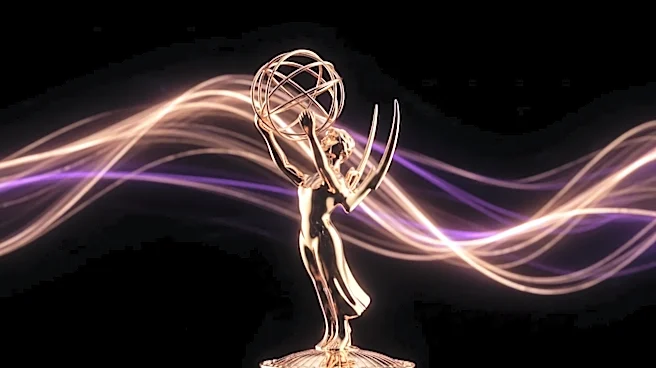
In today’s fractured media landscape, an Emmy nomination is more than just a gold statue—it's a signal flare. For shows flying under the radar, a major nomination provides a crucial stamp of industry approval that cuts through the overwhelming noise of hundreds
of series across dozens of platforms. This recognition, often called the 'Emmy Bump,' translates directly into quantifiable results. A nomination can trigger a surge in media coverage, social media buzz, and, most importantly, viewership. It tells audiences who may have missed a show's initial run that there's something worth watching, prompting them to seek it out. Data consistently shows that nominated shows, especially winners, can see massive viewership spikes in the days and weeks following the announcements. For example, some shows have seen their minutes streamed increase by over 200% in the week after nominations are revealed.
The Ultimate Case Study: Schitt's Creek
You can't talk about the Emmy bump without talking about Schitt's Creek. For years, it was a quirky Canadian sitcom with a small, devoted following on Pop TV. Before its historic Emmy sweep in 2020, its final season averaged just a few hundred thousand viewers per episode. But after landing on Netflix, awareness grew, and its surprise 2019 nominations for its fifth season cracked the door open. The following year, it kicked that door down, winning in all seven major comedy categories—an unprecedented feat. The impact was immediate and staggering. In the week after the awards, audience demand for the show skyrocketed, making it 46.7 times more in-demand than the average series in the U.S. The show went from a cult favorite to a global comfort-viewing phenomenon, proving that Emmy recognition could launch a little-known series into the stratosphere. It became the kind of show people binged, re-watched, and evangelized, all thanks to that golden stamp of approval.
The Streaming Effect and a New Blueprint
The streaming era has supercharged the Emmy bump. In the past, a ratings boost for a network show was the primary goal. Now, a nomination can drive new subscribers to a platform, revive a canceled series, or give a show a long-tail life it never would have had on linear TV. Shows like FX's The Bear and ABC's Abbott Elementary are more recent examples. While Abbott Elementary was a network success, its multiple Emmy nominations and wins elevated its profile, turning it into a fixture of the cultural conversation. The Bear, a critically acclaimed but intense series, used its Emmy wins (in the much-debated comedy category) to solidify its place as must-see TV, drawing in viewers who may have been hesitant to dive into its chaotic world. These nominations act as a powerful co-sign, reassuring viewers that investing their time in a new story is worth it, a dynamic that has become critical for streaming services trying to retain subscribers.
Your Guide to Finding Gold
So, how can you use this to your advantage? Look past the obvious frontrunners that already dominate headlines, like Succession or The Last of Us. The real magic is in the surprise nominations—the acting nod for an actor in a show you've never heard of, a writing nomination for a niche comedy, or a limited series on a smaller platform that suddenly has everyone talking. These are often the true hidden gems. The Television Academy's voters are industry insiders who watch everything, and their selections often point to high-quality productions that simply lacked the marketing budget to break through on their own. By paying attention to these unexpected honorees, you're not just following an awards show; you're getting a curated list of high-quality television that has been vetted by the very people who create it. This makes the Emmy nominations one of the most reliable discovery tools a modern TV viewer has.