

The Spectacle Over the Statuette
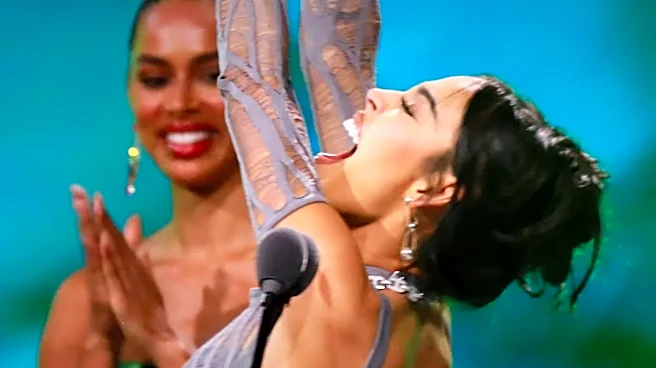
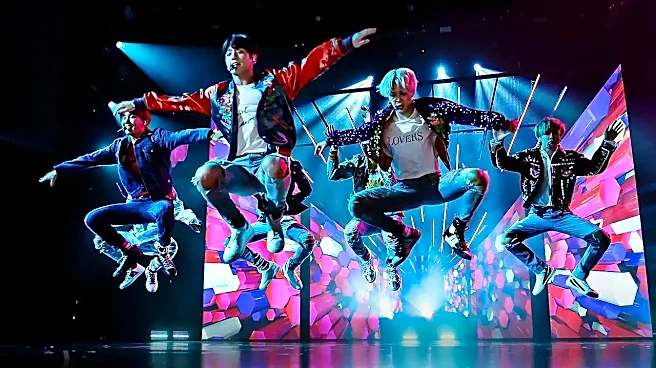
An award is an abstract concept, but a jaw-dropping performance is a tangible, shareable moment. Think back to any VMA ceremony; what comes to mind first? It’s rarely the acceptance speech for Best Cinematography. Instead, it’s a specific, electrifying
performance. Historically, moments like Madonna's 1984 rendition of "Like a Virgin" or her 2003 onstage kiss with Britney Spears and Christina Aguilera became pop culture touchstones. These spectacles are designed for maximum visual impact, creating an immediate public hunger for replays, analysis, and memes. A three-minute performance can generate more digital buzz than the entire two-hour telecast because it’s a self-contained story. This phenomenon is so powerful that a single awards show performance can cause an artist's streaming numbers to skyrocket by over 600%. The search spike isn't for the award; it's for the moment.
Fandom as a Digital Engine
In the modern era of pop music, fandoms are not passive viewers; they are active participants. Groups like Taylor Swift's "Swifties" or Beyoncé's "BeyHive" operate like highly organized digital campaign teams during awards shows. Their goal isn't just to see their favorite artist win; it's to ensure they dominate the online conversation. This includes coordinating hashtags, mass-voting in fan-voted categories, and, crucially, driving up search traffic for their idol's performance, red carpet look, or acceptance speech. This behavior is a form of digital currency, proving an artist's cultural relevance in real-time. For instance, even with Madonna leading the 2026 VMA nominations with a staggering 13 nods, data analysis suggested Taylor Swift's sustained fan engagement would likely make her the data-driven Artist of the Year. The award show simply provides the battlefield; the fans wage the war for online dominance.
Controversy and Novelty Are Clickbait
Nothing fuels a search query like confusion or outrage. Unscripted moments, onstage confrontations, and controversial artistic choices are potent drivers of search traffic. An infamous example is Kanye West's interruption of Taylor Swift's speech in 2009. Years later, a similar dynamic played out when Miley Cyrus's 2015 hosting gig and her confrontation with Nicki Minaj generated over 5.5 million searches combined. People rush to Google not just to see what happened, but to understand why it happened and to gauge public reaction. Novelty works the same way. At the 2026 VMAs, Taylor Swift was announced as the first-ever recipient of the Artist Director Honors, a brand-new award celebrating her work behind the camera. This unique recognition sparked immediate curiosity and online discussion among fans, demonstrating how even a new award category gains traction primarily through its connection to a major star.
The 'Second Screen' Experience
Few people watch major television events anymore without a phone or tablet in hand. This "second screen" experience is where the cultural conversation truly happens. While the VMAs air on television, audiences are simultaneously on social media platforms dissecting every outfit, reacting to every performance, and sharing viral clips. This creates a feedback loop. A moment gets buzz on X (formerly Twitter) or TikTok, prompting users to leave the app and search for the full video, details about an artist's dress, or the backstory to an onstage interaction. This digital ecosystem naturally atomizes the event, pulling individual artists and their specific moments out of the larger context of the awards ceremony. The show becomes a content farm, and individual artists are the most valuable crops.