





In an age of endless CGI, the tangible magic of practical effects often feels more terrifying than ever. Appreciating the gruesome, gooey craft behind the scares can make your Halloween movie marathon even better. Here's what to look for.
1. Transformative Prosthetics
Long before digital
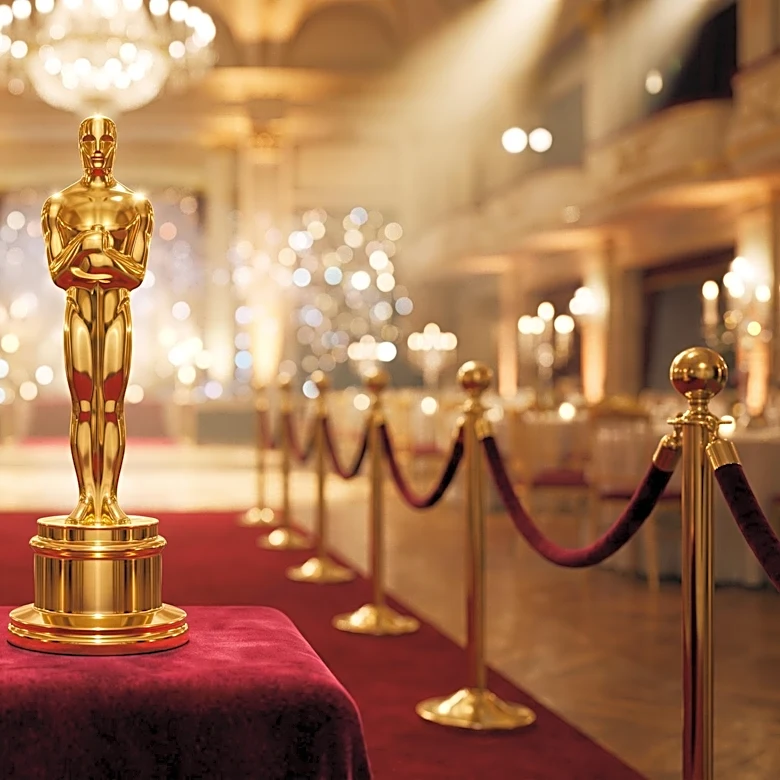
morphing, if you wanted to turn a man into a monster, you had to build it. This meant painstaking work with latex, makeup, and mechanical parts. The undisputed champion is Rick Baker's work in 'An American Werewolf in London'. The agonizing transformation scene, which earned Baker the first-ever Oscar for Best Makeup, wasn't just makeup; it was a series of 'change-o' heads and limbs that physically stretched and distorted. Baker’s team even filmed some hair-growth effects in reverse to create the illusion of it sprouting from the skin. It's a masterpiece of pain and physicality that feels shockingly real because, in a way, it was. Actors were subjected to hours in the makeup chair to sell the bone-crunching horror.
2. The 'Wet' Gag: Bladders and Pumps
When you need something to burst, gush, or explode, you turn to the wonderfully messy world of 'wet' gags. This is the secret behind horror's most shocking moments. The iconic chestburster scene in 'Alien' was achieved by packing a fake torso with animal organs and using high-pressure pumps to spray blood everywhere, genuinely shocking the cast. Then there's the infamous exploding head in David Cronenberg's 'Scanners'. Special effects artist Dick Smith created a plaster head, filled it with gory bits like 'leftover burgers', and had a technician blast it from behind with a shotgun. The result is a visceral, unforgettable moment of pure, practical carnage.
3. Complex Animatronics
Animatronics are sophisticated puppets, but in the hands of horror masters, they become living nightmares. Rob Bottin, a wunderkind in his early 20s, created the unbelievable creatures for John Carpenter’s 'The Thing'. The 'spider-head' and the chest-chomping defibrillator scene were marvels of engineering, using everything from hydraulics and radio controls to melted plastic and strawberry jam. These weren't just puppets; they were complex machines operated by dozens of technicians to create the illusion of a creature in constant, horrifying flux. The on-set cast reacted with genuine terror because they were facing a tangible, moving monster, not a green screen.
4. Unsettling Stop-Motion
There’s something inherently creepy about stop_motion animation. Its slightly jerky, unnatural movement can be more unsettling than smooth CGI. While Ray Harryhausen pioneered the technique in fantasy films, horror directors like Sam Raimi weaponized it in 'The Evil Dead'. The finale, where the demons rapidly decay into skeletons, was achieved with claymation models, animated one frame at a time. This method gives the sequence a surreal, dream_like quality that feels both handmade and otherworldly. The sheer patience required—moving a model a fraction of an inch for every single frame of film—is a testament to the dedication of these old_school artists.
5. Forced Perspective
This is one of cinema's oldest and most effective tricks. By manipulating the placement of actors and sets in relation to the camera, filmmakers can create illusions of size and distance. In horror, it's used to make hallways seem impossibly long or monsters appear unnaturally large. A classic example is the famous stretching hallway in 'Poltergeist'. The set was built on a moving track, so as the camera pulled back, the walls physically moved, creating a disorienting, nightmarish effect that was all done in_camera. It’s a trick that messes with your brain's understanding of space, making the familiar feel dangerously wrong.
6. Reverse Photography
Sometimes, the simplest tricks are the most effective. Reverse photography is exactly what it sounds like: filming an action and then playing the footage backward. This technique is perfect for creating supernatural phenomena that defy the laws of physics. In 'The Evil Dead', demonic vines appear to grow and wrap around a character; this was filmed by starting with the vines fully wrapped and then pulling them away, with the footage later reversed. It can also be used for things like making thrown objects hit a target with impossible accuracy or creating an uncanny sense of movement, as the slight 'off' feeling of reversed motion can make a character seem possessed or otherworldly.