




The Big Picture: It’s a Total Concept
Long before an artist steps onto the stage for Austin City Limits, a comprehensive visual strategy is in motion. It's far more than just a cool outfit. This is about building a cohesive world around the music. The process is often guided by a creative
director, a role dedicated to translating an artist's sound and personality into a tangible, visual language. This covers everything from album art and music videos to social media presence and, crucially, the live show. The goal is to create a singular narrative. Think of it as a brand identity, where every visual choice—from the font on the merch to the color palette of the stage lights—is intentionally aligned with the artist's core message.
Wardrobe as a Weapon
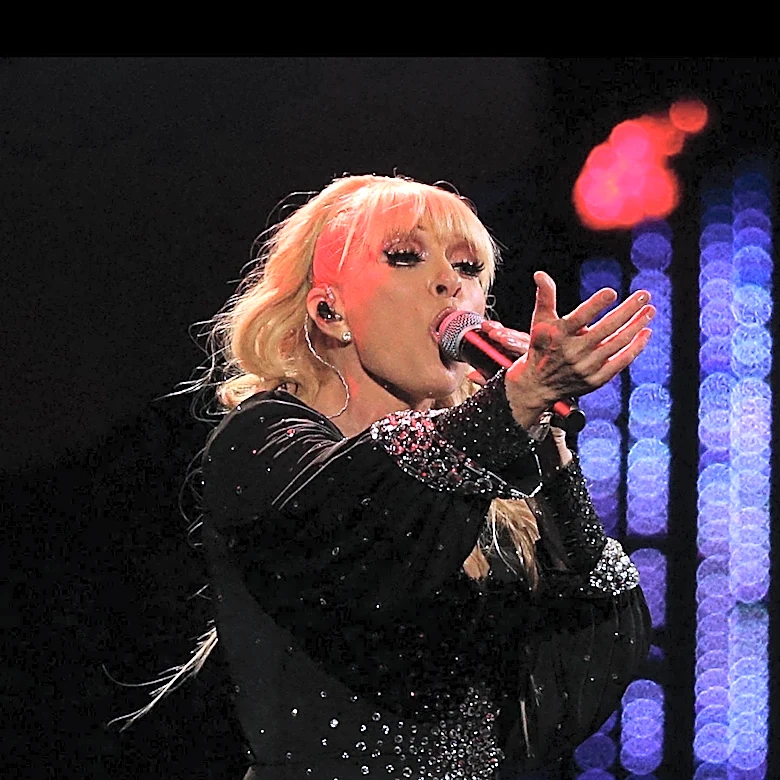
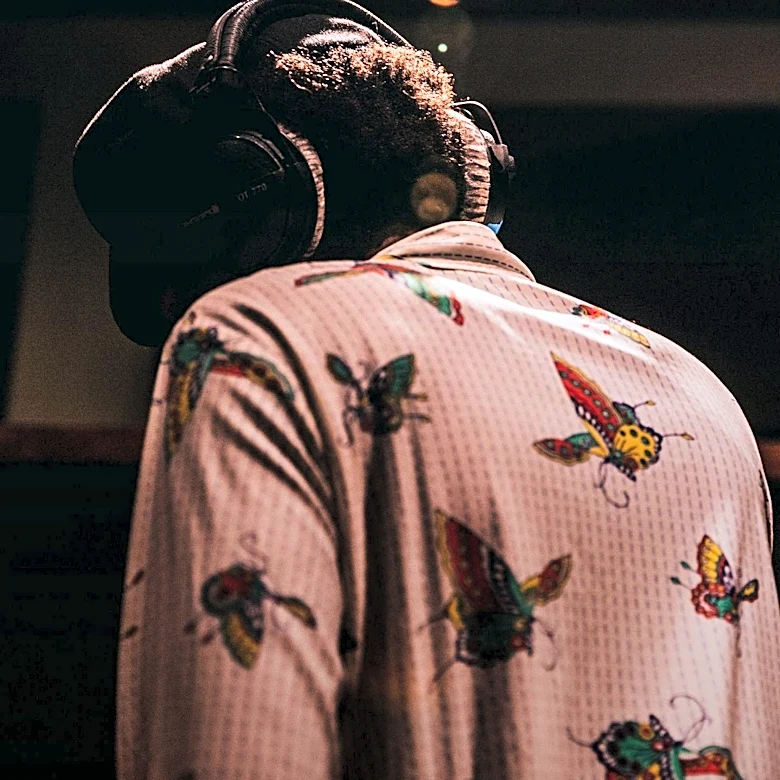
In a festival setting, with tens of thousands of fans, fashion isn't just about style; it's about visibility and impact. An outfit becomes a key part of the visual toolkit. Artists and their stylists focus on creating an iconic silhouette that’s recognizable from hundreds of yards away. Whether it's Florence Welch's ethereal, flowing dresses or Tyler, the Creator's distinct character-driven aesthetics, the clothing tells a story. Color is also critical. A bold, monochromatic look or a specific, recurring color scheme can cut through the visual noise of a festival. The wardrobe is a deliberate choice designed to enhance the performance and make the artist an unforgettable focal point against a massive backdrop. It's less about fleeting trends and more about creating a signature look that becomes synonymous with the music itself.
Painting with Light and Pixels
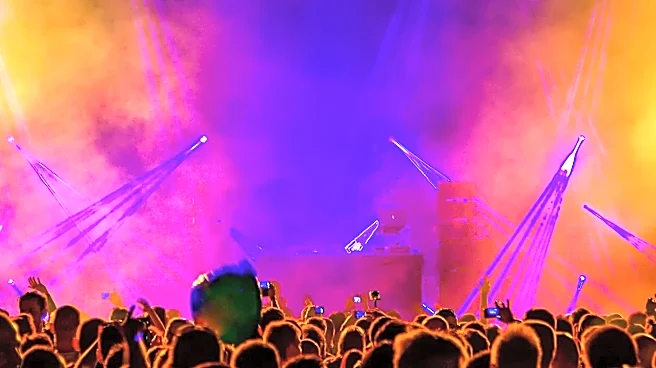
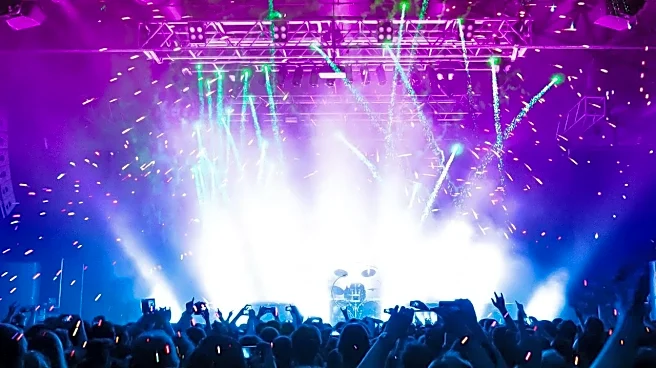
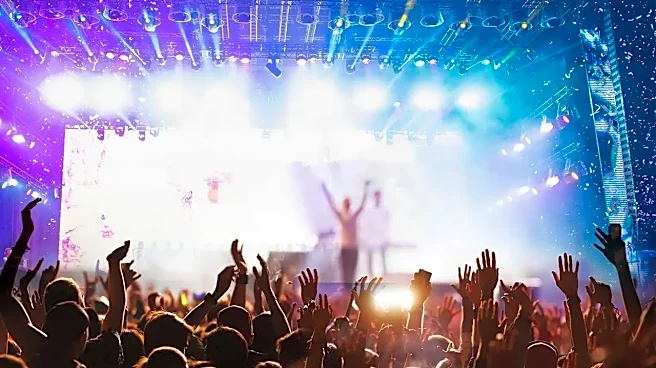
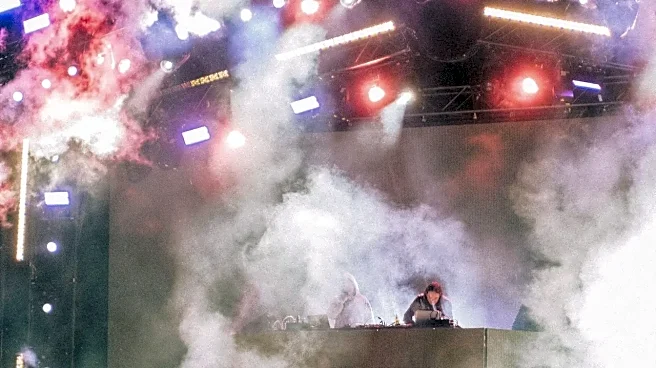
For headliners and artists playing after sundown, the stage itself becomes a canvas. Modern concerts are full-sensory experiences, and lighting and screen content are the primary brushes. Lighting designers choreograph colors, strobes, and shadows to match the emotional arc of the setlist, using deep reds for a dramatic solo or cool blues for a quiet ballad. Huge LED screens are no longer just for showing the artist's face to the back of the crowd. They are powerful storytelling tools, displaying custom-created visuals, abstract graphics that react to the music in real-time, and even pre-produced films that create a narrative. This visual arsenal transforms a static stage into a dynamic, immersive environment that reinforces the artist's brand and makes the show a memorable spectacle.
The Body as a Billboard
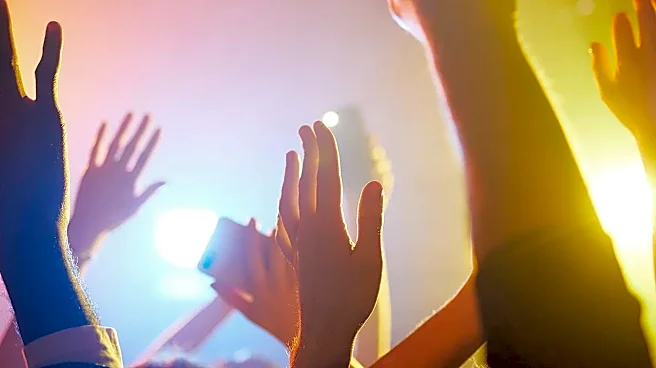
An artist's physical presence—how they move, interact with their band, and command the space—is the final, crucial layer of their visual identity. This isn't just about high-energy dance choreography. It's about developing a physical language that is uniquely theirs. Think of the contained, simmering energy of a rock frontman versus the joyful, expansive movements of a pop star. This body language is a form of communication that amplifies the music's message. Even something as simple as how an artist holds a microphone or walks across the stage is often a considered part of their persona. It’s the human element that connects all the other visual pieces—the clothing, the lighting, the screens—and brings the entire performance to life, making every person in the crowd feel like they are part of the experience.