

Fashion in a Time of Fantasy
The 1930s opened against the stark backdrop of the Great Depression, an era of economic hardship that made the escapism offered by Hollywood more essential than ever. Movie studios weren't just selling stories; they were selling dreams. A huge part of that fantasy
was the clothing. While the boyish, straight-lined silhouettes of the 1920s reflected a freewheeling spirit, the thirties saw a return to a more overtly feminine and sinuous shape. Waistlines returned to their natural place, and hemlines dropped. At the center of this world were studio costume designers like MGM’s Adrian and Paramount’s Travis Banton, who became unelected arbiters of style. They crafted looks for stars like Jean Harlow, Joan Crawford, and Marlene Dietrich that audiences craved, turning the silver screen into the world's most influential runway.
The Bias Cut and the Broad Shoulder
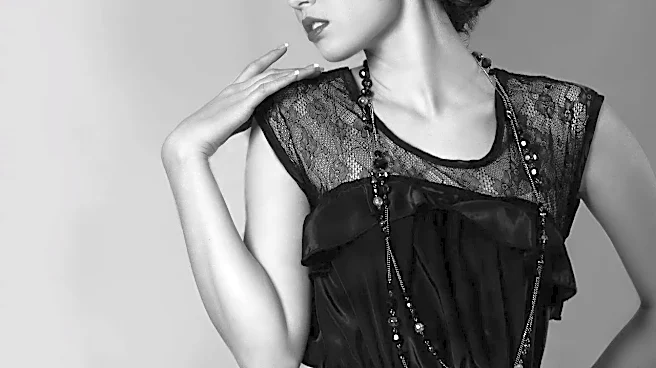
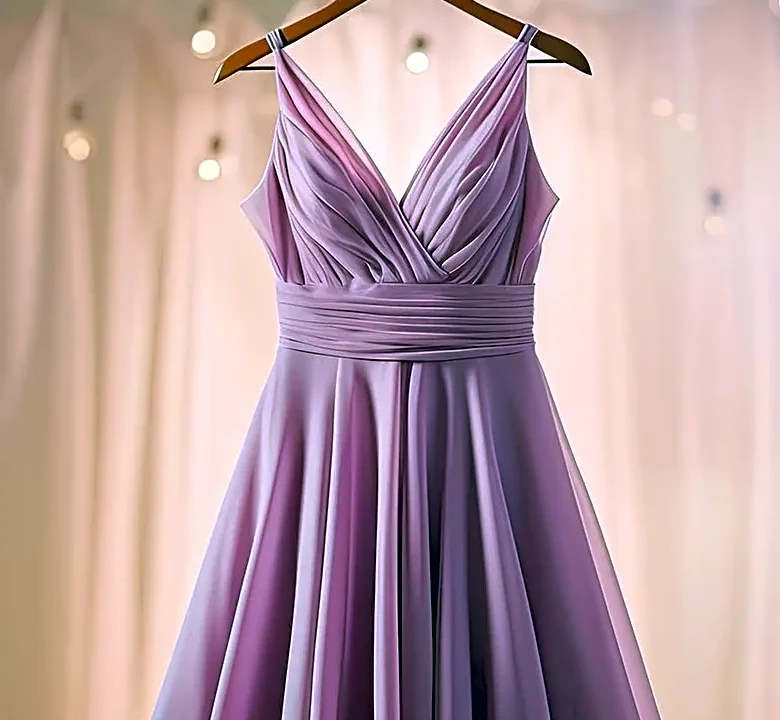
Two major silhouette innovations defined the decade, both amplified by Hollywood's reach. The first was the bias cut, a technique perfected by Parisian designer Madeleine Vionnet that involved cutting fabric at a 45-degree angle. This allowed materials like silk and satin to drape and cling to the body's curves in a fluid, elegant way, creating the slinky, liquid look synonymous with 1930s evening gowns. Actresses like Jean Harlow and Carole Lombard became icons of this sensual, sophisticated style. The second major shift happened at the top. Designer Adrian famously gave Joan Crawford broad, padded shoulders, partly to balance her proportions but also to create a look of bold confidence. This exaggerated shoulder became a hallmark of 1930s daywear, appearing on smart suits and dresses and creating a powerful, sculptural silhouette that would echo for decades.
Breaking Ground with Menswear
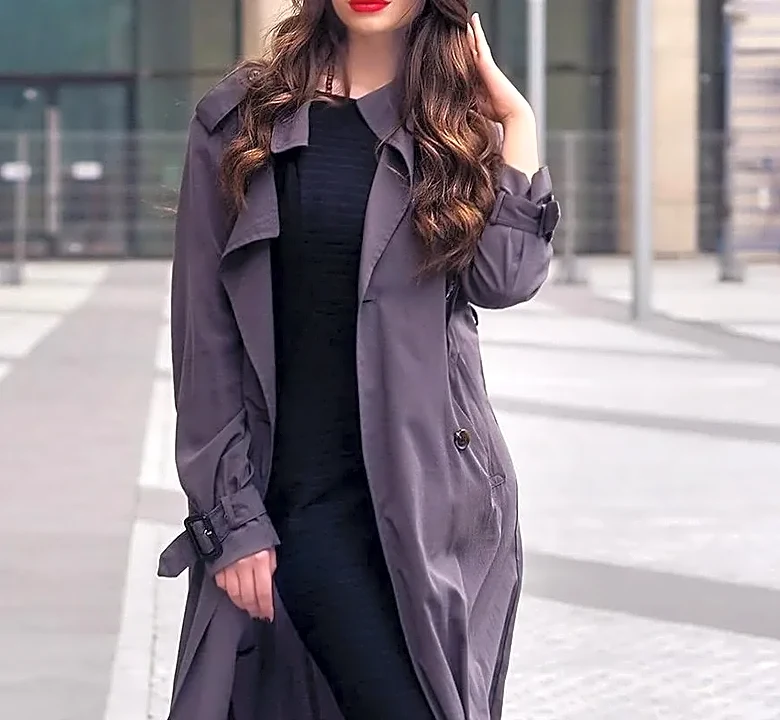
While slinky gowns defined evening glamour, another, more radical fashion movement was taking hold. Stars like Marlene Dietrich and Katharine Hepburn began championing menswear for women, both on and off screen. In the 1930 film "Morocco," Dietrich famously wore a tuxedo designed by Travis Banton, creating a sensation. It was a powerful statement of androgyny and independence that redefined what could be considered sexy. Similarly, Katharine Hepburn, with her outspoken personality and preference for wearing wide-legged trousers and tailored shirts, made comfort and practicality chic. She defied traditional expectations of femininity, paving the way for trousers to become a staple in women's wardrobes. This wasn't just a costume; it was a quiet revolution that laid the groundwork for everything from 1980s power dressing to today's fluid approach to gender in fashion.
The Lasting Echo on the Red Carpet and Beyond
The influence of 1930s Hollywood didn't end when the decade did. Its DNA is woven throughout modern fashion, often in ways we don't even recognize. The bias-cut evening gown, for example, had a massive revival in the 1990s and remains a timeless choice for red carpet events, prized for its effortless elegance. That strong, padded shoulder championed by Joan Crawford? It became the defining feature of the 1980s power suit, a direct descendant of Adrian's early vision of strength and style. And the rebellious spirit of Dietrich and Hepburn wearing trousers is now so mainstream it’s unremarkable—a testament to how profoundly they altered the course of everyday fashion. Even the way fashion was disseminated—with department stores creating affordable knock-offs of on-screen looks—set a template for the fast-fashion and celebrity-driven trend cycles we see today.