






The Anatomy of an Enforcer
Every dynasty needs an enforcer, the player willing to do the dirty work. In the world of global soccer, few have embodied this role more completely than Sergio Ramos. For nearly two decades, the Spanish center-back has been a master of the “dark arts”—the
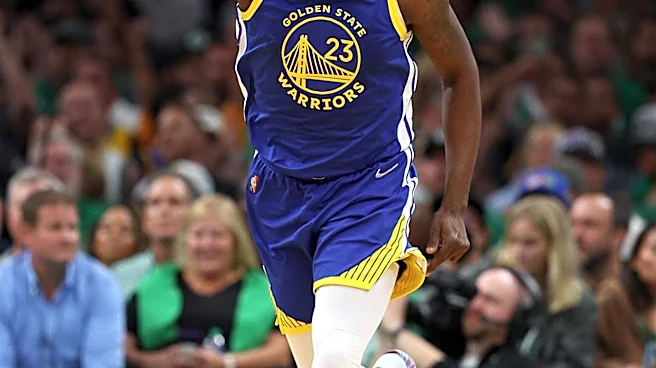
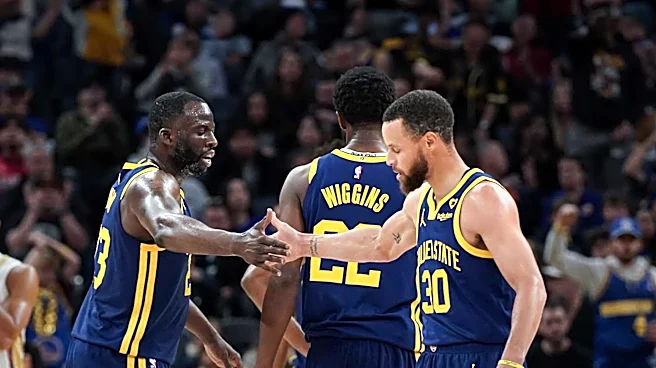
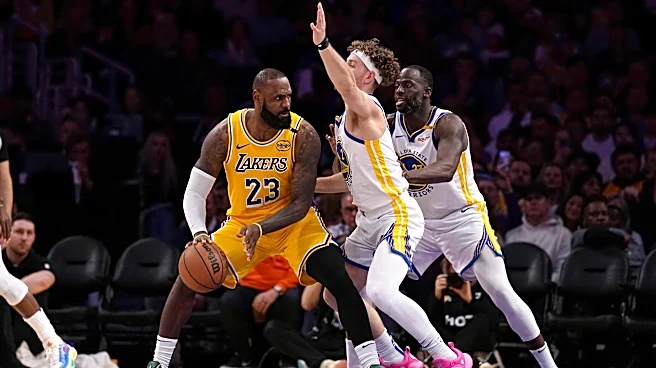
tactical foul to stop a counterattack, the subtle intimidation of a star forward, and an aggressive style that has made him one of the most feared defenders of his generation. His game is a cocktail of world-class defensive instincts, impeccable timing, and a willingness to get physical that often crosses the line. He reads the game like a grandmaster, but plays it like a bouncer. Across the Atlantic, on the hardwood of the NBA, Draymond Green has forged a similar legacy. As the defensive anchor and emotional engine of the Golden State Warriors, Green’s impact defies traditional stats. He is a defensive genius whose 6-foot-6 frame plays with the force of a much larger man, thanks to his otherworldly basketball IQ, relentless trash talk, and a confrontational style that unnerves opponents and, frequently, referees. Like Ramos, his value is measured not just in points or steals, but in psychological dominance.
The Price of the Edge
This winning edge comes at a significant cost. For Ramos, it’s a disciplinary record that is almost as famous as his trophy collection. He holds the unenviable record for the most red cards in the history of several competitions, with a career total that has reached 30. Each sending-off is a chapter in a long story of a player who lives on the very edge of the rules, and often steps over it. Draymond Green’s rap sheet is the NBA equivalent. He is a perennial league-leader in technical fouls and has been suspended at critical moments, most famously during the 2016 NBA Finals for accumulating too many flagrant foul points. That suspension is widely seen as a turning point that cost the Warriors a championship. From kicking opponents to stomping on them, Green’s history of “unsportsmanlike acts” means he often plays with a target on his back from league officials.
But the Trophies Don't Lie
For all the controversy, the argument for Ramos and Green is etched in silver. Their methods, while polarizing, produce championships. Ramos was a cornerstone of a Real Madrid team that won four UEFA Champions League titles in five years and was a key part of the Spanish national team that won a World Cup and two European Championships. His knack for scoring crucial, often late, goals in the biggest moments adds another layer to his legend. Similarly, Draymond Green is the heartbeat of a Warriors dynasty that has captured four NBA championships. His ability to guard every position on the floor, facilitate the offense, and elevate the play of his superstar teammates is indispensable. The numbers prove his worth: with him on the court, the Warriors are a defensive juggernaut; without him, they are pedestrian. This is the paradox: the very actions that draw widespread criticism are intertwined with their teams' historic success.
The Player You Hate, But Want
While opposing fans and players revile them, their own teammates view them as the ultimate protectors. Ramos was the longtime captain of Real Madrid, a leader whose ferocity was seen as a shield for his teammates. Green is celebrated within the Warriors' locker room as the team's vocal leader and communicator, the one who holds everyone accountable and will go to war for them. This archetype—the player you hate to play against, but would love to have on your team—is a staple of championship rosters. They absorb the hate, set the tone, and create a protected environment for the more skill-focused stars to thrive. They are the necessary ingredient that makes a great team formidable.