


From Sprawling Epic to Claustrophobic Thriller
Game of Thrones defined itself by its sprawl. Its danger was vast and geographical: a Dothraki horde across the sea, a frozen army beyond the Wall, a vengeful lioness in a castle hundreds of miles away. The threat was always *out there*, marching closer.
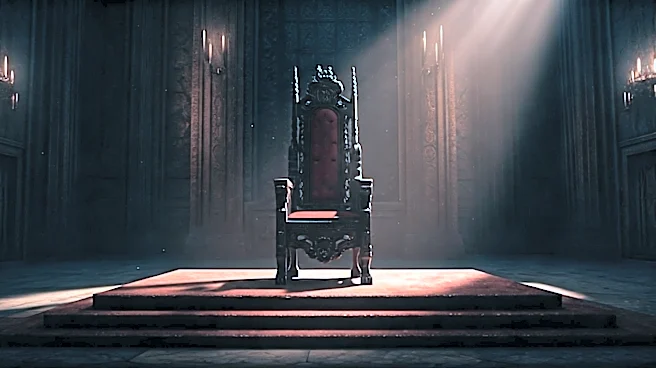
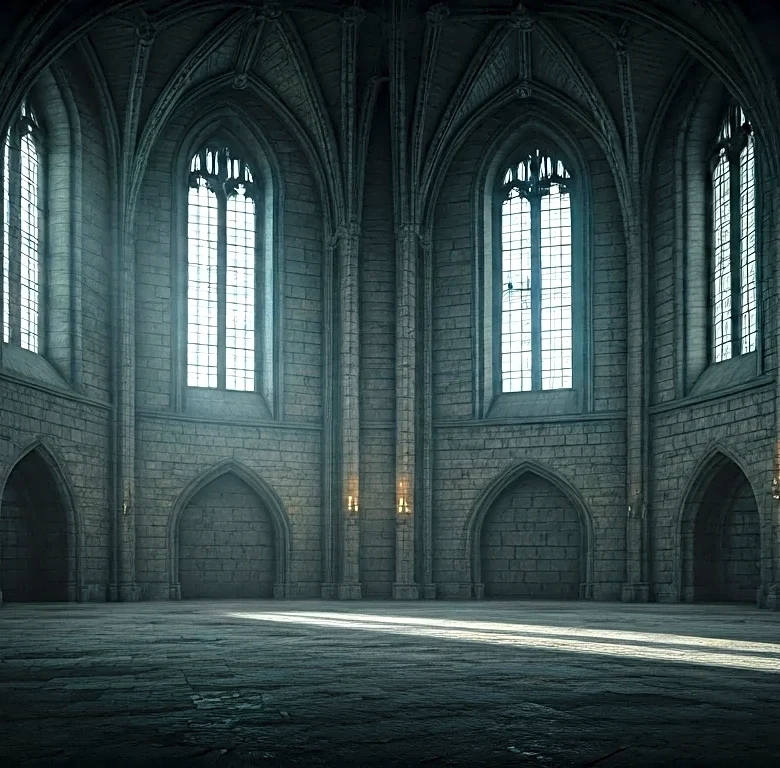
House of the Dragon brilliantly inverts this. It trades the world map for a single castle and, occasionally, a single island. The danger isn’t across the continent; it’s across the dinner table. The show creates a sense of suffocation by locking its characters—and the audience—inside the Red Keep. Every whispered conversation in a corridor, every loaded glance during a small council meeting, feels more threatening than a battle scene because there is no escape. The walls aren't just protecting the Targaryens; they're trapping them with their own worst enemies: each other.
The Terror of Knowing What’s Coming
The original series built its reputation on shock. The Red Wedding, Ned Stark’s execution—these moments were designed to pull the rug out from under you, proving no one was safe. House of the Dragon takes the opposite approach. For anyone familiar with George R.R. Martin’s lore, the ending is already written. We know the Targaryen civil war, the “Dance of the Dragons,” will decimate their house and their dragons. The show weaponizes this dramatic irony. The horror isn’t in the surprise, but in the inevitability. We’re forced to watch people we’ve come to care about make the small, petty, deeply human choices that lead to an unstoppable catastrophe. Every perceived slight, every bitter resentment, every broken promise becomes a footstep on the path to ruin. The tension comes from screaming at the screen, “Don’t you see where this is going?” knowing full well they can’t.
Weaponizing the Family Drama
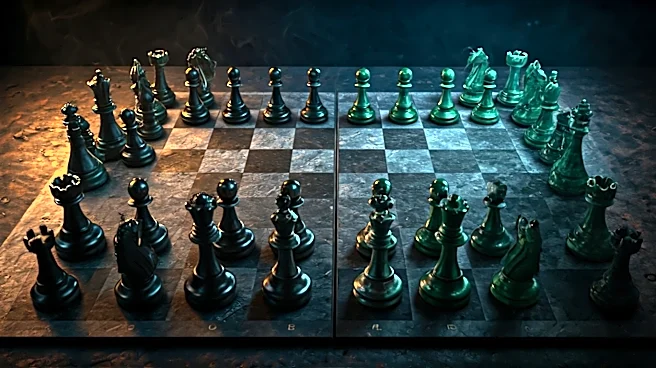
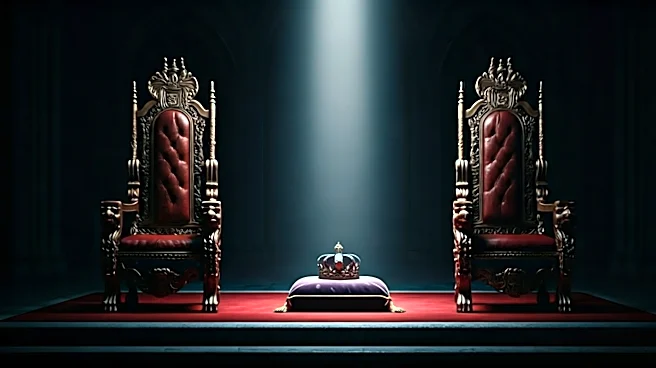
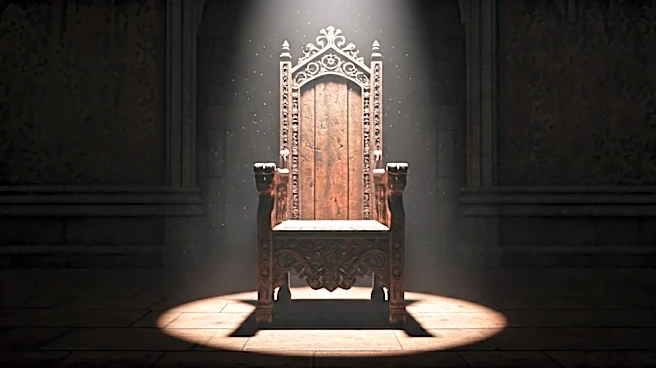
While Game of Thrones was a story of warring houses—Stark vs. Lannister, Baratheon vs. Targaryen—House of the Dragon is a story of one house imploding. It takes the most relatable conflicts imaginable and blows them up to a realm-shattering scale. This is a show about a father who loves his daughter but is bound by patriarchal tradition; a daughter desperate for her father’s approval; a resentful younger brother; a best friend who feels replaced and betrayed. These aren't high-fantasy tropes; they are the ingredients of a terrestrial family drama. By grounding the conflict in these intimate, painful dynamics, the show makes the political personal. Rhaenyra and Alicent’s broken friendship is the fault line upon which the kingdom will crack. The fight for the Iron Throne is, at its heart, a toxic inheritance dispute, making the resulting war feel less like a clash of armies and more like a family tragedy of apocalyptic proportions.
Power over Prophecy
The White Walkers. The Lord of Light. The Prince That Was Promised. Game of Thrones was ultimately preoccupied with prophecy and a great, existential struggle between ice and fire. The danger was often mystical and otherworldly. House of the Dragon is almost completely uninterested in that. While the “Song of Ice and Fire” prophecy is mentioned, the show’s true engine is raw, unvarnished human power. The conflicts aren’t driven by ancient magic but by ambition, legitimacy, and the simple, brutal question of who gets to make the rules. The danger here is purely political and psychological. It’s the fear of being made irrelevant, of being passed over, of seeing your children’s birthright stolen. The most terrifying monsters in this story aren’t ice zombies; they are insecure men and underestimated women pushed to their breaking point.