



More Than Just a Costume
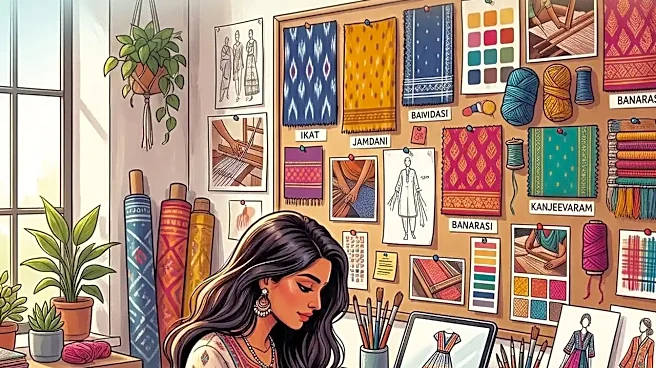
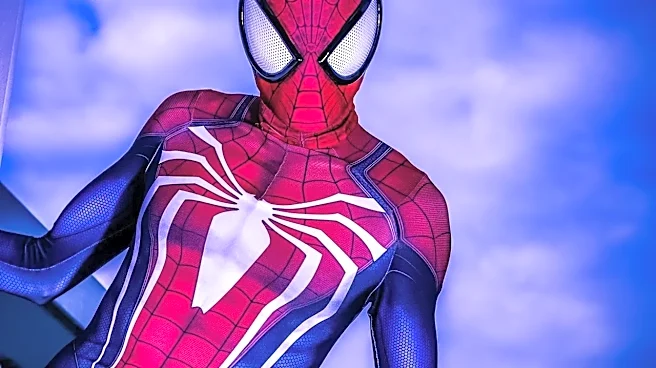
First, let's define our terms. This isn't about throwing on a store-bought Spidey suit. 'Screen accurate' is a level of cosplay devotion that borders on forensic replication. It involves intense study of source material, pausing movies to analyze fabric
weaves, and hunting down the exact same buttons or jacket zippers used by the film's actual wardrobe department. These creators spend hundreds, sometimes thousands, of hours and dollars to perfectly mirror what was seen on screen. The goal is to create a costume so precise it could be mistaken for a production-used original. This isn't just about dressing up as a character; it's about embodying the work of the original costume designer with painstaking fidelity, a process that requires artistry, engineering, and deep passion.
The Unofficial Marketing Army
Here's where the 'effect' kicks in. When a cosplayer nails a screen-accurate build, especially of a new or trending character, they become a walking, talking advertisement. Photos and videos of their creation spread like wildfire across social media platforms. Fans of the show or movie share it, celebrating the incredible craftsmanship. For those unfamiliar with the property, the costume itself becomes the hook. It’s organic, authentic, and carries an endorsement that no studio-produced ad can buy. This user-generated content acts as a powerful marketing machine, building and sustaining hype for a film or series long after its release window. Studios get free, high-impact promotion from their most dedicated fans, who are, in essence, volunteering their time and money to promote the brand.
A Designer's Double-Edged Sword
For the original costume designers, this trend is both flattering and fraught with pressure. On one hand, seeing their work meticulously recreated is the ultimate compliment, proof that their designs connected with audiences on a profound level. It validates their art. On the other hand, this intense fan scrutiny creates a new kind of pressure. Designers know that every seam, every piece of hardware, will be analyzed by a global community of experts. This can influence design choices, pushing for looks that are not only narratively sound but also replicable and visually distinct. Furthermore, the studios themselves are becoming increasingly aware of this dynamic, sometimes forming focus groups with super-fans to gauge reactions to marketing and design decisions before they even go public.
The Passion, The Price, and The Payoff
So why do cosplayers do it? The motivation is rarely financial. It's a pursuit of personal excellence, a way to connect deeply with a beloved story, and a method of finding community. The 'payoff' is the moment at a convention when someone recognizes the character and appreciates the immense effort involved, or when a photo of their work goes viral. It's a form of creative expression and identity exploration. However, this relationship is not always symbiotic. While studios and networks benefit immensely from this free labor, the individual fan foots the entire bill. They are the consumer, the creator, and the marketer, all rolled into one, blurring the traditional lines of commerce and fandom in a way that is defining a new era of pop culture engagement.