






What Is the Lucky Snack Theory?
On its face, it’s simple. The Lucky Snack Theory is the belief, held loosely or with the conviction of a zealot, that the food and drink consumed during a game directly influence the outcome. It’s the modern evolution of classic sports superstition, moving
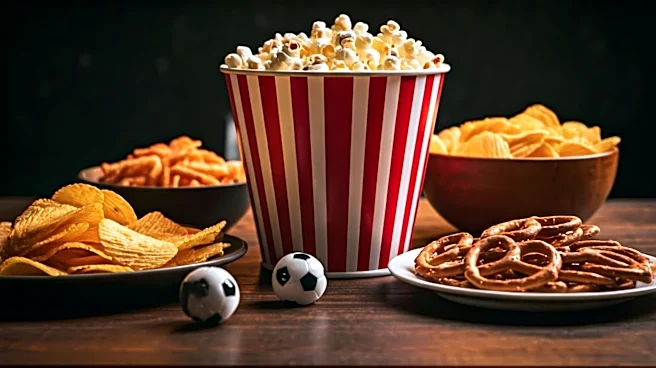
beyond an unwashed jersey or a favorite chair and into the communal bowl of guacamole. This isn’t just about having snacks at a party; it’s about curating a very specific menu for victory. Did the U.S. Men’s National Team secure a crucial win the last time you served buffalo chicken dip? Then that dip is no longer just a snack—it's a non-negotiable part of the game day roster. Conversely, if you tried a new brand of artisanal pretzels during a devastating loss, those pretzels are now banished, possibly forever. The theory operates on a simple, unscientific, yet emotionally powerful logic: correlation as causation. It transforms passive consumption into active participation.
The Psychology of Control
So, why do seemingly rational people put so much faith in a bag of chips? It’s all about control. Watching your team in a high-stakes tournament like the World Cup or Copa América is an exercise in helplessness. You have zero actual influence over the players’ performance, the referee’s calls, or a ball deflecting off the post. This lack of agency is stressful. Superstitions, like adhering to a lucky snack, create what psychologists call an “illusion of control.” By performing a specific ritual—eating the “winning wings” or avoiding the “cursed calamari”—fans feel like they are contributing to the effort. They are doing their part. This behavior provides a comforting structure in a chaotic environment. It’s a way to manage the intense anxiety that comes with passionate fandom. Your snack regimen gives you a job to do, a way to channel your nervous energy into something that feels productive, even if you logically know it makes no difference.
From Personal Quirks to Group Rituals
What starts as one person’s quirky habit often evolves into a powerful group ritual. At a watch party, the Lucky Snack Theory becomes a communal pact. The host who insists on using the “undefeated” serving bowl isn’t just being weird; they are acting as the high priest of the group’s superstitions. When a whole room agrees that “we only drink *this* brand of light beer when we’re winning,” the snack or drink becomes a totem. It reinforces group identity and creates a shared narrative. You aren’t just 12 individuals watching a screen; you are a collective, bound by a common goal and a shared belief in the power of seven-layer dip. These rituals build a specific kind of camaraderie, forged in the fires of mutual anxiety and hope. The story of the snack—”Remember that time we almost switched to the other salsa at halftime and immediately conceded a goal?”—becomes part of the friend group’s lore, as important as the memory of the game itself.
The Unwritten Rules of Game Day Food
The beauty of the Lucky Snack Theory is its infinite customizability. There are no universal rules, only deeply personal or hyperlocal ones. For one group, it might be a specific pizza topping combination from a local joint. For another, it could be the complete absence of a certain food group until after the final whistle. Some fans might have an “offensive” snack (eaten when their team has the ball and is pushing forward) and a “defensive” snack (a more cautious, calming food for when the team is under pressure). The theory also has a dark side: the jinx. Bringing a new, untested snack to a watch party is a high-risk maneuver. If the team loses, that snack—and potentially the person who brought it—will be forever associated with the defeat. It’s a fun, low-stakes way of creating order and meaning where there is none, turning every trip to the grocery store before a big game into a tactical mission.