
The High-Wire Act of 'Effortless' Layers
On the surface, a shag looks messy and undone by design. This is its greatest appeal and its biggest deception. The truth is, a good shag is a masterclass in precision layering and weight removal. A stylist has to perfectly balance removing bulk to create
movement without making the hair look thin or creating an accidental mullet. One of the biggest mistakes a stylist can make is taking too much weight out of the middle and bottom layers, which can collapse the shape. This technical skill is a significant point of division. An experienced stylist who has mastered controlled, textured cutting can create a bespoke shape that grows out beautifully. In less experienced hands, however, the same cut can result in choppy, disconnected layers that are difficult to manage.
The Great Hair Type Debate
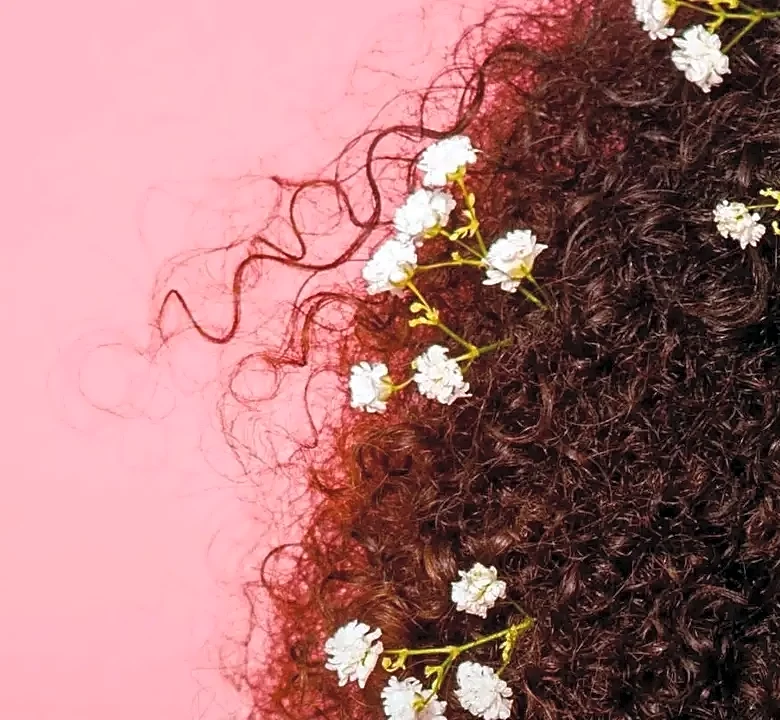
Many salon look-books and social media posts present the shag as a universally flattering cut for all hair types. This is a major point of contention among professionals. Many experienced stylists argue that the ideal canvas for a shag is hair with a natural wave or curl and medium-to-thick density. For these clients, the layers work with the hair's texture to create natural volume and movement. The disagreement deepens when it comes to very straight or fine hair. While some pros say it can add volume, others caution that removing weight from fine hair can make it look sparse and stringy. Similarly, for very curly hair, an improperly executed shag can disrupt the curl pattern or create frizz. The debate isn't that these hair types can't have a shag, but that it requires a much more customized, careful approach that some stylists feel is often overlooked in the rush to follow the trend.
Managing the 'Wash-and-Go' Myth
The shag is often marketed as a low-maintenance, 'I woke up like this' style. While it can be easier to manage than a high-maintenance bob, stylists often find themselves battling the myth that it requires zero effort. A good shag almost always needs some product—like a texture spray or mousse—and a little styling to look its best. An honest caveat from stylists is that 'effortless' is a low-fuss style, not a no-effort one. The disagreement arises when clients, inspired by perfectly styled photos, expect a true wash-and-go experience. This creates a gap between expectation and reality that falls on the stylist to manage. A crucial part of a good shag consultation involves a frank discussion about the client's daily routine and willingness to spend even five minutes styling their hair.
Trend vs. Timeless: A Philosophical Divide
Finally, stylists disagree on the shag's place in the hairstyle ecosystem. Is it a fleeting trend or a timeless classic? Its roots are in '70s and '80s rock and roll, giving it a rebellious edge. The modern shag is softer and more versatile, but some stylists remain wary of pushing a heavily layered, trend-driven cut on clients who may not be ready for the commitment or the grow-out period. Others see it as an endlessly adaptable classic that can be personalized for almost any client. This philosophical divide influences which stylists champion the cut and which ones gently steer clients toward more classic, less layered shapes. The decision often comes down to a stylist's personal aesthetic and their philosophy on balancing what's fashionable with what's most suitable for the individual in their chair.