




First Things First: What Is Gauge?
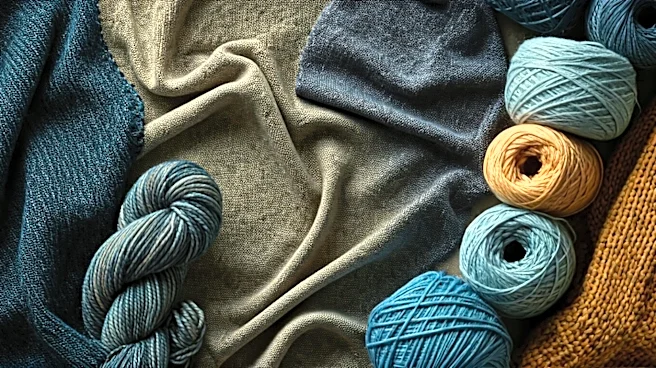
At its core, knitwear gauge is a simple concept: it’s the number of stitches per inch of fabric. A higher gauge number means more stitches are packed into that inch, created with thinner yarn and finer needles. This results in a fabric that is lighter,
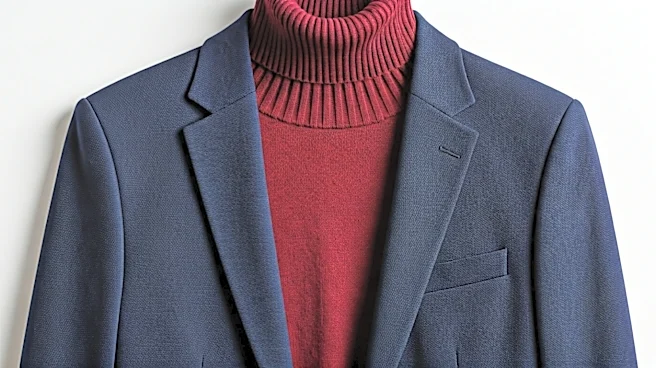
smoother, and more dense. Think of a sleek merino wool turtleneck that layers perfectly under a blazer. Conversely, a lower gauge number means fewer stitches per inch, usually made with thicker yarn. This creates a chunkier, heavier, and more textured knit, like a classic fisherman’s sweater. It’s not a measure of quality—a low-gauge sweater can be just as luxurious as a high-gauge one—but a descriptor of the fabric's character, density, and feel.
Low Gauge: The Chunky Statement
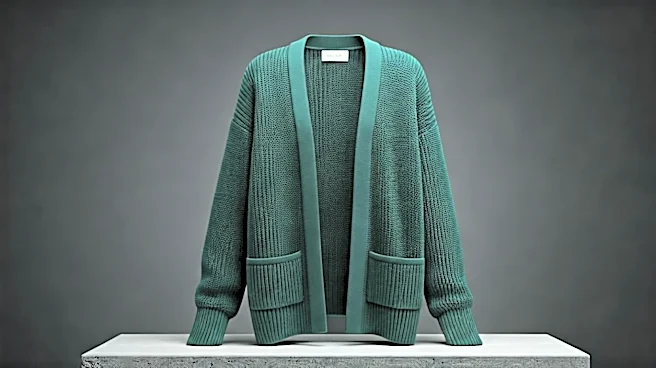
When you think of a cozy, rugged sweater to wear on a brisk autumn day, you’re picturing a low-gauge knit. With fewer stitches per inch (think 3-gauge to 7-gauge), these garments are defined by their substantial feel and visible texture. The looser knit structure traps more air, providing excellent insulation and warmth. This makes low-gauge sweaters ideal as outerwear or as a statement piece in a layered outfit. Designers use low gauge to create architectural shapes and highlight textural patterns like Aran cables or chunky ribbing. The result is a garment that feels protective and comforting, with a visual weight that commands attention. Its purpose is less about blending in and more about standing out with tactile confidence.
High Gauge: The Refined Layering Hero
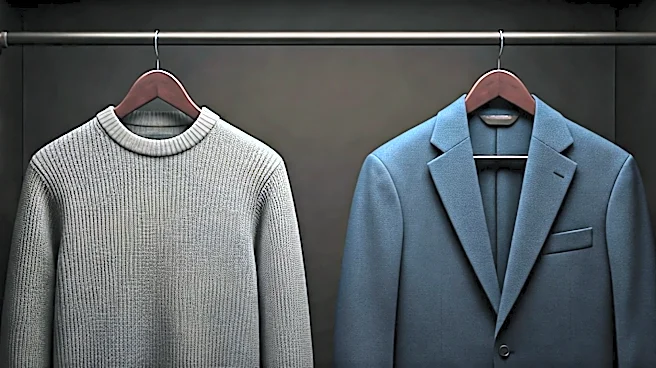
High-gauge knits are the unsung heroes of a versatile wardrobe. Typically ranging from 12-gauge upwards, these pieces are crafted with many fine stitches packed closely together. The result is a fabric that is lightweight, smooth, and drapes beautifully against the body. High-gauge sweaters, like those made from fine cashmere or merino wool, offer warmth without bulk, making them the ultimate layering piece. They slide effortlessly under a suit jacket, over a dress shirt, or can be worn on their own for a look of quiet sophistication. While a chunky low-gauge sweater makes a bold statement, a high-gauge knit excels in subtlety and refinement, feeling almost like a second skin.
Putting Your Knowledge to Work
So how does this translate from the runway to your closet? Understanding gauge helps you shop smarter and build a more functional wardrobe. When you see a sweater online, check the description for the gauge number. If you’re looking for a substantial piece for winter warmth, a 5-gauge or 7-gauge knit is a great bet. If you need a versatile, all-season sweater that can be dressed up for the office, look for a 12-gauge or higher. Gauge also dictates the drape and silhouette. A low-gauge knit will have a more structured, almost boxy shape, while a high-gauge knit will follow the lines of the body more fluidly. By paying attention to gauge, you’re no longer just buying a sweater; you’re choosing a garment based on its intended purpose, feel, and function, ensuring it works perfectly for the occasion you have in mind.