
The End of the Boho Bride?
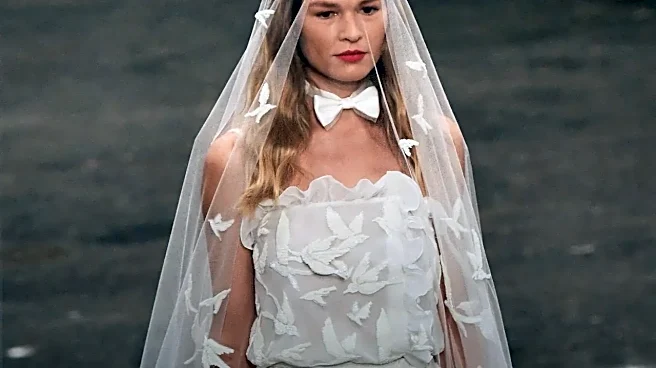
After a decade dominated by soft, flowing skirts and minimalist slip dresses, bridal fashion is embracing a renewed sense of formality and structure. The free-spirited, flower-crowned bride of the 2010s is making way for a more architectural figure, and the change
is starting at the core—literally. Designers are turning to corsetry not just as hidden support, but as the central design feature of their gowns. This isn't about historical reenactment; it's a modern interpretation that uses traditional techniques to create a silhouette that feels both powerful and new. The result is a move away from effortless ease and toward intentional, sculpted elegance.
What is Long-Line Corsetry?
Forget the simple bodices of the past. A long-line corset extends significantly below the natural waistline, sometimes reaching the upper hips. This creates a visually elongated torso, giving the bride a statuesque, lengthened appearance. Often, this style incorporates a 'basque waist,' which dips into a V- or U-shape at the front. This design trick draws the eye downward, enhancing the illusion of height and creating a defined hourglass shape. Unlike restrictive historical corsets, today’s versions are engineered for modern comfort while delivering a powerful visual impact, providing support and shape without sacrificing movement.
Redrawing the Bridal Silhouette
The primary effect of the long-line corset is a dramatic shift in proportion. By lowering the waistline, designers create a new foundation for the rest of the gown. A full ball gown skirt attached to a basque waist feels grander and more regal. When paired with a sleek mermaid or sheath skirt, the elongated bodice provides a striking, high-fashion contrast between the structured top and the fluid bottom. In recent collections, designers like Vera Wang and Pronovias have showcased gowns where this construction is the main event, sometimes featuring visible boning through sheer lace or tulle, turning the dress's architecture into a deliberate aesthetic statement.
Why Is This Happening Now?
The trend isn't emerging in a vacuum. The immense popularity of period dramas has re-familiarized audiences with historical silhouettes, from Regency grace to Victorian romance. These shows often present corsetry not as oppressive, but as a tool of refined, feminine power, making it feel aspirational. Furthermore, after years of casualwear dominating daily life, there is a collective swing towards formality and dressing up for special occasions. A structured, corseted gown is the antithesis of sweatpants; it’s an unapologetic celebration of form, craftsmanship, and the significance of the moment.
The Allure of Architectural Beauty
For the modern bride, the appeal of a long-line corset is twofold. First, it offers an incredible sense of security and support, sculpting the body in a way that can feel both empowering and comfortable throughout a long wedding day. Second, it makes a clear stylistic statement. A bride who chooses a gown with a dramatic basque waist or visible boning is opting for a look that is intentional, confident, and fashion-forward. It moves beyond simple prettiness into the realm of architectural beauty, where the lines and structure of the gown are as important as the fabric and embellishments. It's a choice that says romance and strength can, and do, coexist beautifully.