








It Starts with a Philosophy, Not a Product
To understand the pull of Balinese wellness, you first have to understand 'Tri Hita Karana.' It’s the core philosophy of Balinese life, translating to the “three causes of well-being.” This concept centers on maintaining harmony in three key relationships:
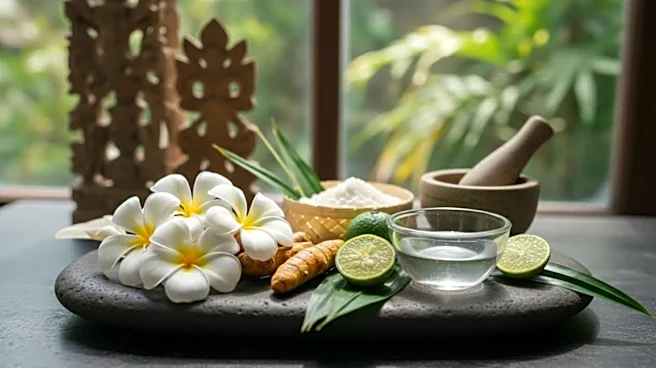
with the divine, with other people, and with the natural world. In Bali, beauty isn't separated from spirituality or nature; it's an expression of this balance. Daily life is filled with small rituals, like the 'canang sari' offerings of flowers and incense, that reinforce this connection. These practices aren’t about indulgence but about functionality and balance. When Americans buy a Balinese-inspired product, they are, often unknowingly, tapping into a desire for this very sense of holistic harmony in a world that often feels fractured.
Ancient Rituals for Modern Ailments
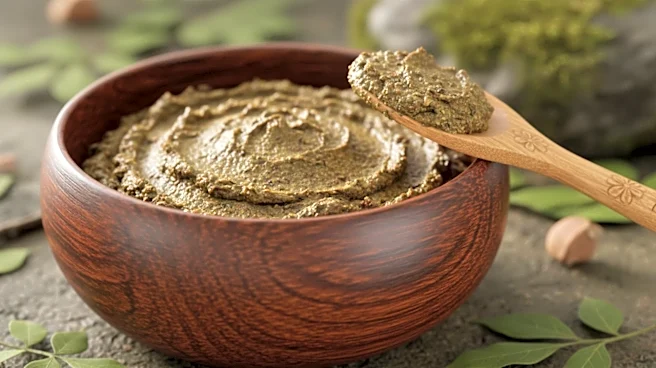
Two key rituals that have found their way into Western spas are 'Lulur' and 'Boreh.' They aren’t just body scrubs; they are centuries-old treatments with specific purposes. The 'Lulur' scrub, which originated in the royal palaces of 17th-century Java, was a pre-wedding ritual for princesses. A paste of rice flour, turmeric, and other spices was used to soften and brighten the skin over 40 days. It was a beautifying and purifying ceremony. 'Boreh', on the other hand, is considered “village medicine.” This warming paste of spices like ginger, clove, and cinnamon was traditionally used by rice farmers to ease sore muscles and improve circulation after a long day in the fields. It generates a deep, therapeutic heat. While Lulur is for beauty, Boreh is for healing. Their growing popularity in the U.S. speaks to a modern desire for treatments that do more than just improve appearances—they offer a sense of restoration and care rooted in tradition.
The Social Media Effect and the Search for Authenticity
Of course, you can't ignore the power of aesthetics. The 'Eat, Pray, Love' effect first put Bali on the spiritual tourism map, and in recent years, social media has amplified its image as a wellness paradise. Influencers posing in flower baths and at serene water temples have turned ancient rituals into a visual trend. But this visual appeal is just the entry point. The post-pandemic wellness boom created a massive demand for self-care practices that felt more meaningful than just a face mask. Consumers are increasingly looking for authenticity, natural ingredients, and a story behind their products. Balinese rituals, with their ties to herbal medicine like the 'Jamu' tonic—a traditional anti-inflammatory drink made from turmeric and ginger—perfectly fit this demand. They offer a tangible connection to nature and a sense of slow, mindful ritual that is often missing from fast-paced American life.
Admiration vs. Appropriation
The commercialization of these sacred practices raises important questions. When a 'purification' ritual becomes a backdrop for a selfie, or a brand uses the name 'Bali' without any connection to its culture or people, it can stray into cultural appropriation. True appreciation requires understanding and respect for the source. Many Balinese leaders are navigating the tension between sharing their culture and protecting it from becoming a mere commodity. For consumers, the real value lies not just in buying the product, but in understanding the philosophy behind it. It's about recognizing that these rituals are part of a living culture built on a profound respect for balance. The real reason these rituals took off is that they offer something many Americans are desperately seeking: a way to feel connected, grounded, and whole.