





Play #1: Define Its Core Need
No Pixar character, living or inanimate, is just a thing. They are a bundle of wants. Wall-E isn’t just a trash compactor; he’s a lonely soul desperate for connection. Forky isn’t just a spork; he’s an object grappling with a sudden, confusing existence,
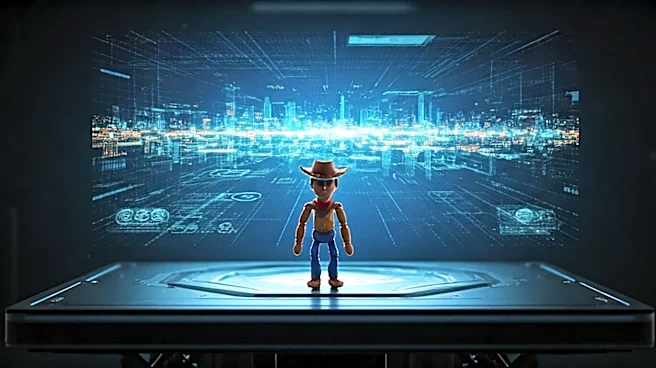
yearning for the comfort of the trash. This is the first and most crucial step. A tablet character can’t just be a screen that displays things. It needs a driving motivation. Is it a child’s tablet desperate for the user’s attention, feeling abandoned when the kid goes outside to play? Is it an old, outdated model terrified of being replaced by a newer, faster version? This core emotional need—loneliness, fear of obsolescence, a desire to be useful—is the engine that will power its entire personality.
Play #2: Create a Flawed Purpose
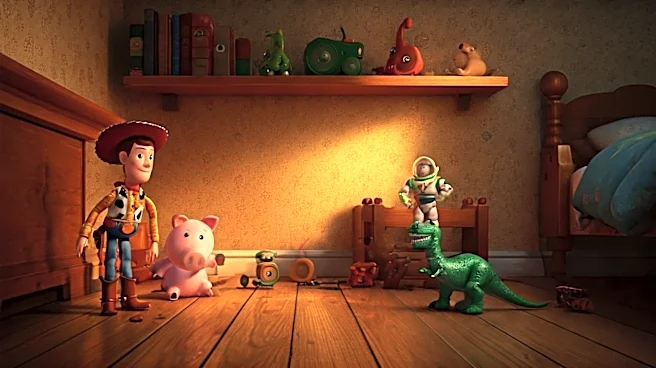
Pixar’s most memorable characters are defined by a fundamental misunderstanding of their own purpose. Buzz Lightyear believed he was a real Space Ranger on a mission, not a mass-produced toy. This delusion created conflict, comedy, and ultimately, a powerful character arc. A tablet in Toy Story 5 could easily fall into this trap. Perhaps it believes it *is* the internet—a godlike entity with access to all human knowledge, not just a portal to it. This flawed self-perception would create fantastic comedic moments as it lordly tries to explain concepts to Woody or Buzz, only to be unplugged or have its battery die. Its journey would be about accepting its true, more humble role in the world: to be a friend, a tool, and a window, not the whole universe.
Play #3: Give It a Physical 'Tell'
How do you give a featureless rectangle a personality? Through a simple, repeatable physical action. Think of Luxo Jr.’s hopeful hop or Wall-E’s curious, tilting head. These small, expressive movements do more work than a thousand lines of dialogue. A tablet’s “tell” wouldn’t come from a face, but from its functions. Maybe its screen brightens and dims with its “breathing” or excitement. Perhaps the angle of its kickstand indicates its mood—upright and alert when curious, slumped when sad. Even the way it cycles through apps could become a nervous tic. The key is to find a non-verbal behavior that communicates emotion, turning a cold piece of hardware into a creature with a recognizable body language.
Play #4: Weaponize Sound Design
Before we knew Wall-E’s heart, we knew his voice. Ben Burtt’s masterful sound design gave the robot a vocabulary of beeps, whirs, and clicks that conveyed curiosity, fear, and love. The same principle applies here. A tablet character can’t just speak with a Siri or Alexa voice; that’s too generic. Its soul is in the sounds it makes *unintentionally*. The little hum of its processor when it’s thinking hard. A worried-sounding chime when its battery is low. A joyful, crisp *swoosh* when it opens an app its owner loves. These sounds become its voice, far more intimate and revealing than any pre-programmed digital assistant. It’s the difference between a machine that talks and a character that communicates.
Play #5: Build a Defining Relationship
Character is revealed through interaction. Woody’s identity is forged in his relationship with Andy, and later, Buzz. The cranky Carl Fredricksen in *Up* is softened and redefined by the persistent, optimistic Russell. A tablet character would be a blank slate until it’s placed in a relationship. Imagine it paired with a Luddite toy, like an old wooden block, who is suspicious of its technology. Their dynamic—tech vs. tradition, speed vs. permanence—would force the tablet to prove its worth and reveal its hidden vulnerabilities. Or perhaps it’s Bonnie’s new favorite “toy,” creating a direct conflict with Woody. It’s through these relationships that the tablet moves from a clever concept to a character we can actually root for.