





1. The Horror Holdover
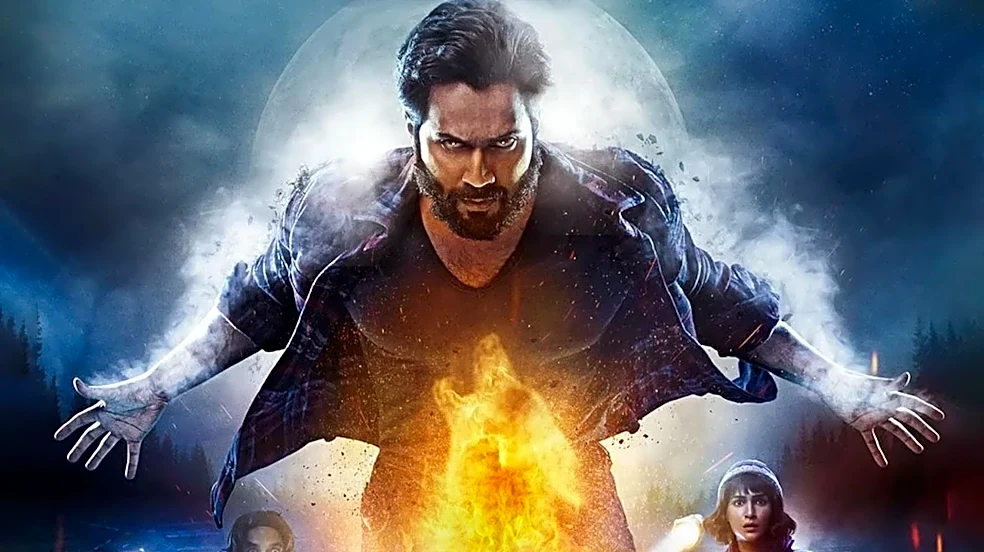
The first signal isn’t a new movie, but an old one. How well did last week’s big horror release perform in its second weekend? A massive drop-off (60% or more) suggests a film was front-loaded, appealing only to die-hard fans who rushed out on opening
night. But a strong 'hold'—a smaller drop of around 50% or less—is the holy grail. It signals that positive word-of-mouth is spreading to the general audience, creating a true, leggy hit that builds over time. A great historical example is 'Smile,' which rode a wave of stellar audience reactions to a surprisingly small second-weekend drop. A strong holdover indicates that the public’s appetite for scares is high, creating a rising tide that can lift all spooky boats. Conversely, if a recent scary movie collapses in its sophomore frame, it might mean audiences are either burned out on horror or that particular film just didn’t connect, leaving a bigger opening for a new title to dominate.
2. The Counter-Programming Pulse
Not everyone wants to be scared senseless in October. That’s where counter-programming comes in. Studios often release family films, prestige dramas, or romantic comedies against the horror slate to capture a different demographic. The performance of these films is a vital signal about the overall health of the market. If a big-name comedy or an awards-bait drama also posts strong numbers, it proves that diverse audiences are still heading to theaters in large numbers. This suggests a robust, healthy marketplace where multiple films can succeed at once. But if the counter-programming stumbles? It might indicate that moviegoers are being highly selective, saving their money for just one big event film. It also gives studios crucial data on what kinds of stories audiences are craving. A surprise hit in a non-horror genre can tell you as much about the cultural mood as the weekend’s top-grossing slasher flick. It's a test of the market’s breadth, not just its love for jump scares.
3. The Social Media Test
In the modern media landscape, opening weekend tracking numbers are only half the story. The real-time, chaotic, and incredibly powerful signal is social media buzz. Is a movie’s creepy doll becoming a meme on TikTok, like 'M3GAN' did? Is a particular scare or unsettling image from a trailer going viral on X (formerly Twitter)? This organic, user-driven hype is something money can’t always buy and is often a more accurate predictor of breakout success than traditional marketing metrics. Before its release, the viral marketing for 'Smile,' which involved placing actors with unnerving grins at public events like baseball games, generated millions of views and massive curiosity online. This digital word-of-mouth creates a sense of cultural urgency. It tells people this isn’t just another movie; it's an event they need to be a part of. Studios watch this sentiment like hawks, as it can turn a mid-level release into a blockbuster phenomenon overnight.