







The Immediate Cash Injection
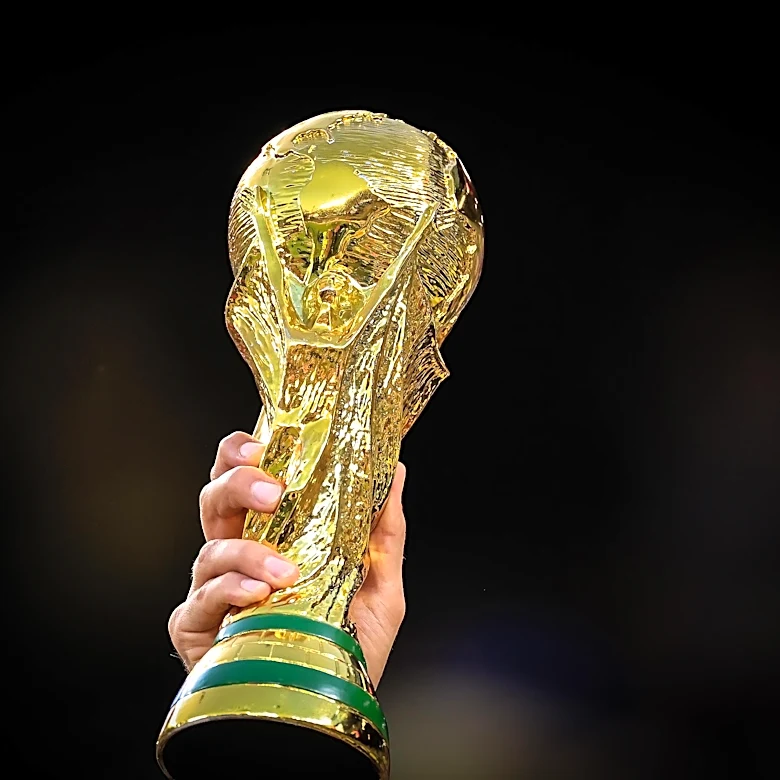
Let’s start with the obvious: winning means money. A lot of it. Prize money from tournaments like the FIFA World Cup or a continental championship like the Euros or Copa América can run into the tens of millions of dollars. For Argentina, winning the 2022
World Cup netted its federation (the AFA) a cool $42 million from FIFA. While that might be a drop in the bucket for a Premier League club, for a national federation, it’s a transformative sum. But the prize money is just the appetizer. Success makes a national team a much hotter commercial property. Sponsorship deals that were once modest can be renegotiated for vastly higher sums. New brands, eager to associate with a winning image, line up to get their logo on training kits and stadium banners. This financial windfall is the fuel for everything that comes next.
A Boom in Grassroots Participation
Perhaps the most powerful, long-term impact of a cup run is its inspirational effect. When a nation watches its heroes succeed on the world’s biggest stage, a whole generation of kids decides they want to be the next Megan Rapinoe or Lionel Messi. This is the “1999 effect” in the U.S., where the USWNT's dramatic World Cup victory on home soil led to an explosion in girls' soccer participation, creating a deeper talent pool that has fueled the team’s dominance for over two decades. A successful federation channels this enthusiasm. They use the new funds to build fields, subsidize coaching licenses, and create accessible youth leagues. It’s not just about finding the next superstar; it’s about broadening the base of the pyramid, which improves the overall health of the sport and ensures a steady pipeline of talent for years to come.
Political Capital and Structural Reform
Soccer federations can be notoriously political, often bogged down by bureaucracy and infighting. A major tournament victory provides the leadership with immense political capital. It’s a powerful validation of their strategy, quieting critics and empowering reformers. A forward-thinking federation president can use that mandate to push through necessary but unpopular changes, like revamping the domestic league structure, investing in data analytics, or professionalizing the organization’s back-office operations. Look at France after its 1998 World Cup win. The victory solidified the reputation of its Clairefontaine national academy and entrenched a technical development philosophy that directly contributed to its next World Cup title 20 years later. Success provides the leverage to turn a vision into a permanent reality.
Elevated Global Brand and Soft Power
A national team is a country’s cultural ambassador. When it wins, it doesn’t just boost the federation’s brand—it boosts the nation’s. Spain’s 2010 World Cup victory, built on Barcelona’s tiki-taka philosophy, cemented Spanish soccer as the global standard for technical excellence. This had a direct commercial benefit, increasing the international broadcast value of La Liga and making its clubs more attractive to foreign investors and fans. This “soft power” extends beyond sport. It can influence tourism, national pride, and how a country is perceived on the global stage. For the federation, this means more influence within international governing bodies like FIFA and its continental confederation, giving it a bigger say in the future direction of the sport.
The Pressure of Sustaining the Peak
Success isn’t a destination; it's a new, higher starting point, and it comes with immense pressure. The challenge is converting a one-time victory into a sustained cycle of success. History is littered with federations that failed to capitalize on their moment. Greece’s shocking Euro 2004 win, for example, didn’t lead to a fundamental overhaul of its domestic game, and the national team slid back into mediocrity. The new money can be squandered on bonuses and vanity projects instead of long-term infrastructure. The public and media now expect to win all the time, creating a high-pressure environment for players and coaches. The hardest part of getting to the top of the mountain is realizing you have to build a permanent base camp there. The smartest federations know the trophy isn’t the reward; it's the seed capital for the next generation’s victory.