





The Uniform of American Storytelling
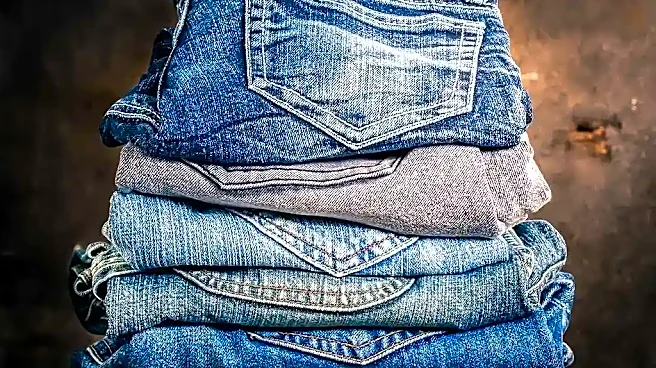
Before denim was a fashion statement, it was functional. It was the uniform of miners, ranchers, and laborers—the very people whose lives and stories form the bedrock of American folk, blues, and country music. That history is woven into the fabric itself.
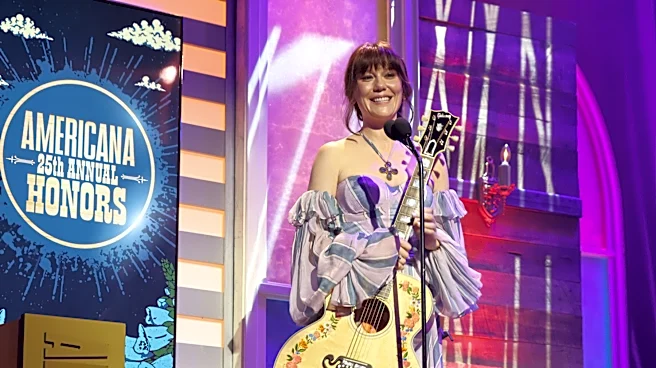
A pair of well-worn vintage jeans carries more narrative than a pristine tuxedo ever could. It tells a story of work, travel, and lived experience. When an artist like Tyler Childers or Molly Tuttle, both big winners at the recent 2026 awards, embraces a more grounded style, it’s not a rejection of formality. It’s an embrace of the very ethos their music champions: realness over polish, substance over sheen. Black tie belongs to boardrooms and Hollywood fantasies; denim belongs to the people, and Americana is the music of the people.
A Symbol of Rebellion and Authenticity
From the moment James Dean and Marlon Brando turned blue jeans into a symbol of youthful defiance in the 1950s, denim has been inextricably linked with counterculture. Musicians quickly adopted it as their armor. Bob Dylan, Bruce Springsteen, and The Ramones all used denim to craft identities that stood apart from the manufactured pop of their day. Springsteen’s iconic ‘Born in the U.S.A.’ album cover, featuring the back pocket of his Levi's 501s, cemented the jean as a symbol of the American working-class hero. That rebellious spirit is the direct ancestor of the Americana scene, which itself was a reaction against the slick, overproduced country music of the ‘80s and ‘90s. To wear a tuxedo at the Ryman Auditorium to celebrate this music feels like a misunderstanding of the assignment. It’s like playing a punk rock anthem on a harp.
Black Tie Feels Borrowed, Denim Feels Earned
There’s an inherent artifice to red carpet black tie. The suits are often rented, the gowns loaned, and the entire look is assembled by a team of stylists to project an image of unattainable perfection. Vintage denim, on the other hand, is personal. The fades, the frays, and the fit are earned over time, creating a garment that is unique to the wearer. This aligns perfectly with the values of Americana music, where artists are celebrated for their unique voice and unfiltered perspective. It's a genre that values the story behind the song and the soul behind the performance. The best-dressed person at the Americana Awards isn't the one in the most expensive suit, but the one whose clothing feels like an extension of their art. It’s about wearing your history, not just a designer's latest creation.
Redefining 'Dressed Up'
The beauty of the Americana Awards red carpet is that it challenges the very notion of what it means to “dress up.” It suggests that respect for an occasion isn’t shown by adhering to an outdated, European dress code, but by being true to oneself and the spirit of the community. A vintage denim jacket over a simple dress, or a favorite pair of broken-in jeans paired with quality leather boots, shows more thought and reverence for the art form being celebrated than a generic black suit ever could. It’s a style that is both democratic and individualistic—anyone can wear jeans, but no two pairs tell the same story. This is the new formal: personal, meaningful, and deeply American.