


An Island with a Soul
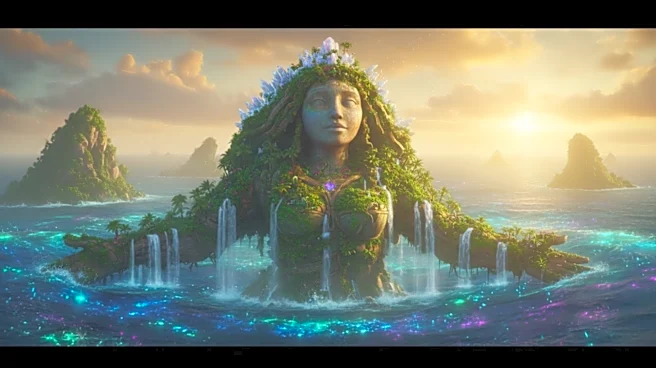
First and foremost, Te Fiti’s design is a direct reflection of her narrative function. She isn't just a place Moana needs to get to; she is a character who has been wounded. In the film's mythology, she is the mother island who created all life. By presenting
her as a literal, living island, the animators make the abstract concept of "the life-giving force of nature" tangible. Her shape, that of a reclining woman, communicates tranquility, peace, and a maternal presence. She is not an active, walking giant but a being in a state of rest—a state that is violently disrupted when her heart is stolen. This passivity is crucial, making her vulnerability feel both immense and personal.
The Power of Visual Opposites
The entire emotional climax of Moana hinges on a single, powerful realization: Te Fiti is Te Kā. For this reveal to work, their designs must be two sides of the same coin. Te Kā is all sharp angles, volcanic rage, smoke, and destructive fire—a being of pure, chaotic action. Te Fiti, in contrast, is soft, green, and still. Her body is made of lush flora and calm waters. This stark visual opposition makes their eventual merging so shocking and poignant. Moana doesn't defeat the monster; she heals it by recognizing its true identity. If Te Fiti were just a generic, pretty island, the idea that she could become a creature of such fury would lack its gut-punch impact. The design forces the audience to see them as a duality: creation and destruction, serenity and rage, all contained within one being.
Rooted in Polynesian Mythology
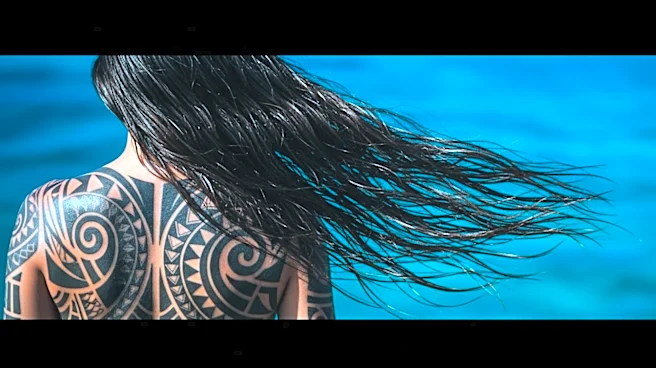
While Te Fiti herself is a creation for the film, her essence is deeply inspired by Polynesian deities. Many Polynesian creation myths feature an Earth Mother figure, often named Papa or Papatūānuku, who, along with a Sky Father, gives birth to the world and its gods. These figures are intrinsically linked to the land itself. By creating Te Fiti as a literal island goddess, the filmmakers tapped into this powerful cultural concept. The creators of Moana formed an Oceanic Story Trust, a group of cultural experts, to ensure the film was respectful and authentic. This collaboration informed everything from Maui's tattoos to the deep, spiritual connection between the people and nature. Te Fiti’s design as a nurturing, terrestrial mother is a direct outgrowth of that deep respect for the source material, where the land and the divine are one and the same.
A Masterclass in Storytelling
Ultimately, Te Fiti cannot be a simple set piece because her very form tells the story. Her stillness makes Te Kā’s rage more terrifying. Her lush, green form makes the creeping death that spreads across the islands a more potent threat. And her transformation back from a monster of fire and ash is a visual representation of healing and forgiveness. Moana’s quest isn’t just to return a magical stone to a specific location; it is to see the person beneath the pain and restore her to her true self. The island isn't the backdrop for the final act; the island is the final act. By making her a reclining figure of immense scale and beauty, the filmmakers ensured the audience understands that saving the world means healing its heart, not just arriving at a destination.