





The Halloween season offers two paths for horror fans: the massive, sold-out blockbuster event pulsing with energy, or the quiet, local screening in a repertory theater. While one promises a rock concert, the other offers a campfire story.
The Spectacle vs. The Seance
There’s an undeniable
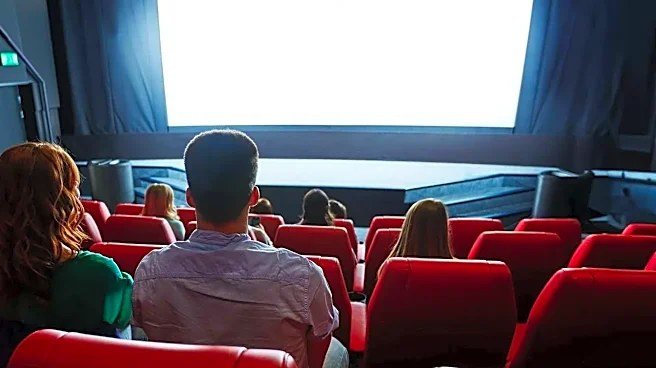
appeal to watching a horror classic or a new blockbuster with a thousand other screaming fans. The energy is electric, a shared roller-coaster ride of jump scares and collective gasps. It’s a communal experience built on scale, where the audience becomes part of the show. But this can also be anonymous. In contrast, smaller screenings at independent or repertory cinemas foster a different kind of connection. The vibe is less like a stadium tour and more like an intimate gathering. In these spaces, the shared experience isn't just about reacting in unison; it’s about creating a focused, almost reverent atmosphere where the film itself is the central object of worship, not the crowd's reaction. It’s the difference between being part of a mob and part of a circle.
Curated Discoveries Over Proven Hits
Large-scale horror festivals often lean on proven franchises and nostalgia-bait reboots to guarantee ticket sales. You’re likely to see the big names, the established icons, and the studio-backed hits of the season. Smaller venues, however, often have the freedom to be more adventurous. They thrive on curation, presenting audiences with forgotten gems, challenging independent films, or thematically linked double features that spark new conversations. Attending a local screening might mean discovering a self-financed indie horror film you’d never see at a multiplex or a rare 35mm print of a cult classic. This focus on discovery appeals to fans who see cinema as more than just passive entertainment; it’s a way to engage with new ideas and underrepresented voices.
Fostering Community and Connection
At a massive horror convention or festival, you’re surrounded by people who share your passion, yet it can be surprisingly difficult to forge a genuine connection. The sheer scale can be overwhelming. Smaller events, by their very nature, are more personal and conducive to conversation. You might find yourself discussing the film with the person next to you before the lights go down, or lingering in the lobby afterward to debate the director's choices. These events often become hubs for local film communities, where friendships are formed over a shared love for the weird and the macabre. Unlike large-scale conferences where attendees can feel like a face in the crowd, these gatherings create opportunities for meaningful conversations and relationship-building. This sense of belonging is a powerful draw for those who seek not just a movie, but a community.
Appreciation Beyond the visceral
The roar of a massive audience can amplify a film’s biggest scares, but it can also drown out its subtleties. A noisy, reactive crowd might make a slasher film more fun, but it can detract from a slow-burn psychological thriller that relies on quiet tension and atmosphere. Smaller screenings in more controlled environments allow for a deeper appreciation of a film's craft. Without the constant distractions of a boisterous crowd, viewers can focus on the cinematography, the sound design, and the thematic underpinnings of the story. For fans who love horror for its artistry as much as its adrenaline, the intimate setting provides a more focused and ultimately more rewarding viewing experience, allowing them to connect with the filmmaker's vision on a more profound level.