



The colossal, glittering jewelry worn on stage seems like it belongs in a world of its own. But the secret behind its dramatic effect—proportion—is the same principle that can make or break your everyday look. Here’s how to master it.
The Stage Secret: Built for the Back Row
Stage jewelry is
designed with one goal: to be seen. From the last row of a theater, a delicate pendant disappears under the glare of spotlights. To make an impact, everything must be exaggerated. Oversized chandelier earrings, chunky necklaces, and wide cuffs are not just stylistic choices; they are functional necessities. Their job is to communicate character, status, and glamour across a hundred feet of space. The scale is massive because the 'audience' is far away. What looks almost comically large in your hand reads as perfectly polished from a distance. This principle of designing for your audience and environment is the key to understanding proportion.
Bringing It Home: The Principle of Proportion
In fashion, proportion isn't about rigid rules, but about the relationship between elements. It’s how the size of your earrings relates to your face shape, how the length of your necklace complements your neckline, and how the 'visual weight' of your accessories balances your outfit. A piece is 'in proportion' when it feels like it belongs. An accessory that overwhelms a petite frame is out of proportion, just as a tiny stud earring might get lost on a taller person wearing a bulky sweater. The goal is to create a sense of harmony where every piece works together to form a cohesive, intentional look.
Your Real-Life 'Stage'
To apply the stage-to-real-life idea, simply shrink your stage. Your audience isn't in the back of a concert hall; they’re standing across the table at brunch or next to you in a meeting. Your accessories don't need to shout; they need to speak in a conversational tone. The 'too much' feeling often comes from wearing jewelry that is scaled for a larger 'venue.' The trick is to choose one focal point. If you're wearing a bold, statement necklace, opt for simple, understated earrings. If you choose dramatic earrings, let them have the spotlight by skipping a necklace altogether or choosing a very delicate chain. This isn't about avoiding big jewelry, but about making it the star of the show, not part of a chaotic ensemble.
A Practical Guide to Daily Proportions
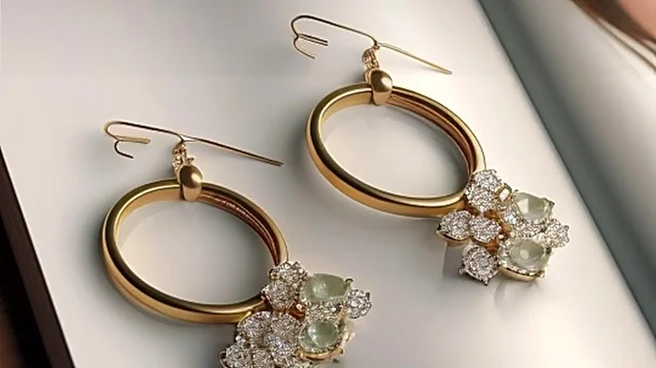
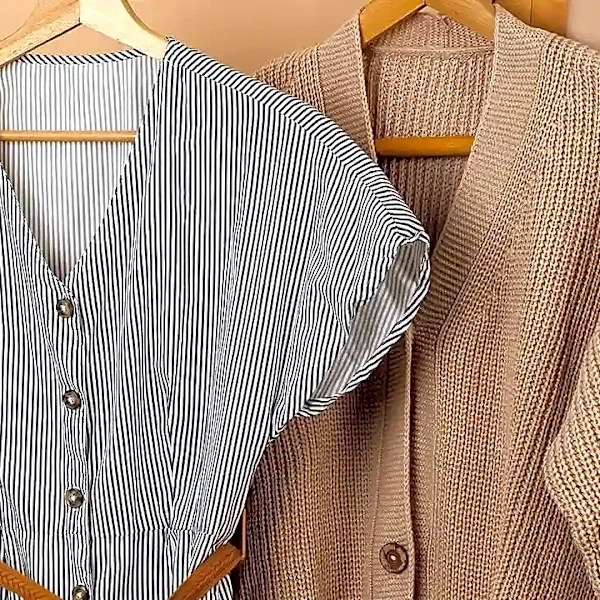
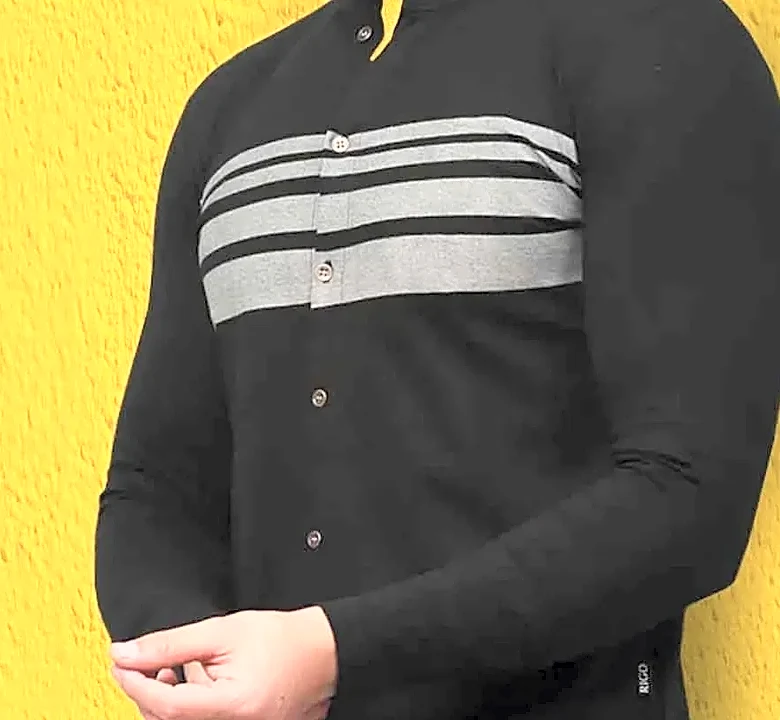
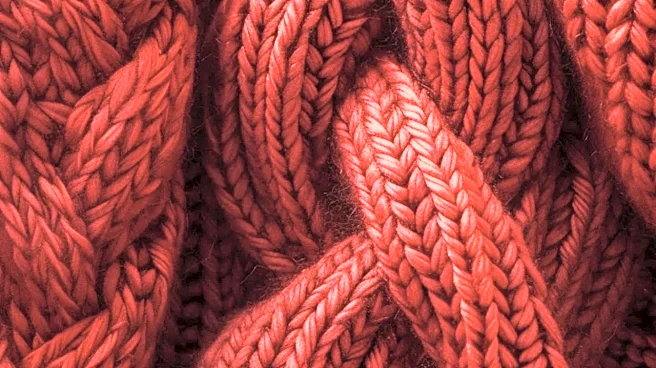
Thinking about proportion can feel abstract, but a few guidelines make it easy. For necklaces, let your top guide you. A V-neck or scoop neck is a perfect frame for a pendant, while a crew neck or turtleneck can support a chunkier collar or a longer chain. For earrings, consider your hairstyle. An updo beautifully showcases a longer, dangling style, while loose hair might call for a substantial stud or a structured hoop that won't get lost. Also, think about the texture of your outfit. A thick, chunky knit sweater can handle a bolder bracelet or ring, while a delicate silk blouse pairs better with finer, more refined pieces. The key is balance; the jewelry should complement the outfit, not compete with it.