



The Unkillable, Low-Budget Formula
The single most important lesson from the 'Halloween' franchise is the power of budgetary discipline. John Carpenter's 1978 original was a masterstroke of low-cost, high-impact filmmaking. Made for roughly $325,000, it grossed around $70 million worldwide,
becoming one of the most profitable independent films ever made. This set the template: horror, especially slasher horror, doesn't require blockbuster budgets to find an audience. Even the less-loved sequels operated on this principle. 'Halloween Kills' (2021), for instance, was made for $20 million and grossed over $133 million globally. 'Halloween Ends' (2022), despite a polarized reception and a simultaneous streaming release, earned over $105 million on a $33 million budget. The business model is simple: keep production costs low, and the profit margin can absorb mixed reviews. Hollywood often inflates sequel budgets, but 'Halloween' demonstrates that for horror, cheaper is almost always smarter. The genre's thrills are not dependent on expensive special effects but on atmosphere and suspense, which cost far less to create.
A Killer Marketing Hook: The Calendar
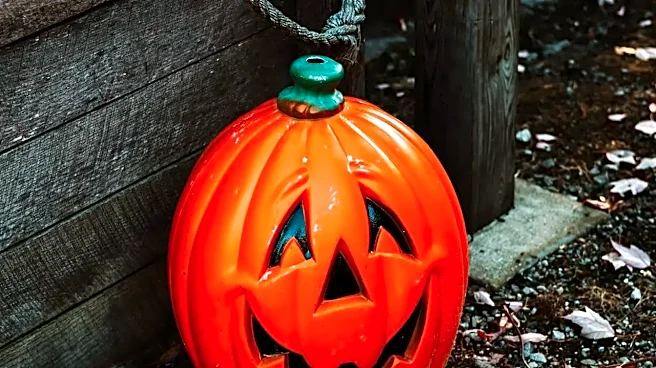
Tying a horror franchise to a specific, universally recognized holiday was a stroke of genius. The name 'Halloween' provides an annual, built-in marketing event. Every October, as stores fill with decorations and the air turns crisp, the films become seasonally relevant all over again. This isn't just a movie release; it's a cultural tradition. Studios can rely on a recurring wave of free, organic publicity that other franchises have to pay millions to generate. This seasonal anchor ensures that even after a disappointing entry, the appetite for a new Michael Myers adventure is renewed every fall. The holiday creates a sense of occasion, making a trip to the theater feel like a festive ritual for horror fans. This gives the franchise a unique staying power that isn't tied to narrative consistency or critical acclaim. It's an appointment with a bogeyman who is as reliable as the holiday he's named for.
The Power of an Iconic, Simple Villain
Michael Myers, credited in the original simply as 'The Shape,' is a perfect horror antagonist because he is a blank slate. He has no complex motivations, no lengthy monologues—just a mask, a knife, and a relentless drive. This simplicity makes him endlessly adaptable. Unlike villains with intricate backstories, Michael can be dropped into almost any scenario, allowing for constant reboots and retcons without breaking the core concept. When 'Halloween H20: 20 Years Later' (1998) decided to ignore the convoluted plotlines of sequels 4 through 6, it could do so easily. The 2018 'Halloween' did the same, creating a direct sequel to the 1978 original and wiping away four decades of messy continuity. This narrative flexibility is a massive financial advantage. The studio isn't beholden to a single storyline. If one timeline fails, they can simply hit reset and bring Michael back to his terrifying basics, a move that audiences have repeatedly proven they will embrace.
Forgiving Fans and the Legacy Sequel
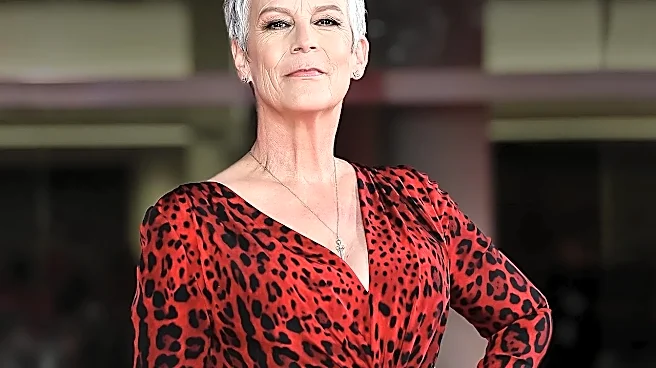
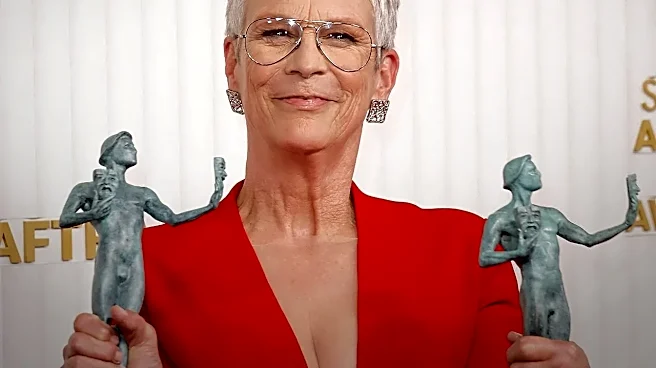
Horror fans are famously loyal, often more to the genre itself than to individual film quality. They show up for sequels hoping to recapture the magic of the original, and they are willing to forgive—or at least forget—the missteps along the way. The 'Halloween' franchise has tested this loyalty more than most, with entries like 'Halloween: The Curse of Michael Myers' and 'Halloween: Resurrection' holding dismal critical scores. Yet the audience always comes back. The success of legacy sequels like 'Halloween' (2018) and 'Halloween H20' proves the model. By bringing back Jamie Lee Curtis as Laurie Strode, the films created an event that appealed to both nostalgia and a new generation of viewers. 'H20' was the first film in the series to gross over $50 million domestically at the time. The 2018 reboot shattered that, earning over $255 million worldwide and becoming the highest-grossing slasher film in history. The lesson is clear: when a franchise loses its way, reconnecting with its most beloved elements is a powerful and highly profitable strategy.