

The Golden Age of the Video Star
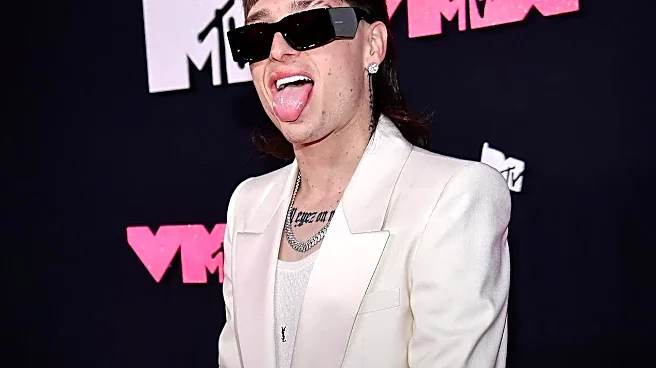
On August 1, 1981, a new cable channel launched with the audacious declaration, “Ladies and gentlemen, rock and roll.” The first video played, “Video Killed the Radio Star” by The Buggles, was more than a song choice; it was a mission statement. For nearly
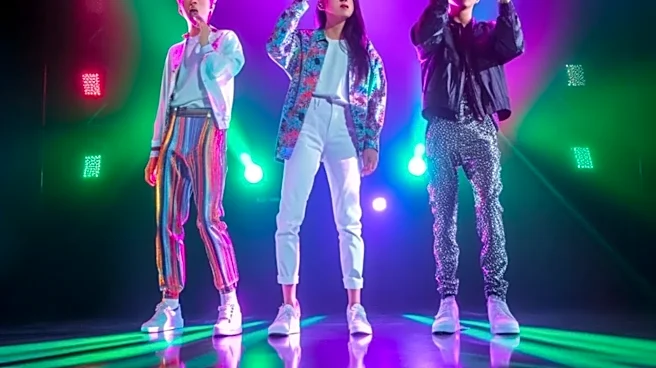
two decades, MTV was the undisputed kingmaker of pop culture. It didn't just play music; it created a visual language for it. Artists like Michael Jackson and Madonna became global superstars not just for their sound, but for their cinematic, narrative-driven videos that became cultural landmarks. If you wanted to make it in the music industry, you needed a hit video on MTV. This created a powerful monoculture—a shared experience where millions of teens and young adults saw the same videos, heard the same songs, and participated in a unified cultural conversation. It was appointment television for an entire generation.
The Internet Unplugs the Monoculture
The first crack in MTV's armor wasn't another TV channel, but the internet. The late '90s and early 2000s brought file-sharing services that unbundled the album, but it was YouTube's arrival in 2005 that truly democratized the music video. Suddenly, you no longer had to wait for a VJ to play your favorite song. The power shifted from the curated channel to the user's search bar. Anyone could upload a video, and anyone could watch it, anytime. This broke the industry's traditional gatekeepers, allowing independent artists to find a global audience without a major record deal. The shared, scheduled experience of MTV gave way to on-demand, personalized viewing. The monoculture began to splinter into countless niche fandoms.
The Rise of the Algorithm
Just as YouTube made video accessible, streaming services like Spotify and Apple Music did the same for audio, fundamentally changing consumption from ownership to access. The concept of the album, already weakened, took another hit as the playlist became the dominant format. More importantly, discovery became driven not by shared cultural trends, but by intensely personal algorithms. Your “Discover Weekly” was different from your friend's, creating a listening experience tailored to you alone. This led to a massive expansion in the variety of music people listened to but also further fragmented audiences. Success was no longer just about getting on the radio or MTV; it was about getting onto the right playlists and feeding the algorithm that serves millions of individual listeners.
Living in the Music Moment
Today, the primary unit of music consumption isn't the channel, the album, or even the playlist—it's the 'moment.' Platforms like TikTok have atomized songs into 15-second clips, often called 'sounds.' A song's virality is no longer tied to the artist's reputation or a big marketing push, but to a dance challenge, a meme, or a relatable video. This has become a dominant force in the industry, with a song's performance on TikTok directly influencing its position on the Billboard charts. A single viral video can resurrect a decades-old track, as seen when Nathan Apodaca's skateboarding video sent Fleetwood Mac's 1977 hit "Dreams" soaring back to the top of the charts. The artist and the original context of the song can become secondary to the trend it fuels. This shift prioritizes catchy, loopable hooks over deeper lyrical composition, creating a new formula for what makes a hit.