

First, What Defines Uptown?
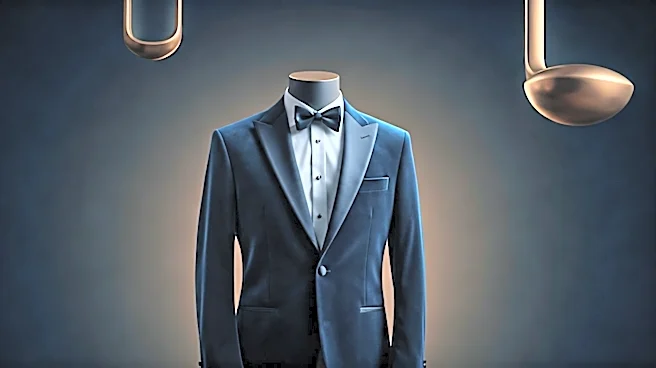
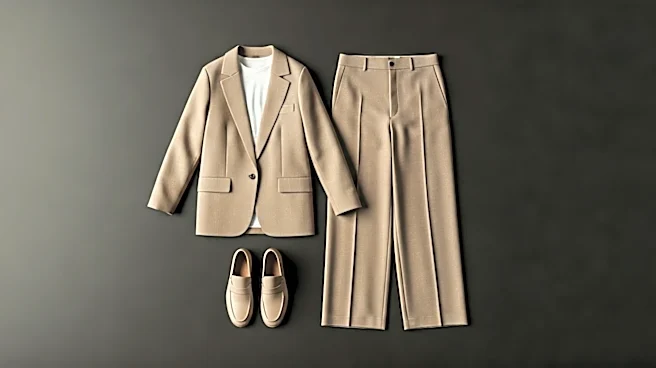
The uptown aesthetic is rooted in polish, perfection, and pedigree. Think of the Upper East Side archetypes from pop culture: Blair Waldorf, Charlotte York, or any character played by Gwyneth Paltrow. It’s a style that telegraphs quiet luxury, tradition,
and an adherence to classic silhouettes. On the red carpet, this translates to looking impeccably put-together. The hair is flawlessly coiffed, the makeup is elegant, and the posture is perfect. The goal isn't to shock or experiment, but to exude timeless grace. Celebrities like Anne Hathaway, Kate Middleton, and Blake Lively often channel this energy. Their style says, “I respect the institution.” The accessories are not afterthoughts; they are the anchors of this old-money elegance.
And What is the Downtown Code?
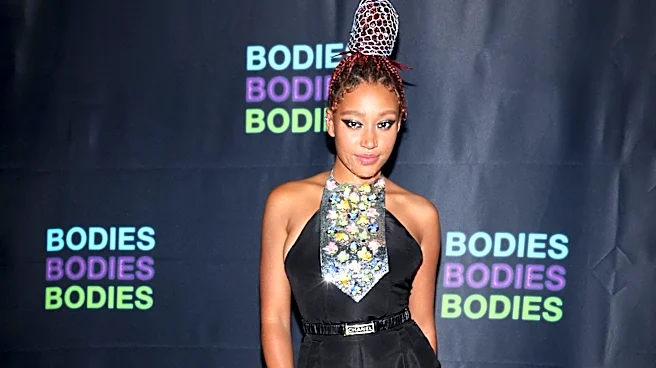
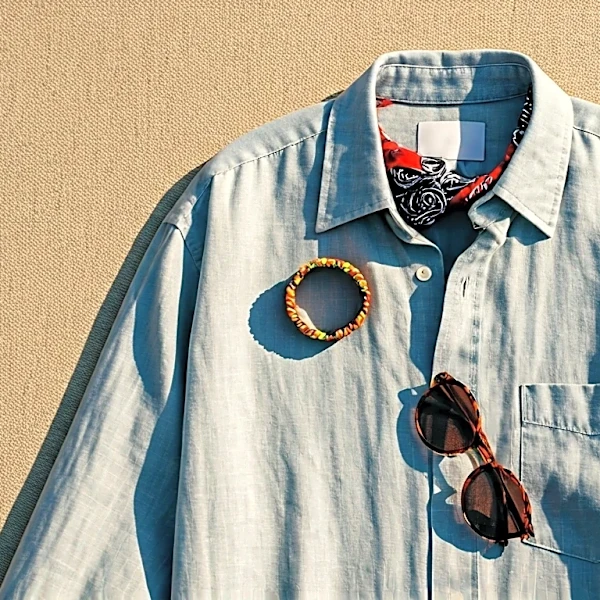
If uptown is about perfection, downtown is about persona. It’s the aesthetic of the artist, the musician, the cool kid who lives in a SoHo loft or a Brooklyn brownstone. This style is built on a foundation of effortless cool, with an edge of rebellion and an appreciation for the avant-garde. Think Zoë Kravitz, Chloë Sevigny, or Kristen Stewart. The look is often deconstructed, slightly undone, and intentionally imperfect. It’s about personal expression over conventional beauty standards. The downtown celebrity might wear a couture gown with messy hair or a sharp suit with no shirt. Their style says, “I make the rules.” The accessories here are crucial for signaling this nonchalant, art-world credibility.
The Handbag Divide
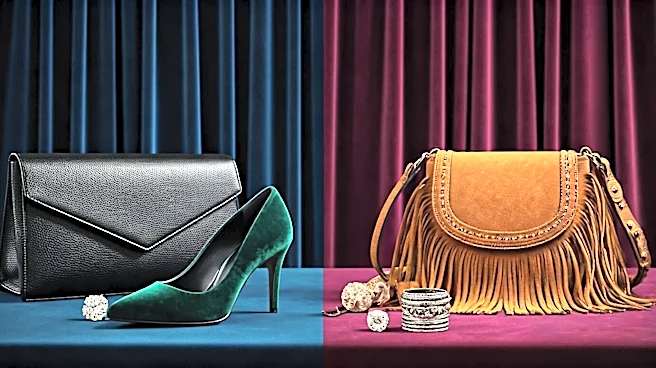
Nothing reveals the split more clearly than a handbag. The uptown woman carries a piece of architecture. It’s often a structured, top-handle bag from a heritage brand—an Hermès Kelly, a Chanel Classic Flap, or a Lady Dior. These bags are investments, status symbols that hold their shape and their value. They are carried delicately in the crook of the arm or held primly by the handle. The downtown counterpart is the anti-it-bag. It might be a soft, slouchy clutch tucked under the arm, a vintage beaded purse with no discernible logo, or a minimalist piece from an indie brand like The Row. It’s less about brand recognition and more about an interesting shape or texture that completes an unconventional look.
Jewelry: Heritage vs. Individuality
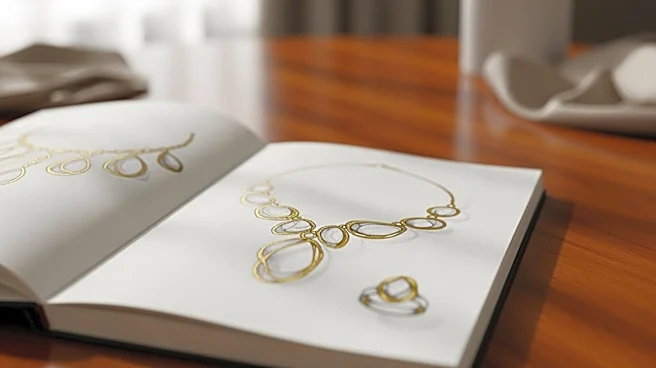
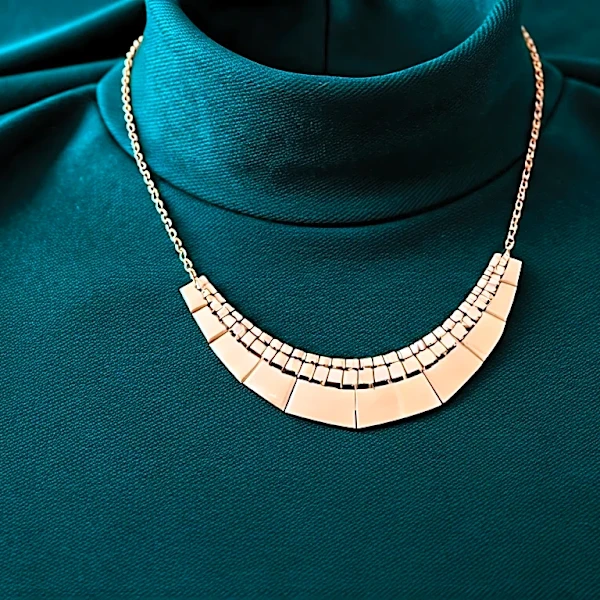
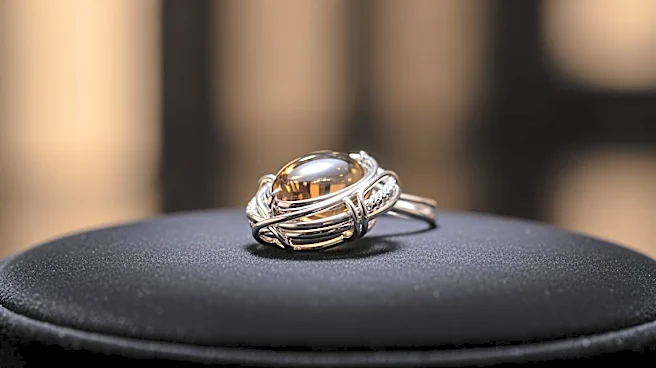
Uptown jewelry is about showcasing pristine, high-value gems. Think a classic diamond tennis bracelet from Cartier, a strand of Mikimoto pearls, or significant emerald or sapphire earrings from a legacy house like Tiffany & Co. or Harry Winston. It’s often worn as a matching set, emphasizing symmetry and tradition. The message is one of legacy and heirloom quality. Downtown jewelry is a curated collection. It’s about layering delicate gold chains, stacking mismatched rings from various independent designers, or wearing a single, sculptural statement earring. It feels personal, discovered, and artistic. You might see a modern piece from a designer like Ana Khouri paired with something found at a flea market. It’s about creating a unique composition, not just wearing wealth.
The Final Step: Shoes
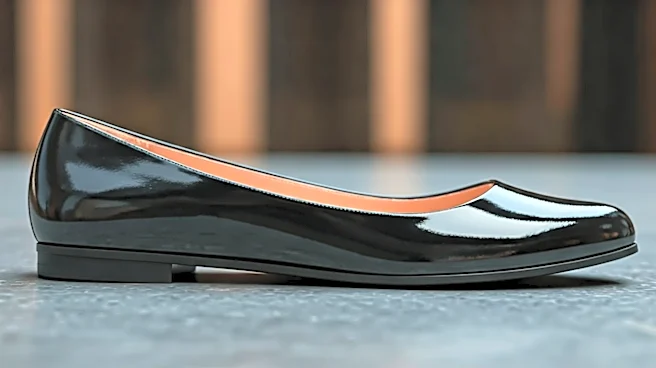
The footwear seals the deal. An uptown look is almost always finished with a classic, elegant shoe. We’re talking a pointed-toe stiletto from Manolo Blahnik, a sleek Christian Louboutin pump, or a barely-there strappy sandal from Stuart Weitzman. The shoe is designed to elongate the leg and complete a traditionally feminine silhouette. Downtown shoes are where the personality really kicks in. They are often the most subversive part of the outfit. Instead of a simple pump, you might see an architectural heel from Loewe, a heavy combat boot grounding a delicate dress, or even a pair of surprisingly chic flats on the red carpet. The downtown shoe prioritizes attitude and an interesting silhouette over classic sex appeal.