

The Rebellion Against Optimization
Our modern media consumption is a job. We research what to watch, scroll through endless libraries, and commit to multi-season arcs, lest we miss a crucial plot point. This quest for optimization can be exhausting. The pressure to have the 'correct' viewing
experience—perfect picture, no ads, full attention—turns leisure into labor. Subscription fatigue is a documented phenomenon, born from the overwhelming number of choices and the mental load of managing them. Stumbling upon a syndicated episode of 'The Office' or 'Law & Order' already 15 minutes in is a quiet act of rebellion. There's no decision to be made, no backstory to catch up on, and no pressure to see it through to the end. It's a release from the tyranny of the perfect watch.
The Deep Comfort of Low Stakes
There's a reason rewatching old shows feels so good. It’s a known quantity, a form of comfort food for the brain. These shows, often seen countless times, are cultural touchstones that provide a sense of stability and connection to our past. Catching an episode midway enhances this comfort by lowering the stakes to zero. You don’t need to remember where you left off. The plot of this specific episode is secondary to the pleasure of simply co-existing with familiar characters. It’s the visual equivalent of a well-worn sweatshirt. You're not watching to be challenged or surprised; you're watching to feel a sense of ease and predictability in a world that often feels anything but.
The Lost Art of Serendipity
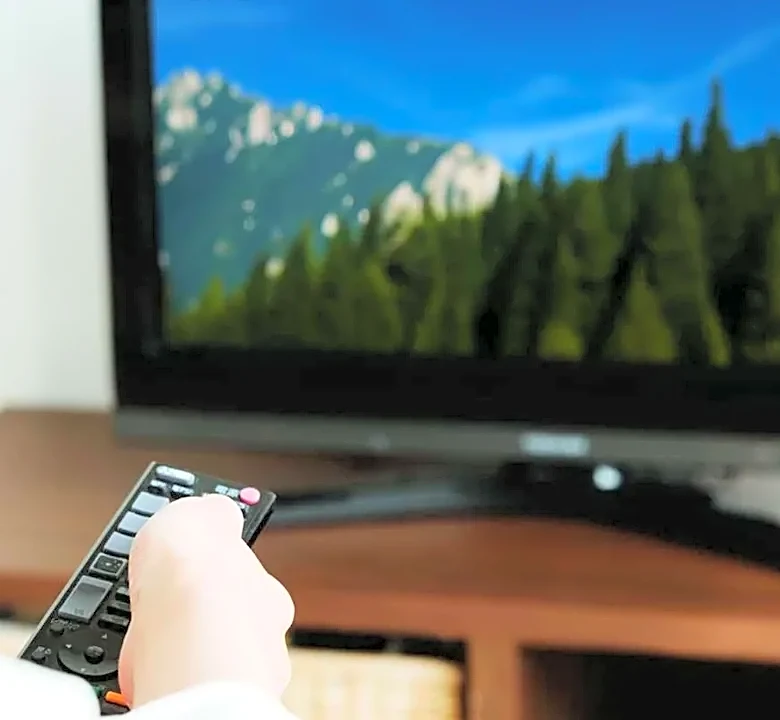
Before algorithms told us what we’d like, there was channel surfing. This simple, almost mindless act of flipping through channels was a hunt for something, anything, that might catch our eye. It was a game of chance. You might land on the last ten minutes of a classic movie you’d never have chosen, a bizarre documentary, or the pivotal scene in a drama you'd never heard of. Dropping into a show halfway through is the last vestige of that serendipity. The show finds you, not the other way around. It’s an unplanned encounter, a small discovery in a world where everything is planned. This process of integrating interrupted information forces our brains to reorient, creating a different kind of engagement than a linear, uninterrupted viewing.
A Shared, Imperfect Experience
Perhaps the most overlooked joy is the quiet, invisible sense of community. While streaming isolates us in our own perfect, on-demand bubbles, linear television offers a shared experience, however fragmented. When you drop into that 'Friends' rerun, you know that thousands of other people, scattered across the country, are watching that very same imperfect, ad-filled broadcast at the exact same time. It’s a throwback to a time when television was a more communal activity, a cultural campfire around which we all gathered. It’s a connection, not to the characters or the plot, but to the other unseen viewers sharing that random, inconsequential moment with you.