

More Than Just a Haunted House
For the uninitiated, Halloween Horror Nights (HHN) might seem like just another seasonal haunted attraction. But for the millions who flock to Universal parks in Orlando, Hollywood, Japan, and Singapore, it’s a pilgrimage. What began in 1991 as a three-night
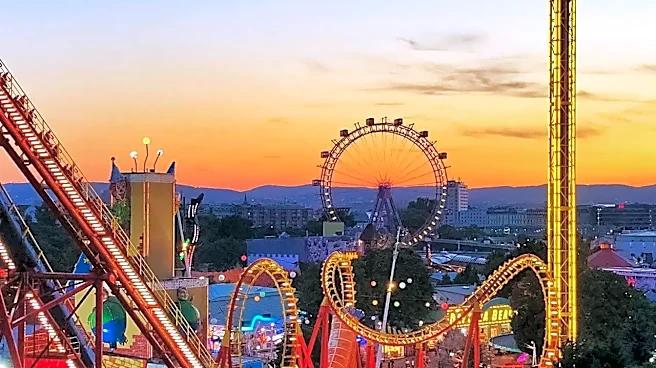
event with a single maze has metastasized into a month-long spectacle that redefines what a theme park can be. It’s an elaborate, high-budget affair with dozens of unique experiences, from intricately detailed haunted houses and open-air “scare zones” to live shows and themed food. The event has become a benchmark in the entertainment industry, blending cinematic horror with the operational muscle of a world-class theme park to create an experience that’s far more than the sum of its parts.
Step Inside Your Favorite Nightmare
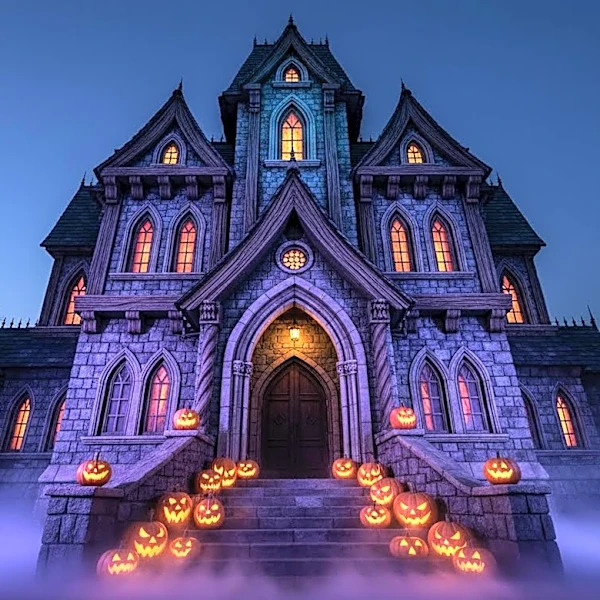
At its core, HHN is a love letter to horror fandom. The event’s main draw is its collection of haunted houses, many of which are based on iconic intellectual properties (IPs). This is where the line first begins to blur. Fans aren't just watching a scary movie; they're walking through it. For its 35th anniversary in 2026, the lineup continues this tradition, dropping guests into the worlds of franchises like Stranger Things, Hellraiser, and A Quiet Place. Imagine creeping through the eerie, silent landscapes from A Quiet Place or facing down Pinhead and his Cenobites. Universal’s creative teams work meticulously to recreate not just the look but the feel of these properties, using movie-quality sets, sound design, and special effects that make the fantasy terrifyingly real. It transforms passive viewing into an active, multi-sensory ordeal.
A Masterclass in Live Performance
If the licensed houses provide the star power, the live performers—dubbed “scareactors”—provide the soul. This is where HHN crosses into the realm of immersive theater. Hundreds of actors undergo training to bring the event’s creatures and killers to life, not just with jump scares, but with character-driven performances. Some roles are physically demanding, requiring actors to learn specific movements, like the lurching gait of a zombie. Others rely on improvisation as they interact with guests in the scare zones that pepper the park's streets. These aren't just people in masks; they are performers engaged in a nightly run of a very unconventional play, using the entire park as their stage. The sheer scale of this theatrical production, running for hours each night across dozens of venues simultaneously, is a marvel of coordination and endurance.
The Theme Park Engine
None of this would be possible without the final, crucial element: the theme park itself. Universal brings an operational expertise that smaller haunts can only dream of. Managing the flow of tens of thousands of guests per night, building temporary structures that can withstand massive crowds, and integrating a park-wide horror overlay is a monumental logistical feat. The park’s existing infrastructure, from its sound stages repurposed as haunted houses to its world-class food and beverage operations creating event-specific menus, provides the backbone for the entire experience. This theme park engine allows the creative ambitions of the designers and the theatrical intensity of the performers to scale up, creating a shared, communal experience of fear on an industrial level. It’s what separates HHN from a local spook alley and elevates it into a global cultural phenomenon.