



The Anatomy of a Threat
A well-delivered cross is tactical chaos by design. It's an offensive play that turns a soccer pitch's vast expanse into a tiny, congested, high-stakes battleground: the six-yard box. Attackers serve balls with ever-increasing velocity, spin, and accuracy,
making the flight path difficult to judge. Modern tactics often see attacking teams deliberately crowd the keeper, blocking their path and vision. The cross can be an inswinger, curling menacingly toward the goal, or an outswinger, bending away and inviting a panicked punch. It can be a low, driven ball that requires a dive into traffic or a high, looping delivery that hangs in the air, testing timing and vertical leap. Each variation presents a unique problem that must be solved in a fraction of a second. Studies have shown that while crossing is a frequent tactic, direct goals from them are relatively rare, highlighting their primary function: to create pressure, confusion, and opportunities for error.
The Goalkeeper's Gambit: Come or Stay?
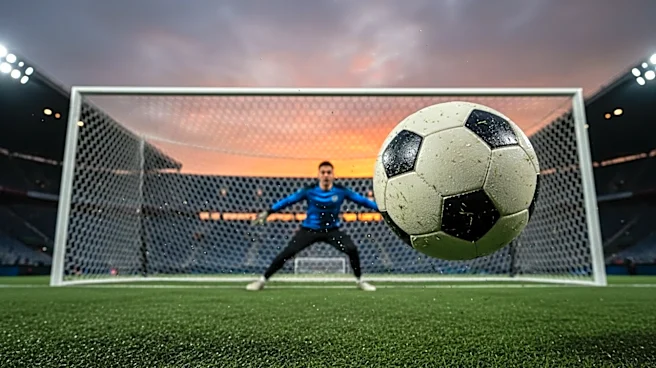
This is the core dilemma, the split-second calculation that defines a goalkeeper's performance. The decision is a complex cocktail of physics, geometry, and pure guts. Staying on the line provides more reaction time for a potential header, but it cedes control of the six-yard box to the opposition. Coming off the line is an aggressive, assertive move to take command. A successful claim, plucking the ball out of the air, kills the attack instantly and can launch a counter. But hesitation is fatal. A keeper who comes and stops, or gets stuck in no-man's-land, is often left watching the ball fly into an empty net. The choice to catch requires absolute certainty, while a punch is a safer, but less definitive, option to clear the danger when surrounded by opponents. This decision-making process is not just reactive; top goalkeepers read the body shape of the player crossing the ball to anticipate its trajectory before it's even kicked.
A Lonely Job in a Crowded Box
While the keeper makes the final call, they are not entirely alone. Communication is critical. A loud, decisive shout of "Keeper!" is meant to command the area and, crucially, warn defenders to get out of the way. Conversely, a call of "Away!" signals that the keeper is staying put and that the defenders must clear the ball themselves. Miscommunication, or a defender who doesn't hear the call over the stadium noise, can lead to disastrous collisions and opportunities for attackers. The best defenses have an almost telepathic understanding with their goalkeeper, where defenders know to protect the space around their keeper, giving them a clearer path to attack the ball. This synergy between a keeper and their back line is built through relentless training and is often the unseen foundation of a solid defensive performance.
The Weight of the Cup
Now, take all of that tactical and physical pressure and multiply it by a global audience of billions. That's the reality of playing in the Soccer Cup. Goalkeeping is an isolating position, physically and mentally. A striker can miss ten shots and be redeemed by one goal; a goalkeeper can make ten brilliant saves and be vilified for one mistake. This pressure is magnified exponentially in a knockout tournament where a single error can end a nation's dream. The history of the World Cup is littered with infamous goalkeeping blunders, many stemming from misjudged crosses or free kicks that turned heroes into scapegoats. The mental toll is immense; keepers must possess incredible stress tolerance and the ability to immediately forget a mistake, as another ball could be coming their way in seconds. This "short memory" is a psychological tool just as important as strong hands or a powerful leap.