


Before a character even says a word, you’ve already made a judgment about them. A key reason is their costume, a powerful tool that tells us who is good, who is evil, and who exists in the complicated gray spaces in between.
The Classic Codes: Good vs. Evil
The oldest trick in the book
remains the most effective: using color and light to establish a character's moral standing. It's a visual shorthand that dates back centuries. Heroes are often dressed in lighter, brighter colors. Think of Luke Skywalker's initial innocent white tunic or the classic primary colors of Superman's suit, which signal hope and virtue. Villains, conversely, are cloaked in darkness. Black, deep reds, and sickly greens are staples of the antagonist's wardrobe, from Darth Vader's menacing black armor to the Wicked Witch of the West's iconic dark attire. This isn't just about color; the silhouette matters, too. Heroic costumes are often simple and functional, while villains get more elaborate, severe, or ostentatious outfits that can suggest vanity, corruption, or a disconnect from the common person.
Beyond Black and White: Texture and Fit
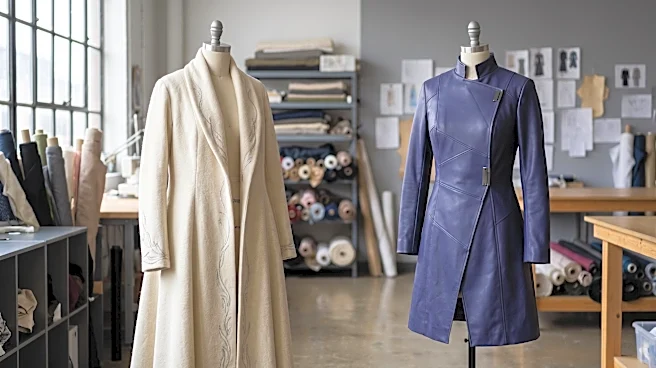
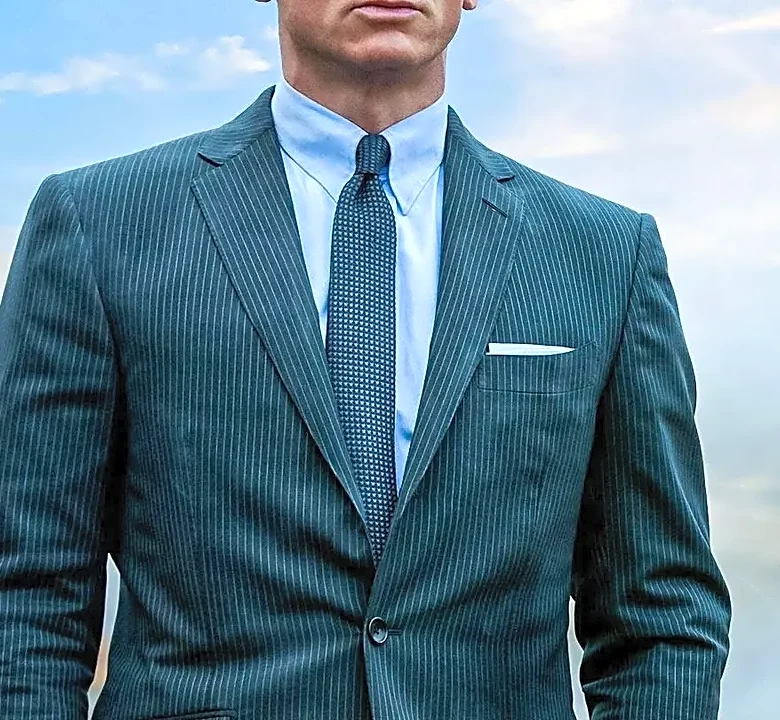
But a character's soul isn't just painted on with color; it's woven into the very fabric of their clothes. Costume designers use texture and fit to add layers of meaning. A hero’s clothing might be made of humble, practical materials like linen or worn leather, suggesting a grounded nature and a life of action. In contrast, a villain might be draped in luxurious but restrictive velvets or cold, hard metallics, implying emotional rigidity or a decadent, cruel lifestyle. The fit of a garment is also a crucial tell. A tightly restricted costume can physically and visually represent an uptight or repressed character, while looser, more comfortable clothing can signal an open and confident personality. These material choices create a tactile language that reinforces a character’s internal state.
Dressing in Grayscale: The Anti-Hero's Uniform
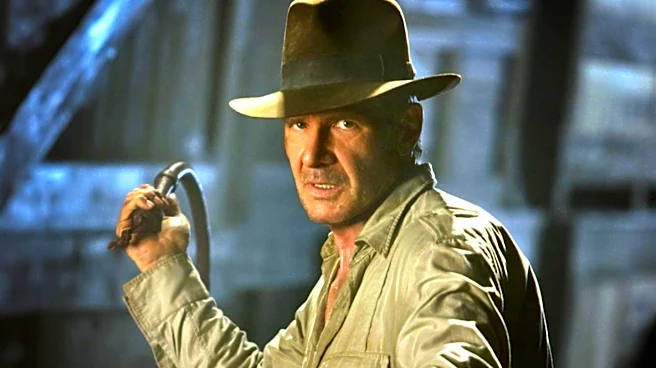
Some of the most compelling characters defy easy categorization, and their costumes reflect that moral ambiguity. The anti-hero rarely wears pure white or stark black. Instead, they live in a world of grays, muted browns, and faded blues. Their outfits are often utilitarian and worn, showing the scars of a difficult life lived outside conventional rules. Think of Han Solo's simple vest and blaster belt or The Mandalorian's battered armor. These costumes aren't pristine, nor are they overtly menacing. They are practical, layered, and often appear pieced together, mirroring the complex, often conflicted, moral code of the person wearing them. The anti-hero's costume signals a survivor—someone who is neither a saint nor a monster, but a product of their harsh environment.
A Wardrobe for the Wearer's Arc
Perhaps the most dynamic use of costume language is to track a character's evolution. A significant shift in a character's moral alignment is almost always accompanied by a change in their wardrobe. The most famous example is Anakin Skywalker's transformation in "Star Wars," where his light-colored Jedi robes are slowly replaced with darker hues before he is fully encased in the black, oppressive armor of Darth Vader. This is what's known as an "Evil Costume Switch." The reverse is also true. A "Good Costume Switch" can signal a villain's redemption, where they shed their dark, severe clothing for something simpler or lighter. This visual journey allows the audience to follow a character's internal changes, making their fall from grace or their quest for redemption a tangible, visible progression.