





The Rise of Sequel Fatigue
Let’s be honest: sequel fatigue is real, and it’s been plaguing Hollywood for years. We’re living in an era dominated by intellectual property (IP), where familiar franchises are mined until they’re dust. For every brilliant follow-up like *Top Gun: Maverick*,
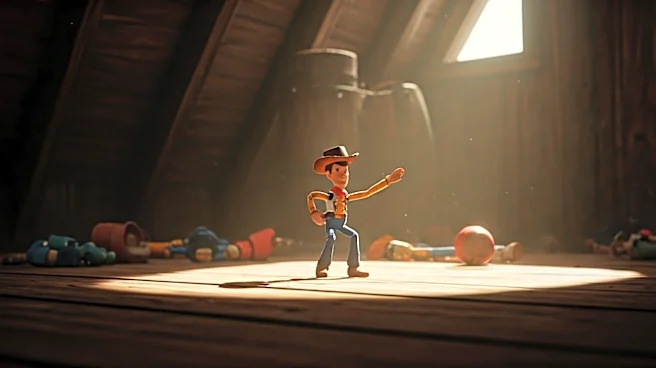
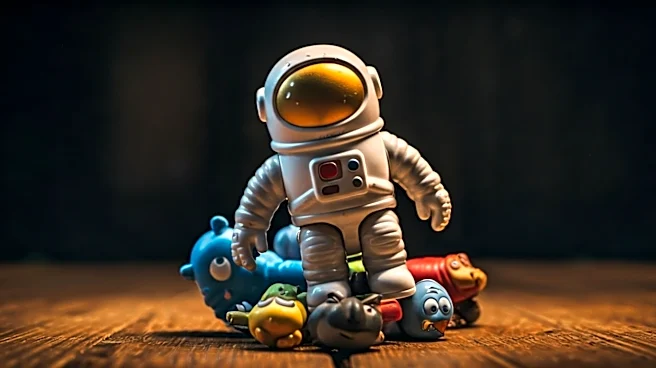
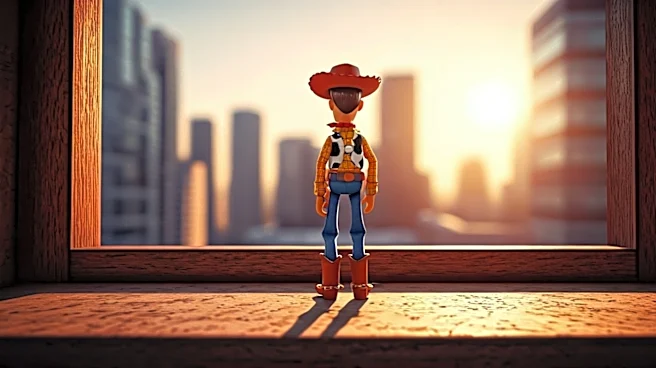
there are a dozen cash-grabs that feel creatively bankrupt, existing only to satisfy a line on a quarterly earnings report. So, when news of yet another *Toy Story* movie broke, the exhaustion was immediate and understandable. It’s a Pavlovian response at this point. We’ve been conditioned to greet announcements of a fifth, sixth, or seventh installment of anything with deep skepticism. *Toy Story 4* already provided a poignant, if slightly unnecessary, bookend to Woody’s journey, sending him off into the sunset. Bringing him, Buzz, and the gang back again feels less like a story that *needs* to be told and more like a corporate mandate from a risk-averse parent company.
The Broken Pixar Promise
But the frustration with *Toy Story 5* runs deeper than general sequel-weariness. This is about Pixar. For its first 15 years, the studio’s brand was built on a simple, breathtaking promise: originality. From 1995 to 2010, they delivered a near-unbroken string of modern classics, each a wholly new world. *Monsters, Inc.*, *Finding Nemo*, *The Incredibles*, *Ratatouille*, *WALL-E*, *Up*. These weren't just great animated films; they were great films, period. They trained us to expect the unexpected, to walk into a theater ready to have our hearts broken and rebuilt by a lonely robot, a gourmet rat, or a grumpy old man with a floating house. Sequels were the exception, not the rule. Now, the opposite feels true. The slate is crowded with follow-ups and spin-offs: *Finding Dory*, *Incredibles 2*, *Lightyear*, and now, another trip to the toy box. The disappointment isn't just that they're making another sequel; it's that *Pixar* is making another sequel, seemingly abandoning the very ethos that made us fall in love with them.
It’s Not the Sequel, It’s the Motive
This isn’t to say all sequels are bad. In fact, Pixar made one of the greatest of all time. *Toy Story 2* was a miracle, a film that deepened the themes of the original and is arguably a perfect movie. *Toy Story 3* was a devastatingly beautiful conclusion, a perfect farewell that left audiences in a puddle of tears. These films worked because they felt born from creative necessity. They had something new and essential to say about love, loss, and purpose. The problem with the studio’s current direction, as articulated by Disney CEO Bob Iger’s stated intent to lean heavily on successful franchises, is that the motive feels transparently financial. It shifts the perception from artistry to asset management. We're no longer getting a story because a brilliant director had a vision; we're getting a story because the *Toy Story* brand polls well and sells merchandise. That’s a tough pill to swallow for the generation that grew up expecting magic, not market research.
You Can Still Love the Artists
So, where does that leave us? Here’s the permission slip: you are allowed to be tired of the strategy while still loving the studio. Your affection for Pixar was never really for the corporate entity. It was for the animators who hide Easter eggs in every frame, for the composers whose scores make us weep, and for the storytellers who find profound humanity in toys, fish, and monsters. That incredible artistry is still there. You can see it in the stunning water effects of *Elemental*, the warm, nostalgic glow of *Luca*, and the ambitious existentialism of *Soul*. Even in a commercial and critical misfire like *Lightyear*, the sheer craft on display is undeniable. The people making these films are pouring their hearts into the work, even when the project itself feels mandated from on high. Loving Pixar doesn’t mean you have to blindly accept every business decision. It means appreciating the talent and soul that shines through, even when you wish it were in service of a brand-new idea.