


The Core Family: The Man, The Wife, The Son
At the story's heart is a family torn apart by war. Odysseus is the brilliant, cunning King of Ithaca, famous for his trickery (like the Trojan Horse) and desperate to get home after a decade of fighting at Troy. Back in Ithaca, his faithful wife, Penelope,
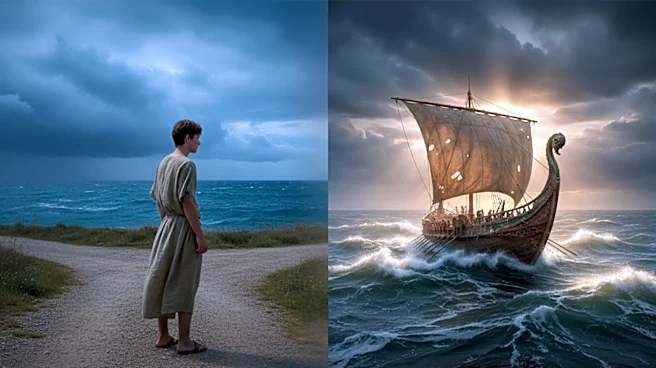
is playing for time. She's besieged by over 100 arrogant suitors who want to marry her and claim the throne, but she cleverly holds them off by weaving and un-weaving a burial shroud. Meanwhile, their son, Telemachus, who was an infant when Odysseus left, is now a young man trying to find the strength to protect his mother and his father's legacy. For a director like Nolan, who loves grounding his high-concept stories in raw human emotion, this family's struggle will be the undeniable anchor.
The Divine Antagonist: Poseidon, God of the Sea
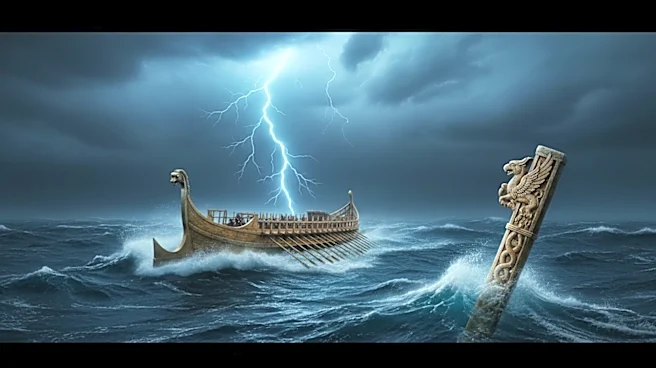
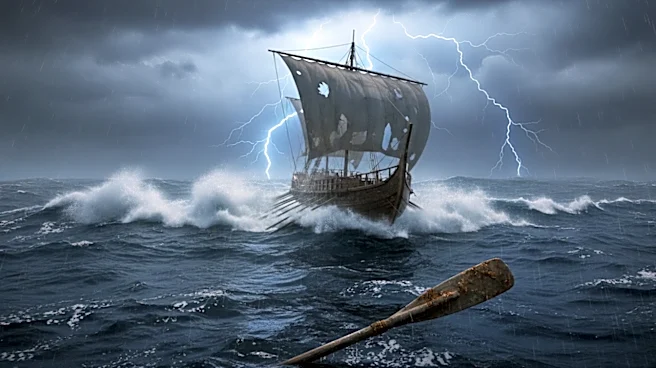
Every hero needs a villain, and for Odysseus, his primary antagonist is a god. Poseidon, the volatile and powerful god of the sea, has a deeply personal grudge. Early in his journey, Odysseus blinds Poseidon's son, a Cyclops named Polyphemus. This act of hubris earns him the sea god's unrelenting wrath. For the next ten years, Poseidon throws everything he has at Odysseus, from calamitous storms to ship-sinking monsters, making his journey home a living hell. Think of Poseidon less as a man and more as the ocean itself becoming a conscious, vengeful force—a perfect source of relentless, large-scale tension for a Nolan film.
The Divine Ally: Athena, Goddess of Wisdom
Luckily, Odysseus has a powerful ally on Mount Olympus. Athena, the goddess of wisdom and strategic warfare, is his divine champion. She admires Odysseus's cleverness and resourcefulness and repeatedly argues his case before the other gods, including her father, Zeus. She not only provides divine counsel but also actively intervenes, often in disguise, to guide both Odysseus and his son Telemachus. While Poseidon represents the chaotic, destructive forces of nature, Athena embodies intellect and strategy. Their cosmic tug-of-war over one mortal man drives much of the epic's plot.
The Monster: Polyphemus the Cyclops
The encounter with the Cyclops is one of the most famous parts of The Odyssey for a reason. Polyphemus, the son of Poseidon, is a brutish, one-eyed giant who traps Odysseus and his men in his cave with the intent of eating them. This isn't a simple monster fight; it's a battle of wits. Odysseus must use cunning, not strength, to survive. He gets the giant drunk, blinds him with a sharpened stake, and engineers a brilliant escape by hiding his men under the bellies of sheep. This sequence establishes Odysseus's defining trait—his intellect—while also being the direct cause of Poseidon's long-term fury.
The Sorceress: Circe and the Island of Transformation
Nolan loves to play with perception and reality, which makes the sorceress Circe a perfect character for his style. When Odysseus and his crew land on her island, the beautiful witch-goddess seems hospitable at first, but she turns his men into pigs with a magic potion. Odysseus, with the help of the gods, is able to resist her spell and forces her to turn his men back. He ends up staying with her for a year, during which she becomes a crucial guide, warning him of the dangers that lie ahead. Circe represents a psychological and supernatural threat, blurring the line between friend and foe.
The Obstacles: Sirens, Scylla, and Charybdis
The journey home is less a straight line and more a gauntlet of impossible choices and terrifying threats. The Sirens are bird-like creatures whose beautiful song lures sailors to their deaths on the rocky shores. Odysseus famously listens to their song by having his crew tie him to the mast while they plug their ears with beeswax. He must also navigate a narrow strait flanked by two monstrous threats: Scylla, a six-headed beast who snatches sailors from their ships, and Charybdis, a giant whirlpool that swallows the sea itself three times a day. Being forced to choose which monster will kill some of his men is a classic no-win scenario, a kind of intense, ethical dilemma that fits perfectly into a high-stakes thriller.