




Beyond Skinny Jeans and Band Tees
First, let's define the aesthetic that reigned from roughly 2006 to 2012. Dubbed "indie sleaze" years later, it was a messy, maximalist, and performatively vintage look. Think Kate Moss at Glastonbury, the cast of the British TV show "Skins," or the general
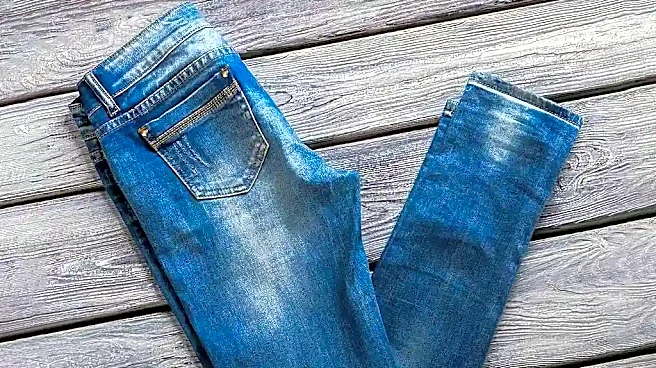
vibe of a party documented on a blog like Cobrasnake. The uniform consisted of skinny jeans (often ripped), hole-filled band t-shirts, leather jackets, leopard prints, and an attitude of chaotic spontaneity. It was a direct rebellion against polished, mainstream perfection, instead favoring a gritty, unfiltered, and hedonistic cool. It was a mashup of 1970s rock, 1980s glam, and 1990s grunge, all filtered through the lens of a new millennium defined by dial-up, MySpace, and the early blogosphere. The goal was to look like you didn't try, even if the outfit was meticulously planned.
The Thrill of the Vintage Hunt
Crucially, this look wasn't available at the mall. Indie sleaze was built on a foundation of second-hand clothes. Before the explosion of ultra-fast fashion, achieving the right level of disheveled authenticity meant digging through bins at Goodwill, scouring charity shops, and finding treasures in dusty vintage stores. This wasn't just about being frugal in the wake of the 2008 recession; it was a core part of the subculture's ethos. The hunt for a unique, pre-loved piece was as important as the item itself. It was about creating an identity that was yours alone, assembled from the cast-offs of previous decades. This process celebrated individuality and a subtle anti-corporate stance, rejecting the idea of a pre-packaged, mass-produced uniform in favor of something with history and personality.
From Grimy Bins to Curated Feeds
Here's where the quiet influence begins. That physical act of hunting, sifting, and curating a wardrobe from second-hand sources created a blueprint for the next wave of fashion consumption. The mindset honed in those vintage shops—valuing scarcity, celebrating uniqueness, and performing individuality—migrated online. Platforms like Depop, Poshmark, and Vinted are the digital evolution of the vintage store hunt. Today, sellers on these apps are essentially mini-curators, using the same eye for what’s unique and desirable that their predecessors used in brick-and-mortar thrift shops. The language of “rare finds,” “Y2K gems,” and “one-of-a-kind vintage” that dominates these platforms is a direct descendant of the indie sleaze ethos. The difference is that the hunt is no longer confined to your zip code; it’s a global marketplace at your fingertips.
The Unlikely Godmother of Resale
What started as a niche counterculture has, in retrospect, become the godmother of the modern resale economy, an industry expected to be worth over $350 billion by 2027. Indie sleaze normalized wearing used clothing for a generation of young people. It stripped away the stigma and reframed second-hand shopping as a cool, creative act of self-expression. This cultural shift laid the essential groundwork for the widespread adoption of resale as a sustainable and stylish alternative to fast fashion. The current boom in thrifting, driven by Gen Z's desire for both sustainability and unique style, is happening on a path first paved by the indie sleaze generation. The recent revival of the trend on TikTok, with searches for "indie sleaze" spiking on Depop, confirms its lasting impact on how we think about, find, and sell clothes.