





The Necessity of Invention
Unlike Cannes or Toronto, Telluride, Colorado, is a small, historic mining town without a multiplex on every corner. For four days, it hosts one of the most prestigious film festivals on the planet, where Oscar contenders are first revealed. To accommodate
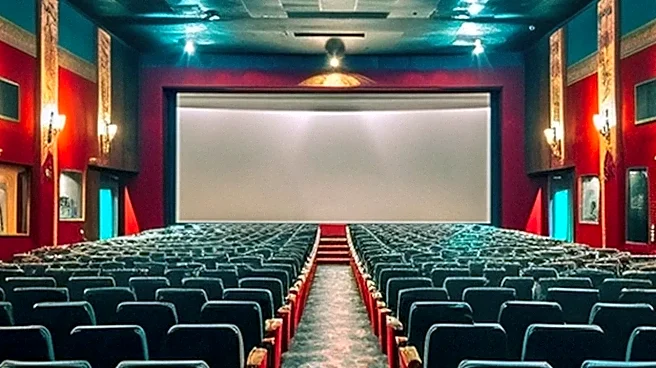
the thousands of filmmakers, critics, and cinephiles who descend upon the town, organizers must perform an annual miracle: building a network of world-class cinemas from scratch. The town has only a few year-round theaters, including the historic Sheridan Opera House. This means that every other venue—in a Masonic hall, a conference center, or an open-air park—must be temporarily created. It’s a festival defined by its ephemeral nature, where state-of-the-art theaters appear and then vanish just as quickly.
From Hockey Rink to Herzog's Palace
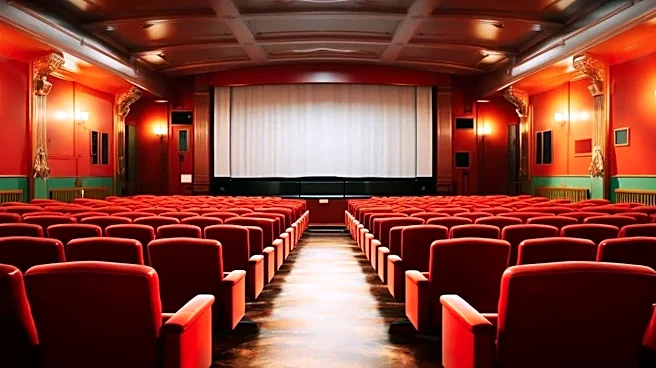
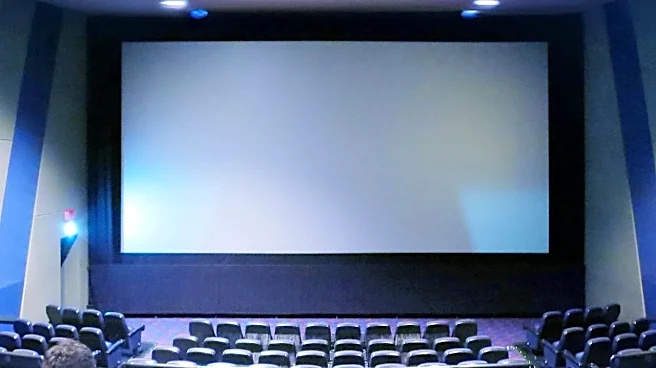
The most dramatic transformation is the Werner Herzog Theatre, which seats 650 people inside what is, for the rest of the year, an ice hockey rink. The conversion is a monumental undertaking. Crews start by laying a temporary floor over the ice of the Town Park Pavilion. From there, they construct tiered seating to ensure perfect sightlines, hang a massive screen, and install a powerful 7.1 surround sound system. The entire space is draped in heavy black fabric to eliminate light and manage the difficult acoustics of a cavernous arena. Festival partner Meyer Sound has been instrumental in this process for years, deploying advanced audio technology to ensure the sound is flawless, despite the challenging environment. The result is a screening room so pristine that it honors the legendary filmmaker for whom it is named.
The Science of a Perfect Screening
This annual feat is powered by deep technical expertise and cutting-edge equipment. The goal is to make a school gymnasium or conference hall sound better than most permanent cinemas. Long-time festival partner Meyer Sound provides the audio backbone for the premier venues, including the Herzog and the 500-seat Galaxy Theatre, which is built in a middle school gym. These spaces are outfitted with Acheron screen channel loudspeakers, numerous cinema surround speakers, and dozens of high-power subwoofers. Technicians use advanced tools like Galileo GALAXY network platforms to precisely tune the audio for each unique room. Special attention is paid to controlling low-frequency sounds, especially in makeshift venues like the Herzog hockey rink, where subwoofers are arranged in a cardioid pattern to direct bass into the audience and prevent it from reverberating in the empty space behind the screen.
Every Venue a Unique Puzzle
The transformation isn't limited to just one or two locations. Each of the festival’s temporary venues presents its own set of challenges. The Galaxy Theatre, for example, requires special acoustical treatments to tame the echo of a gymnasium. The Chuck Jones Cinema is built in the Mountain Village conference center, a corporate space turned movie palace. Even the open-air Abel Gance Cinema in Elks Park, a beloved tradition offering free nightly screenings, requires careful setup to deliver quality projection and sound under the stars. According to festival director Julie Huntsinger, the immense effort is driven by a profound respect for the filmmakers and their work. The festival's philosophy is that the presentation must be as artful as the film itself, ensuring that audiences experience every movie exactly as its creators intended.