
The Social Currency of 'I Was There'
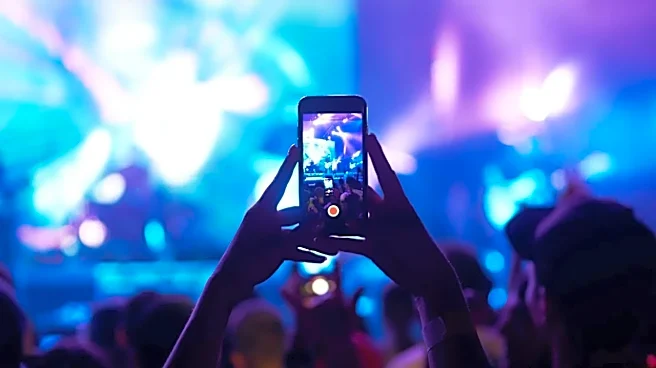
The most visible reason for hoisting a phone is to capture proof of attendance for social media. In the digital age, a blurry, bass-blown video of a festival’s biggest drop serves as a powerful piece of social currency. It’s a way to tell your network,
“I was here, and it was incredible.” This isn't just about bragging rights; it's about participating in a shared cultural conversation. Posting a clip to an Instagram story allows friends who couldn't attend to feel a part of the experience, creating a ripple effect beyond the festival gates. For many, the act of recording is less about creating a perfect, high-quality memory to rewatch and more about generating content that validates their experience in the online world where they spend much of their lives. In that context, the shaky video isn't a failed attempt at cinematography—it's a successful digital postcard.
Predictability, Recognition, and the Big Hit
The songs most likely to trigger a sea of phones are often the artist’s biggest, most recognizable hits. When Childish Gambino plays "This Is America," the phones come out, even after he’s asked the crowd to put them away. There’s a simple reason for this: predictability and universal recognition. Fans know the chorus is coming, they know the drop is about to happen, and they want to capture that specific, explosive moment of shared energy. This is the song everyone in their social feed will recognize, making it a more valuable clip. In contrast, during a deep cut, a new song, or an improvisational jam, the outcome is uncertain. There’s no single, identifiable moment to capture for social media, so fans are more inclined to stay present and simply absorb the performance. The phone stays in the pocket because the value of the experience shifts from documentation to discovery.
The Quest for the 'Main Character' Moment
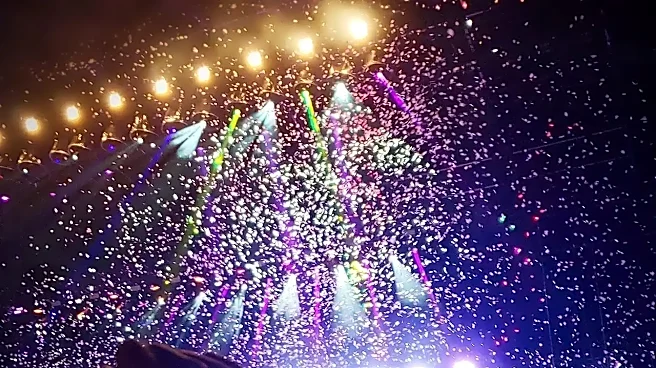
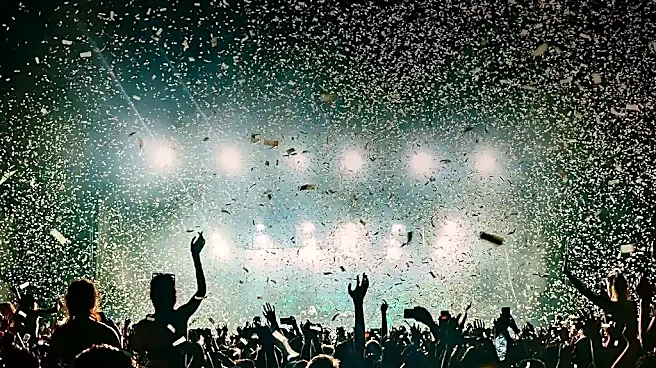
Modern concerts are often designed with the camera in mind. Intricate light shows, pyrotechnics, and stunning visual backdrops are practically begging to be filmed. These moments are engineered to be aesthetically pleasing on a small screen, providing fans with what’s often called a "main character moment." It’s that perfect, 15-second clip where the lights, the music, and the crowd energy align to create something that looks cinematic. Capturing this is less about the song itself and more about capturing an aesthetic. Conversely, when a performance is stripped-down, emotional, and raw, the visual spectacle diminishes. An acoustic ballad or a heartfelt moment of connection with the audience doesn't translate as effectively to a screen. Its power lies in the unmediated feeling in the air, not its visual splendor. In these moments, the phone feels like an intruder, a clunky piece of technology interrupting a deeply human experience.
Collective Effervescence: When the Phones Go Down
There are magical moments at any show when the crowd collectively decides to put their phones away. This often happens during a beloved, emotional song where singing along feels more important than filming. It’s a phenomenon the sociologist Émile Durkheim called "collective effervescence": a feeling of euphoric unity that arises from shared, synchronized activity. When thousands of people are singing the same lyrics, swaying in unison, the energy becomes transcendent. In these moments, the individual impulse to record is overridden by the powerful, communal desire to belong to the whole. The experience is too immersive, too emotionally consuming to be mediated through a screen. Studies have suggested that trying to photograph an event can actually impair your memory of it, as you subconsciously outsource the job of remembering to your device. When fans choose to put their phones down, they are instinctively choosing to form a more lasting, emotional memory over a flawed digital one. They are choosing to be a participant, not just an archivist.