




The Problem with Pure Black
The core issue with black clothing in photography comes down to a simple principle of physics: black absorbs light. While the human eye is brilliant at discerning subtle shifts in texture and shadow on a black garment, most camera sensors are not nearly
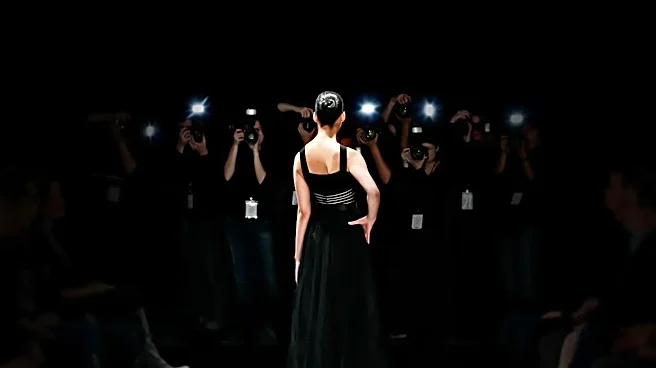
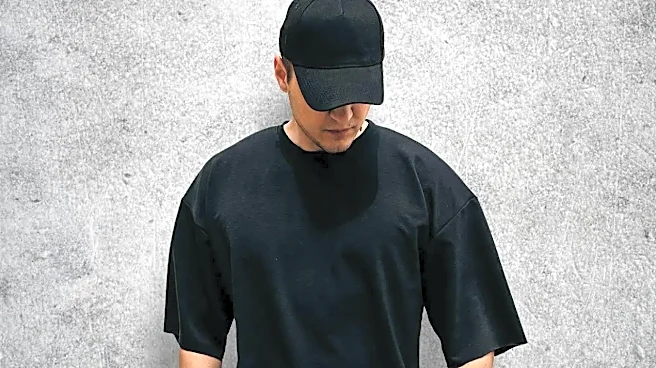
as sophisticated. When you wear a flat black fabric, it absorbs so much of the available light that the camera struggles to capture any information. The result is what photographers call 'crushed blacks'. This means all the nuance—the drape of the fabric, the cut of the silhouette, the seams, and any textural details—are lost. They collapse into a single, flat area of pure black, turning your outfit into a featureless shape. This effect is even more pronounced with smartphone cameras, which have smaller sensors and less capacity to handle scenes with a wide range of brightness.
Why 'Almost-Black' Colors Shine
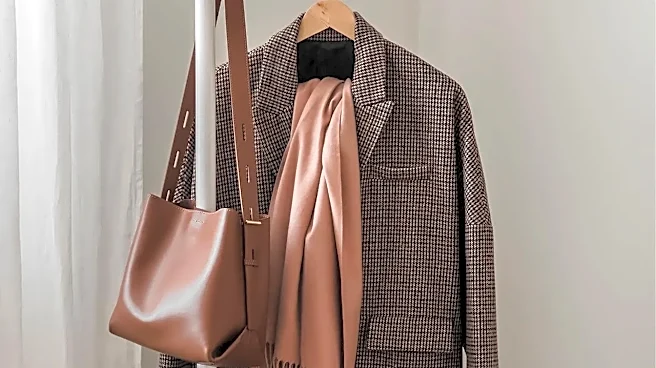
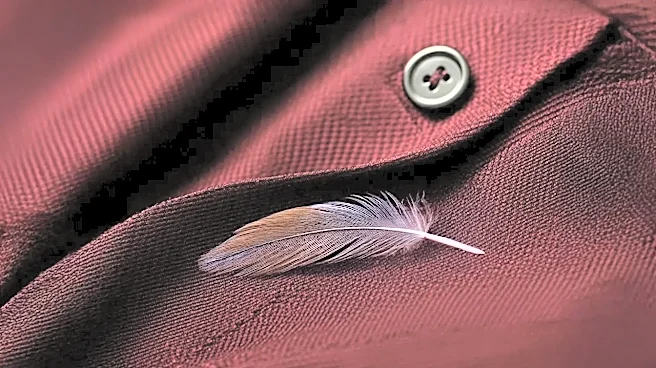
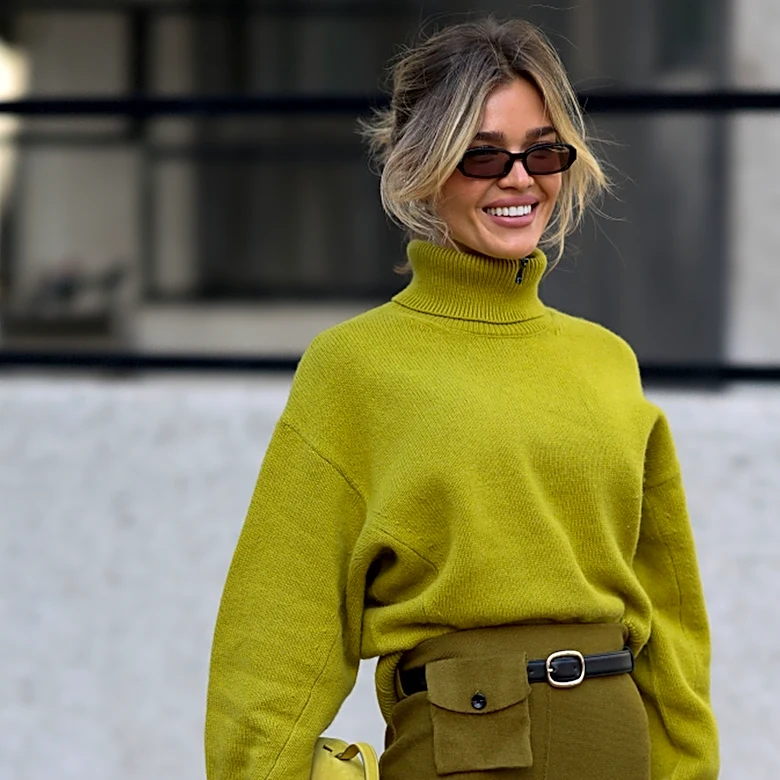
This is where midnight blue, deep burgundy, charcoal gray, and forest green come to the rescue. These colors are dark enough to provide the same slimming, sophisticated effect as black, but they have a crucial difference: they don't absorb all the light. Instead, they reflect a small amount of color and light back at the camera lens. That tiny bit of reflected light is everything. It gives the camera's sensor just enough information to register highlights and shadows, revealing the texture of a knit sweater or the sharp lapel of a blazer. Suddenly, the garment has dimension, form, and depth. Your shape is defined not by a stark outline, but by the gentle play of light across the fabric. Professional photographers often recommend these muted jewel tones and dark neutrals for headshots and portraits for this very reason.
Your Camera's Secret Struggle
The technical term for what your camera is battling is 'dynamic range'. In simple terms, dynamic range is the camera sensor's ability to see detail in both the brightest highlights and the darkest shadows of a single scene. Your eye has an incredibly high dynamic range, which is why you can see both the bright clouds in the sky and the details of a person standing in a dark shadow. Most cameras, however, have a much more limited range. When faced with extreme contrast, the camera has to choose. Often, it will expose for the mid-tones or highlights (like a person's face), causing the darkest areas—your black outfit—to lose all detail and become 'clipped' to pure black. Because midnight blue and burgundy aren't pure black, they fall more comfortably within the camera's capturable range, preserving those crucial details.
Fabric and Texture Make a Difference
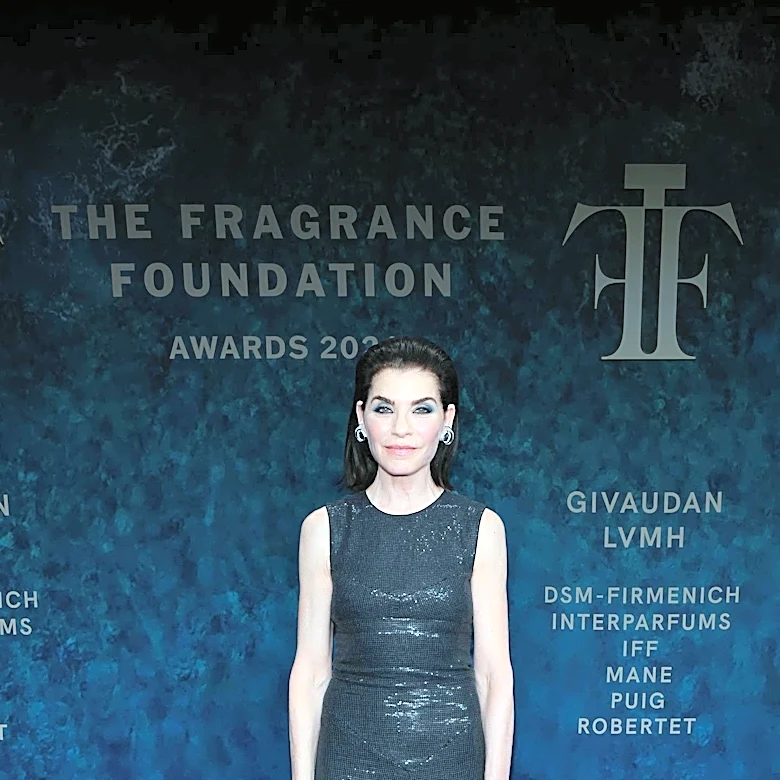
Not all blacks are created equal, and fabric plays a huge role. A black velvet, satin, or sequined garment will photograph very differently from a flat black cotton t-shirt. Why? Because the texture and finish of the fabric interact with light. Velvet has a pile that creates its own subtle highlights and shadows. Silk and satin have a sheen that reflects light directly. These fabrics essentially do the work for the camera, providing the tonal variation needed to show shape and form. So, if you are set on wearing black, choosing a fabric with some texture or sheen can help you avoid the 'black blob' effect and add visual interest that a camera can actually capture. A matte, flat black fabric will always be the most challenging to photograph well.