








Period Costume: In Service of the Story
A period costume is designed to tell a story and serve a character. Its primary goal isn't to perfectly replicate the past, but to support the narrative vision of a film, TV show, or play. Think of it as 'history-flavored'. A costume designer starts with
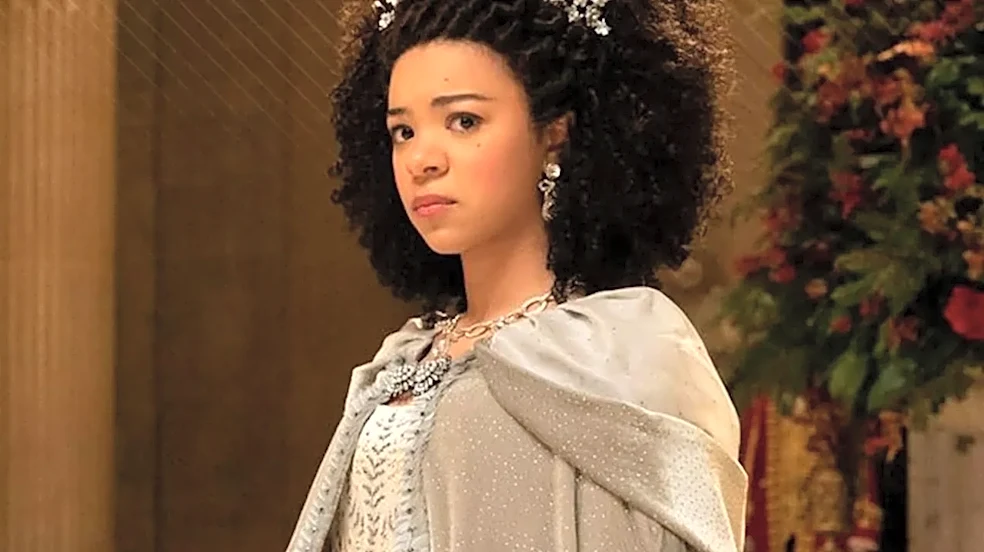
historical silhouettes but makes deliberate changes for visual impact, character development, or practical reasons. For example, a villain might wear colors that were historically unavailable or socially taboo to create a sense of unease. A heroine’s dress might be made from a modern, flowing fabric to enhance her romantic scenes, even if a woman of her era would have worn stiffer material. Practical cheats are also common, like using zippers instead of period-correct (and time-consuming) hooks and eyes. Shows like 'Bridgerton' or 'The Great' take this approach, using the general shapes of an era but exaggerating colors, tweaking necklines, and using modern textiles to create a lush, fantastical version of history that's compelling to a modern audience. The goal is to capture a mood and define a character, not to create a museum-quality artifact.
Historically Informed Fashion: A Forensic Pursuit
Historically informed fashion—also known as historical reproduction or living history clothing—has a completely different purpose. Its goal is scholarship and authenticity. Practitioners are less like artists and more like forensic scientists, aiming to recreate a garment as exactly as possible. This process involves intense research. They study surviving garments in museum archives, analyze portraits and photographs, and consult period-specific pattern books and diaries to understand not just what clothes looked like, but how they were made. The commitment extends to materials and methods. A serious reproduction of an 18th-century gown would be made from natural fibers like silk or linen, not polyester. It would be sewn by hand using period-appropriate stitches, and its structure would rely on the correct underpinnings, like stays or panniers, to create the proper silhouette. This is the world of museum exhibitors, dedicated historical reenactors, and academic researchers. For them, the clothing isn't a costume; it's a piece of experimental archaeology that helps answer questions about how people in the past lived, moved, and experienced the world.
Audience vs. Accuracy: The Core Divide
The fundamental difference boils down to purpose. A period costume is for an audience. A costume designer for a film like 'Braveheart' might know that kilts weren't worn in 13th-century Scotland, but they use them anyway because the garment has become a powerful visual shorthand for 'Scottish warrior' in the popular imagination. Similarly, the off-the-shoulder gowns in 'The Tudors' are historically inaccurate—a 16th-century noblewoman would always wear a chemise underneath—but they create a more modern and sensual look for the characters. Conversely, historically informed fashion prioritizes the integrity of the object itself. The maker isn't trying to please a modern audience; they are trying to be faithful to the historical record. They might find that an authentic garment is less flattering by modern standards or that the colors are more muted than we see on screen, but that accuracy is precisely the point. One is an act of interpretation for entertainment; the other is an act of preservation for education.
Why Both Approaches Have Value
It’s tempting to label one approach 'right' and the other 'wrong,' but that misses the point. Period costumes and historically informed fashion simply have different jobs. A visually stunning, if inaccurate, series like 'Bridgerton' can serve as a gateway, sparking a viewer's interest in the Regency era. The creative liberties taken by a costume designer can highlight character traits, making a story more accessible. For example, the bold, citrus-hued dresses of the Featherington family immediately signal to the audience that they are new money and trying too hard. On the other hand, a meticulously recreated garment in a museum display or worn by a living historian offers an invaluable, tangible connection to the past. It teaches us about lost textile production methods, the physical constraints people lived with, and the subtle social codes embedded in clothing. One is a fantasy inspired by history, while the other is an attempt to live it. Both enrich our understanding, just from opposite directions.