




The Tunnel Has Become the New Runway
For years, the walk from the team bus to the locker room was a non-event. Now, it’s a spectacle. Dubbed the “tunnel walk,” this pre-game ritual has transformed into a high-fashion runway where players showcase their individual style. At the 2026 All-Star
Weekend, stars didn't just show up; they made statements. We saw everything from custom designer pieces to avant-garde streetwear, with each outfit meticulously planned and executed. This isn't just about looking good; it's a platform for self-expression in a league that has long championed individuality. As fashion outlets like Vogue and Essence now regularly cover these arrivals, it’s clear the tunnel is officially a fashion destination, turning player entrances into must-see moments for fans who care as much about a Louis Vuitton bag as a box score.
Player Empowerment and the Personal Brand
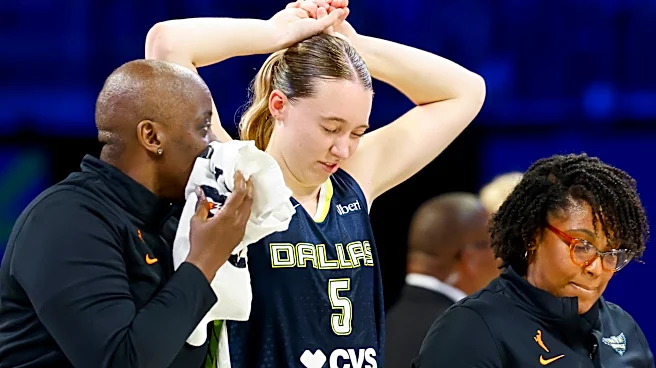
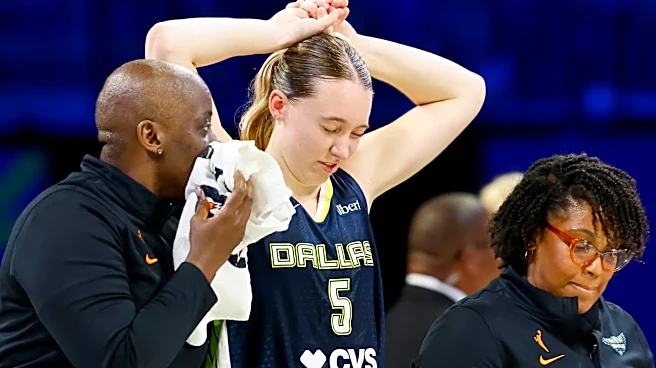
The fashion-forward shift is deeply connected to a broader trend in professional sports: the rise of the athlete as a multi-faceted brand. Players are no longer just employees of a team; they are CEOs of their own enterprises. Style has become a powerful tool for communicating personality and building a following that extends far beyond the court. Athletes like A'ja Wilson, Angel Reese, and Paige Bueckers have become bona fide style icons, leveraging their platforms to sign lucrative endorsement deals with fashion and beauty brands. Reese, who has collaborated with brands like Fashion Nova and Revolve, has called it dressing "how you want to be addressed." This new generation of players understands that a distinctive look can be as valuable as a signature move, helping them connect with a younger, more diverse audience and increase their earning potential.
The Business of Looking Good
Behind every standout tunnel look is a growing industry of stylists, designers, and brands eager to align themselves with the WNBA's rising stars. Stylists like Amadi Brooks and Sydney Bordonaro work with top players to craft narratives through clothing, securing custom pieces from major designers. Luxury brands, in turn, are recognizing the immense marketing power of these athletes. Coach is now the official handbag partner of the WNBA, dressing top draft picks and sponsoring the orange carpet. Skims, Glossier, and Mielle have also inked major partnerships with the league. This symbiotic relationship is a win-win: players gain access to high-fashion wardrobes and lucrative deals, while brands tap into an authentic, influential, and rapidly growing market. Even a mention of a player wearing a specific brand can send a clear signal to the market.
More Than a Game, It's a Cultural Movement
Ultimately, the explosion of fashion at the WNBA All-Star Weekend is a powerful indicator of the league's soaring cultural relevance. With viewership and attendance seeing massive gains, the WNBA is no longer a niche sports league; it's a cultural force. The focus on fashion makes the game more accessible and appealing to people who may not be die-hard basketball fans but are passionate about style, celebrity, and culture. It provides another entry point into the league, creating more storylines and personalities for fans to follow. The intersection of sports and style isn't new, but the way WNBA players are embracing it feels different—it’s a celebration of individuality, a savvy business strategy, and a visual representation of the league's arrival at the forefront of American culture. It proves that what happens off the court is becoming just as important as what happens on it.